


Grassy Lawn Weeds in Wisconsin & Minnesota (and What to Do About Them)
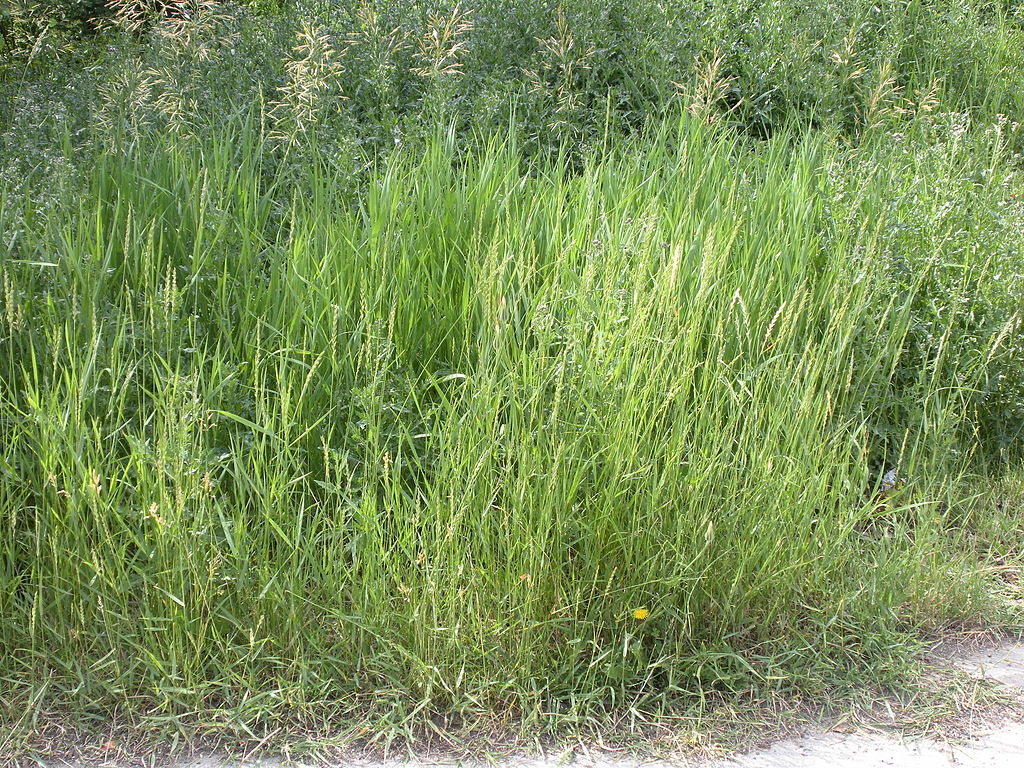
Broadleaf weeds like dandelions are easy to spot and straightforward to treat. Grassy weeds are the harder category: they look like turf, they blend in until they have taken over, and the herbicides that kill broadleaf weeds do nothing to them. Some are treatable, and some are not. Here is which is which.
A quick identification lesson
Broadleaf weeds have wide leaves with a central vein and a branching pattern, which is why dandelion and clover stand out from a distance. Selective broadleaf herbicides can kill them without harming the grass around them.
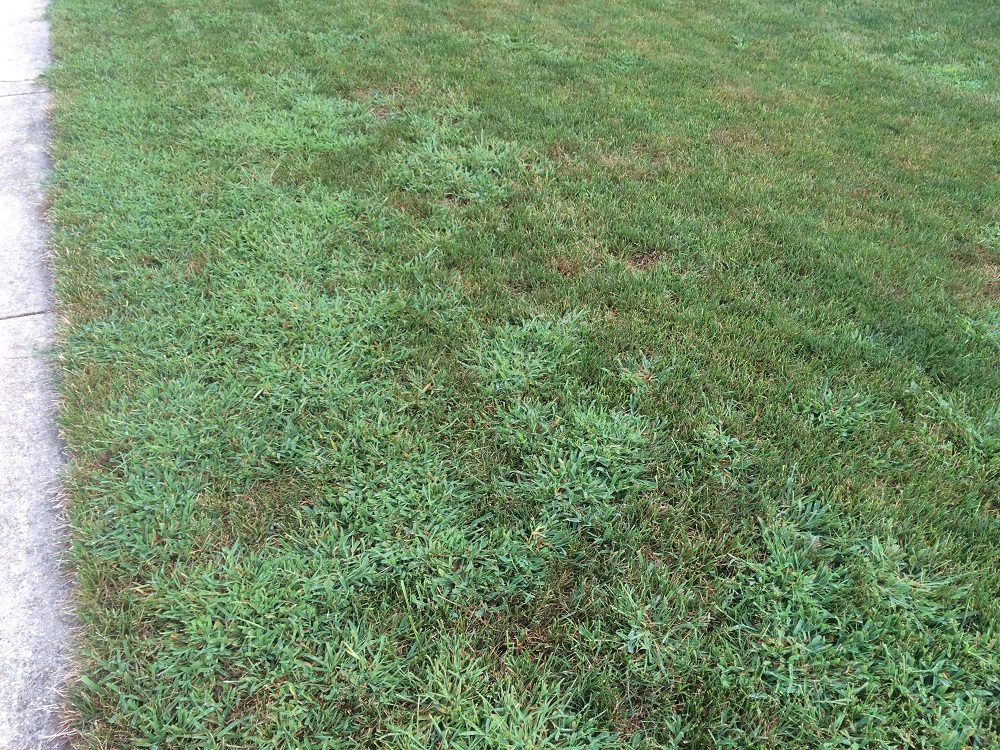
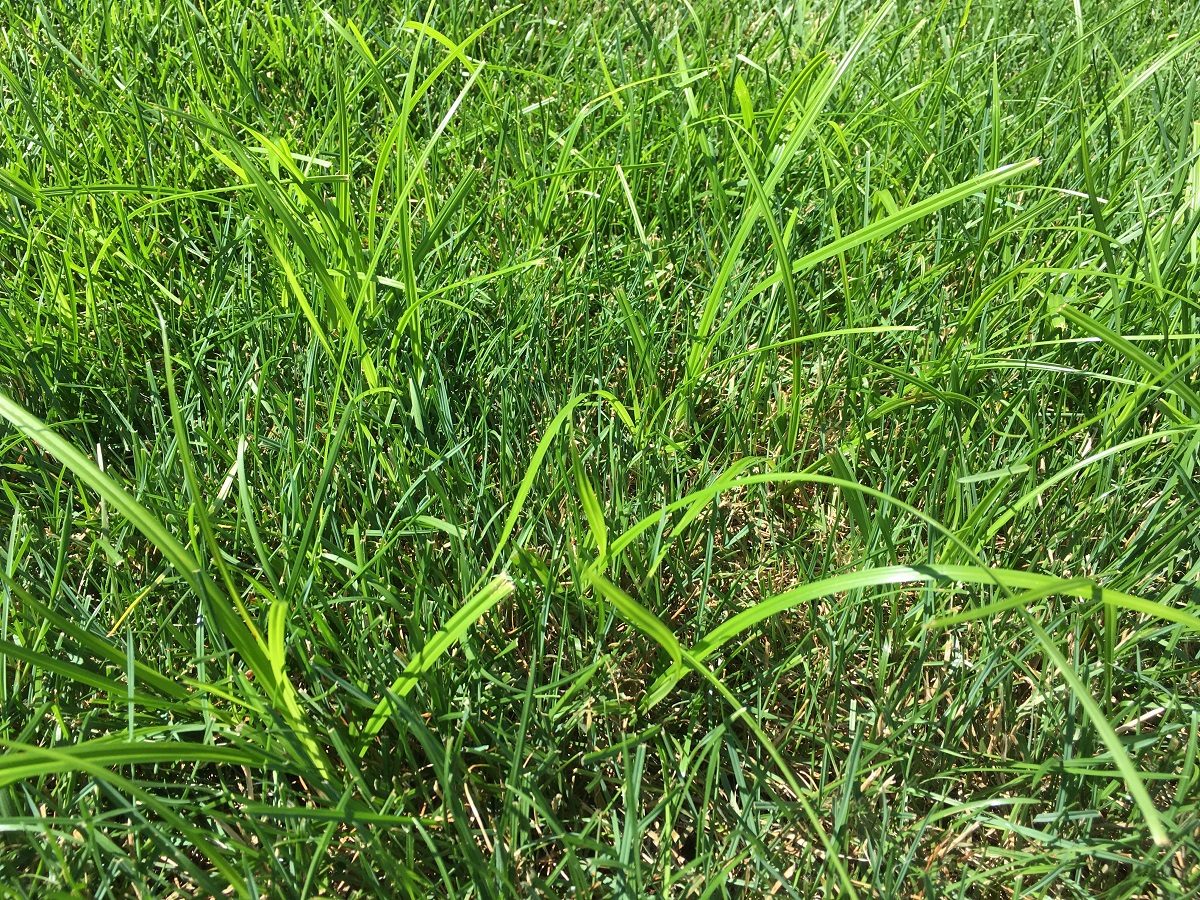
Grassy weeds are grasses. Their leaves are narrow with parallel veins, they grow from the base the way turf does, and chemistry that distinguishes them from desirable grass is limited. That is the whole problem. A product that kills a grassy weed often kills grass, which is why control depends so much more on prevention and on cultural practices.
The treatable grassy weeds
Crabgrass
Crabgrass is a warm season annual. Every plant dies with the first hard frost, and every plant you see has already produced an enormous amount of seed, often tens of thousands of seeds per plant, that overwinters in the soil waiting for spring. Break that cycle and crabgrass thins out fast. Miss a year and the seed bank refills.
Control is pre-emergent, which means putting a barrier in place before the seed germinates. Germination is driven by soil temperature rather than the calendar, and across Wisconsin and Minnesota it usually begins in April to early May and continues over several weeks, with the sandy Chippewa Valley soils warming ahead of the heavier ground under most Twin Cities lawns.
Most lawn care companies here make one pre-emergent application in spring. We make two, one in early spring and one in late spring, because a single application can lose effectiveness before the germination window closes. Two applications mean the barrier is still working for the late germinating seed.
When crabgrass gets through. Even with pre-emergent, crabgrass finds the gaps. It does best in thin areas and along pavement edges, where soil is warmer and the barrier is thinnest. Those escapes get spot treated with a post-emergent material while the plants are still young, since mature crabgrass is much harder to kill.
Yellow nutsedge
Nutsedge is less common than crabgrass and considerably harder to control. It is not actually a grass, it is a sedge, and it gives itself away by its color, which is a brighter yellow green than turf, and by growing noticeably faster than the lawn, so it stands above the canopy a few days after mowing. The stems are triangular in cross section.
Its advantage is underground. Nutsedge spreads through tubers, often called nutlets, on an underground network. A single plant can produce a great many of them, they can persist in the soil for years before sprouting, and pre-emergent herbicides do not stop them. That combination means nutsedge can be suppressed but not realistically eliminated from a lawn.
We use a specific material to suppress nutsedge and include that treatment as needed, one or two times a season, in our lawn care programs at no additional charge.
The ones that are not really treatable
Quackgrass
Quackgrass is a cold hardy perennial, which means it returns every year from its own root system rather than from seed alone. It reproduces two ways: by seed and by rhizomes, underground stems that run laterally and can extend several feet out from the parent plant, sending up new shoots along the way. Those rhizomes sit in the upper few inches of soil, which is why pulling quackgrass almost always leaves pieces behind, and every fragment can start a new plant.
There is no selective herbicide that removes quackgrass from a lawn without killing the surrounding turf. The only reliable approach is a non-selective herbicide applied to the infested area, which kills everything in it, followed by reseeding. Homeowners understandably balk at that, since it means brown patches for a few weeks. The brown patches do reseed and recover, and the quackgrass does not come back from the roots.
Like crabgrass, quackgrass takes hold where turf is weak, so a thick lawn is the best defense.
Annual bluegrass, or Poa annua
Poa annua is one of the most common grassy weeds anywhere. It germinates in late summer or early fall, grows through fall, overwinters, and flowers heavily the following spring, producing seed heads that give the lawn a whitish cast. It is a lighter green than most turf and tends to form patches that go off color and die back in summer heat, leaving thin spots.
The realistic option in an established lawn is the same as quackgrass: treat the infested areas with a non-selective herbicide while the plants are actively growing, then renovate with seed. And know that it may return, because the seed bank in the soil is substantial and long lived.
The good news: grassy weeds hate healthy lawns
Every weed in this article needs the same thing to establish: bare soil, warm soil, and light reaching that soil. A thick lawn denies all three. That makes the cultural practices below more effective over time than any herbicide.
Mow high. Finish mowing at about three to three and a half inches. Taller grass thickens the canopy, shades the soil, and keeps soil temperatures down, which directly suppresses crabgrass germination. Mowing short is the fastest way to create a crabgrass seedbed.
Water correctly. A lawn that is chronically too wet or too dry thins out and opens the door. Deep, infrequent watering totaling about an inch a week, finishing near sunrise, keeps turf dense. A properly designed irrigation system makes that easy, and hoses and timers will do it with more of your attention.
Use quality products. Materials differ more than packaging suggests, and cheap grass seed can contain grassy weed seed, which means planting the problem you are trying to solve. Read the seed label for weed seed percentage.
Plan ahead. Crabgrass pre-emergent has one window. Nutsedge suppression has to be timed to active growth. A proactive program exists so those windows are not missed, because none of these materials work applied late.
Bottom line
- Grassy weeds look like turf and are not controlled by broadleaf herbicides, so prevention and dense turf matter more than spraying.
- Crabgrass is an annual controlled with pre-emergent before germination, which starts with soil temperature in April to early May. We apply twice, early and late spring.
- Yellow nutsedge spreads by underground tubers that pre-emergent does not stop. It can be suppressed, not eliminated, and we include that treatment at no extra charge.
- Quackgrass and Poa annua have no selective control in a lawn. The realistic fix is non-selective treatment of the area followed by reseeding.
- Mowing at three to three and a half inches and watering deeply and infrequently suppress grassy weeds by denying them warm bare soil.
Frequently asked questions
Why does broadleaf weed killer not kill crabgrass or quackgrass?
Because those weeds are grasses. Selective broadleaf herbicides work on the difference between broadleaf plants and grasses, and a grassy weed is on the same side of that line as your lawn.
When should crabgrass pre-emergent be applied in Wisconsin or Minnesota?
Before germination, which is driven by soil temperature and typically begins in April to early May here. A second application in late spring keeps the barrier working through the end of the germination window.
Can nutsedge be eliminated from a lawn?
Realistically, no. It spreads by underground tubers that can persist in the soil for years and are not affected by pre-emergent herbicides. It can be suppressed with targeted treatment one or two times a season.
How do I get rid of quackgrass without killing my lawn?
There is no selective product that does it. Quackgrass spreads by rhizomes in the upper few inches of soil, and pulling it leaves fragments that regrow. The dependable route is non-selective treatment of the patch, then reseeding.
University of Wisconsin Division of Extension, Crabgrass Management in Lawns.
University of Minnesota Extension, Seeding and Sodding Home Lawns.


