


Essential Info When Hiring a Snow Removal Service for Your Commercial Property in Eau Claire, WI

Hiring commercial snow removal is a risk management decision as much as a maintenance one. A slip-and-fall claim on your property turns on whether you can document what was done and when, and most of the difference between contractors shows up in planning and record keeping rather than in the plow truck. Here is what to ask about before you sign.
Will they help reduce your liability?
If someone falls on your property, the exposure is real: legal costs, medical costs, potential insurance rate increases, and workers' compensation if the person who fell is an employee. The question that decides most of these cases is whether you can demonstrate that reasonable precautions were taken.
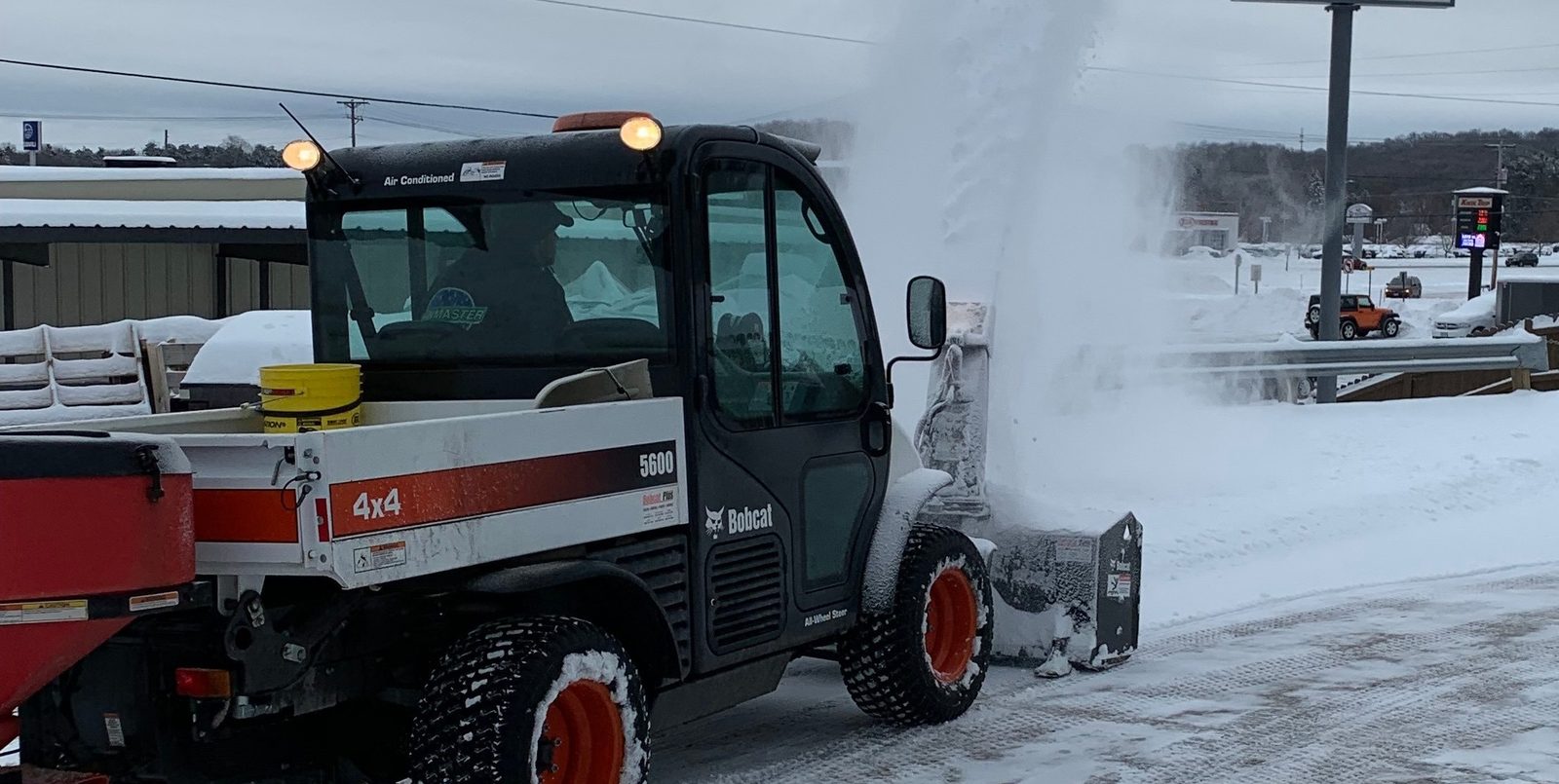
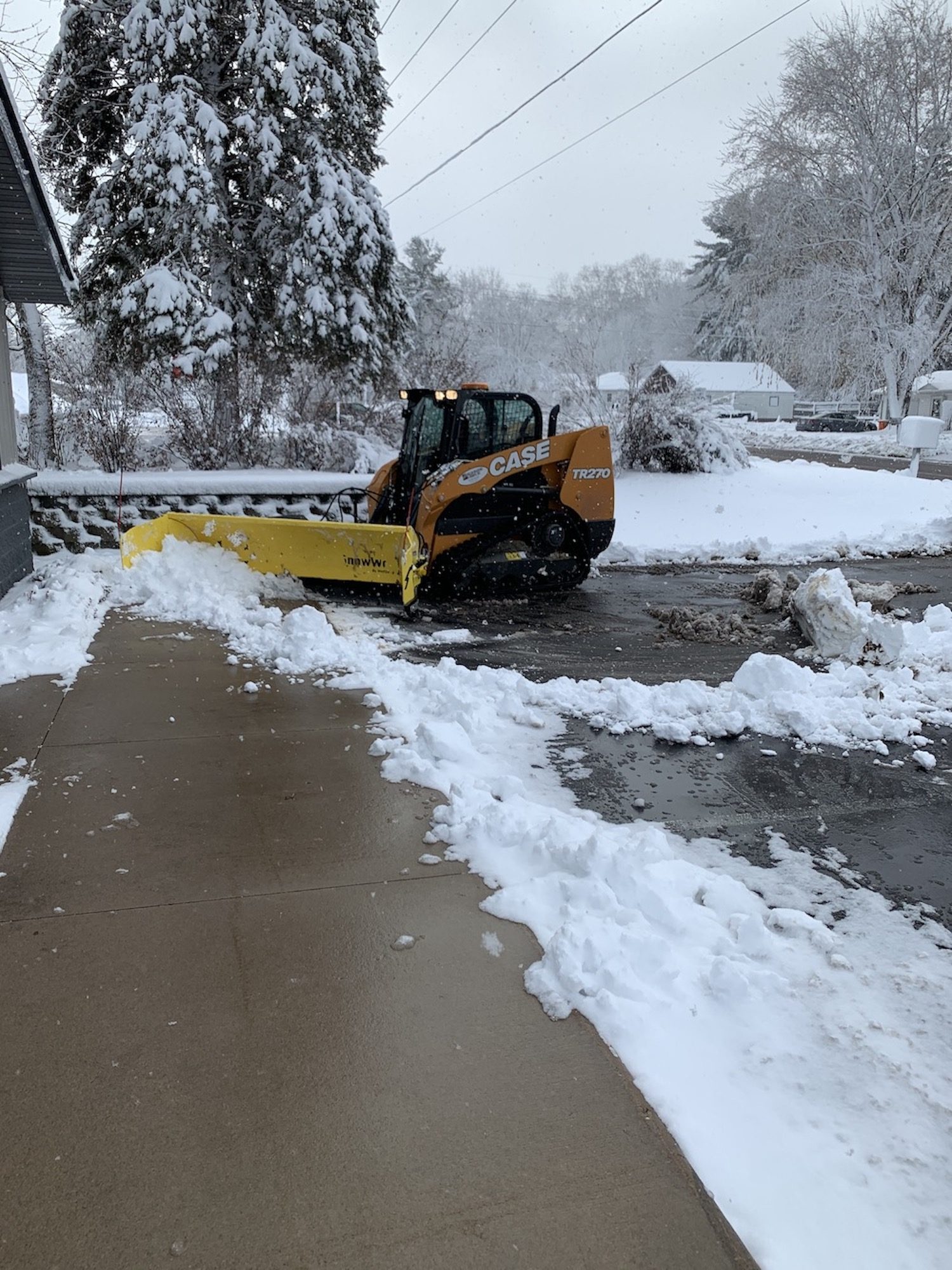
That demonstration depends on records. Ask any contractor what they document and whether you can get it. At RainMaster our crews clock in and out on their phones, so there is a time-stamped record that they were on site. GPS tracking shows when the equipment arrived and where it worked. Service records, weather conditions for that day, and what was applied all stay in our system, so the documentation exists if you ever need it.
A contractor who cannot tell you what they log, or who keeps it on paper in a truck, is leaving you without the one thing that matters after an incident.
Are they reliable through a hard winter?
The test of a snow contractor is not an average winter. It is the one with back-to-back storms where equipment breaks and labor gets stretched. Contractors who underpriced the season sometimes simply stop answering the phone in February, because every additional push loses them money.
Ask how long they have been doing commercial work, how many properties they carry, what their equipment backup looks like, and who you reach at 4 a.m. A company that has operated through many Wisconsin winters has already survived the seasons that put others out of business. RainMaster has been in business since 1999.
Do they have an actual plan for your site?
Good snow and ice management is planning work done in the fall, not improvisation during a storm. The contractor should be asking you at least as many questions as you ask them:
- Which areas are highest priority? Entrances, loading docks, ADA parking, and emergency egress usually come before the back of the lot.
- Where should snow be stacked? Piles have to go somewhere that does not block sightlines, consume parking you need, or melt back across a walkway and refreeze.
- Where are the storm drains? Burying a drain under a snow pile creates a flood when it thaws.
- Curb to curb, or travel lanes only? That difference changes the price substantially, and you should be the one deciding it.
- What are your hours and occupancy patterns? A lot full of cars at 7 a.m. is cleared differently than one that empties at 5 p.m.
A contractor who skips these questions does not know your expectations and cannot have priced the work accurately. At RainMaster we walk the property with you, and after the proposal is accepted we build a written snow response plan with a property map so your facility manager already knows the sequence before the first storm instead of calling in a panic.
What do they put down, and do they care what it does?
Deicing material choice matters for the environment and for your own concrete and landscaping. Chloride that runs off in meltwater reaches lakes and streams and does not break down, and it accumulates year over year. Excess salt also burns turf and plantings along pavement edges.
Two things make a practical difference:
Treated salt. Plain rock salt loses effectiveness as temperatures drop and becomes largely useless below roughly 15 degrees Fahrenheit. The treated salt we use stays effective at much lower temperatures, down to around -20 degrees, and it is less corrosive. That means fewer repeat applications on a cold night.
Brine. Brine is a salt and water solution sprayed on pavement, usually ahead of a storm, so snow and ice do not bond to the surface. It uses about a quarter of the salt that dry rock salt application requires for the same area: one truckload of brine covers what four truckloads of salt would. Because it is already in solution, it starts working on contact instead of waiting to dissolve, and it does not blow off the pavement or get tracked into the building on boots the way dry salt does. Pretreating is the difference between being proactive on your property and reacting after ice has already formed.
Will they work around your property's specifics?
Every commercial site is different. Some close weekends and do not need Saturday service. Some run shifts around the clock and can never have the whole lot cleared at once. Some have medical or retail traffic that makes walkways the first priority. The contract should reflect how your property actually operates, not a standard route.
Do they hand shovel?
Plows cannot safely clear entrances, sidewalks, steps, and stair landings, and those are exactly the surfaces where falls happen. Hand work is the part some contractors quietly leave out of a bid to come in lower. Confirm it is included and specified. RainMaster hand shovels.
Is the pricing clear and verifiable?
Comparing snow bids is difficult because the pricing models differ: per season, per push, per event, or by snowfall depth. You cannot compare two numbers built on different structures.
Our approach is to price from Wisconsin snowfall history. We use years of snow data to project a seasonal range, then quote what it will cost to service your property across that range. If the season comes in lighter, we refund a portion. If it comes in heavier, the additional inches are billed at a per-inch rate you know in advance. Snow totals are certified by a third-party weather service rather than by us, so the measurement is not in dispute.
Whatever structure a contractor uses, ask three things: what triggers a service visit, what happens in a season well above or below normal, and who measures the snow.
Then you can stop thinking about it
The point of a commercial contract is that the plan is already in place and crews are on call around the clock, so a storm is not a decision you have to make at 2 a.m. See snow removal for what we cover, or call 888-839-8484 to walk the property.
Bottom line
- Ask what the contractor documents. Time-stamped crew records, GPS tracking, and retained service and weather logs are what support you after a slip-and-fall claim.
- A real contractor asks about priority areas, snow stacking locations, storm drains, scope, and your occupancy hours before quoting.
- Treated salt stays effective near -20 F where plain rock salt quits below about 15 F; brine pretreatment uses roughly a quarter of the salt for the same area.
- Confirm hand shoveling of entrances, walks, and steps is in the scope. That is where falls happen and where bids get trimmed.
- Pricing models are not comparable. Ask what triggers a visit, what happens in a heavy or light season, and who certifies snow totals.
Frequently asked questions
What should a commercial snow removal contract include?
Priority areas and service sequence, snow stacking locations, drain locations to keep clear, scope of plowing, hand shoveling of walks and steps, deicing materials and triggers, response times, and how pricing works in a heavier or lighter than normal season.
How does a snow contractor help limit my liability?
By documenting the work. Time-stamped arrival and departure records, GPS data, logged weather conditions, and retained service history let you show what was done and when, which is what a premises liability claim turns on.
Why use brine instead of rock salt?
Brine is applied before a storm so snow and ice cannot bond to pavement, it works on contact because it is already in solution, and it uses about a quarter of the salt dry application needs. That means less chloride reaching lakes and streams and less tracked indoors.
How is commercial snow removal priced?
It varies by contractor: per season, per push, per event, or by snowfall depth. RainMaster projects a seasonal range from Wisconsin snowfall history, refunds a portion in a lighter season, and bills additional inches at a rate agreed up front, with totals certified by a third-party weather service.
Wisconsin Department of Natural Resources, Chloride and winter salt use guidance.
Wisconsin Department of Transportation, 511 Wisconsin winter road conditions.


