


Eau Claire, WI Lawn Care & Irrigation Maintenance Case Study
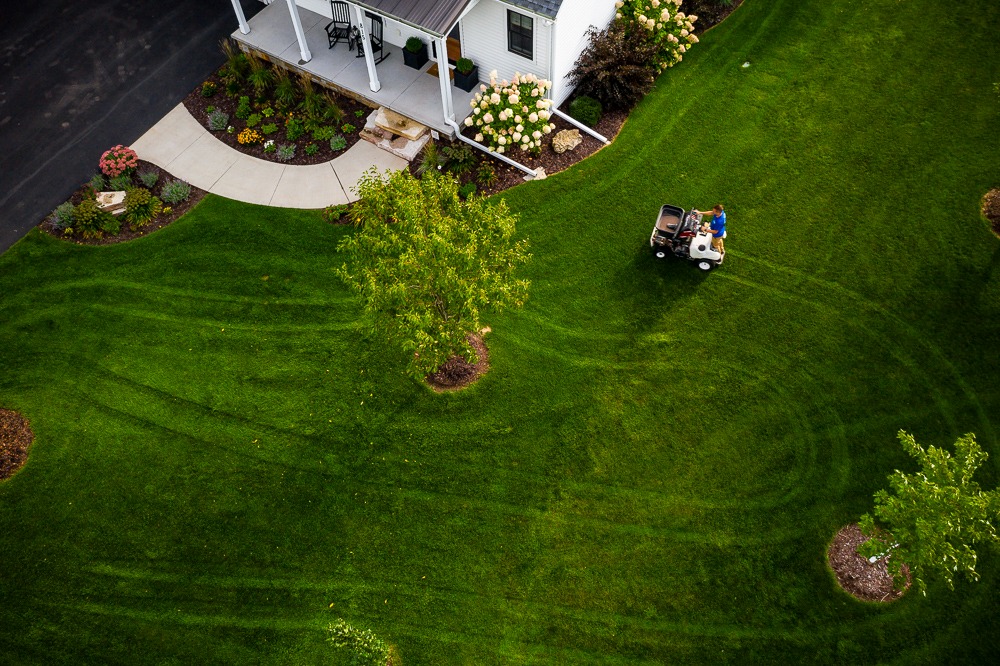
Steve has a big lawn in Eau Claire, all of it in full sun, and he keeps it green and nearly weed free without doing the work himself. The combination is an irrigation maintenance program that bookends the season and a lawn care program that handles the rest, plus a homeowner who follows the watering recommendations he is given.
Irrigation service in Eau Claire: the Efficient Essentials program
Steve signed up for RainMaster's Efficient Essentials irrigation maintenance program, which means he gets activation in the spring and winterization in the fall. Those two visits are not just an on and off switch. Technicians check the system over while they are there to make sure everything is working properly: running each zone, watching coverage, checking the backflow device, and looking for wear before it becomes a failure.
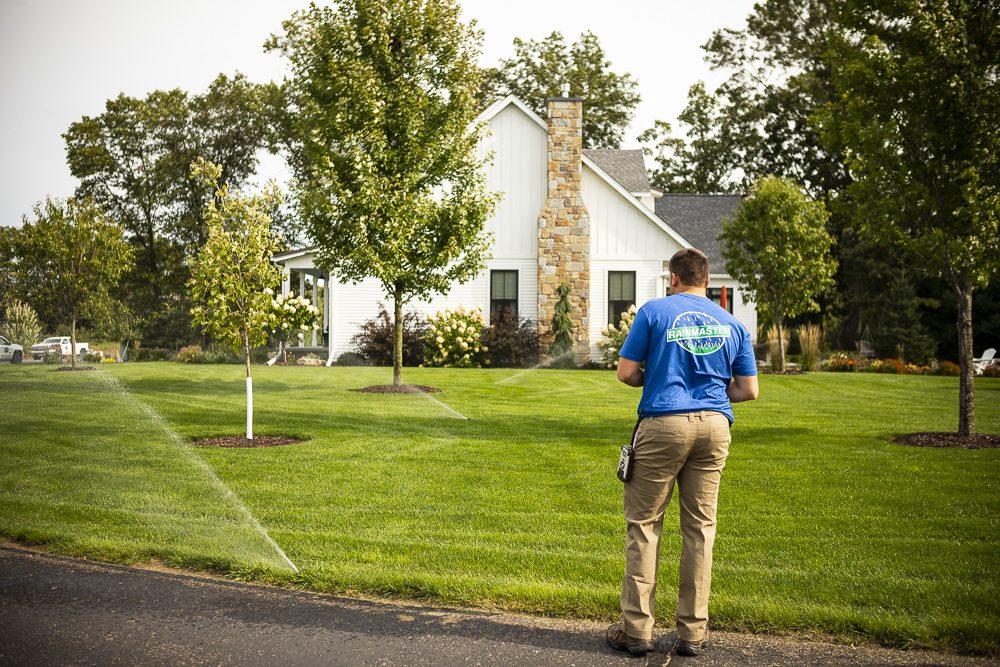
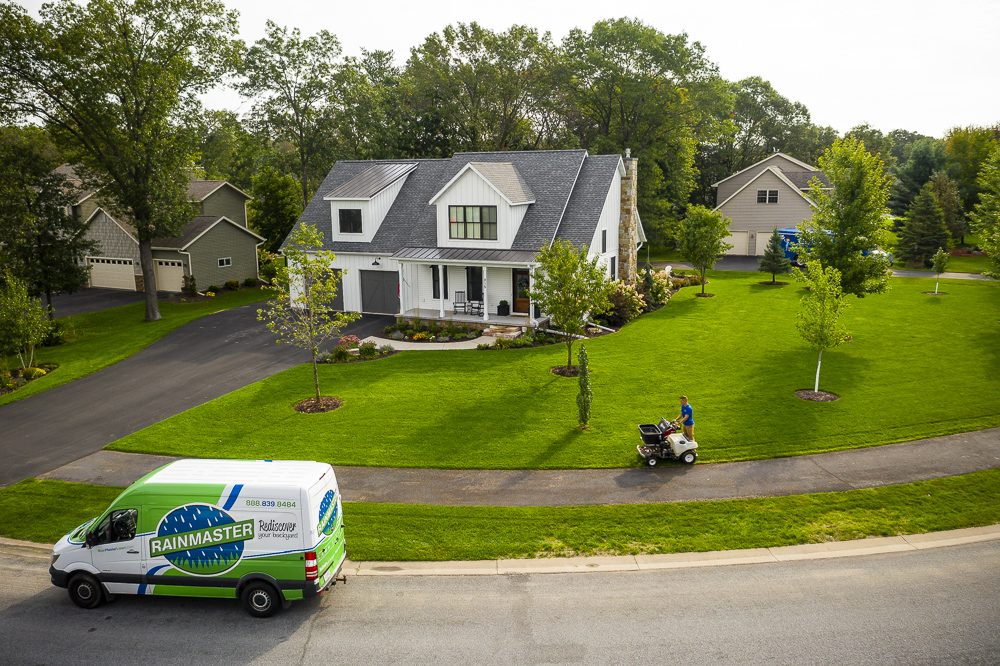
Over the years, technicians have replaced several irrigation nozzles on Steve's property, especially in the lawn close to the street. Nozzles wear out over time, and sometimes snow plows damage them. That is a predictable pattern on any property in this climate. Heads near the curb are the ones that get hit by plow blades, buried in salted snow piles, and clipped by mower wheels, so the row along the road is the first place a technician looks at spring startup.
Other than normal repairs, the Eau Claire irrigation service here goes smoothly, says Michael Hannula, a RainMaster irrigation technician who helps handle Steve's irrigation. It helps that Steve follows RainMaster recommendations for watering.
"It's a nice big lawn and a healthy lawn," Hannula says. "It's a huge plus when the homeowner is a seasoned vet and knows the proper time for watering."
Why the watering habits matter as much as the equipment
A correctly installed system still waters wrong if the schedule is wrong. The guidance that works for cool-season turf in the Chippewa Valley is consistent: roughly an inch of water per week including rainfall, delivered in a couple of long cycles instead of a short run every day, early in the morning so the canopy dries during the day. Deep, infrequent cycles push roots down, which is what carries a lawn through a dry August. Short daily cycles keep roots shallow and leave the leaf wet overnight, which is how disease starts.
Lawn care on a large, full-sun property
There is a lot of lawn on Steve's property to keep green, healthy, and as weed free as possible. All of it is in full sun, which is an extra challenge for lawn care. Hot, sunny lawns need more irrigation, especially during periods of drought, and weeds love sun, so weed control is ongoing.
Full sun changes the whole maintenance picture:
- Higher water demand. Exposed turf loses more to evaporation and transpiration than shaded turf, so coverage gaps show up as brown spots faster.
- More weed pressure. Crabgrass germinates in warm, sunny soil and moves into any thin area. Pre-emergent timing in spring and consistent feeding to keep the stand dense are what hold it back.
- Heat stress in midsummer. Cool-season grasses slow down when soil temperatures climb. Mowing high, three to three and a half inches, shades the soil and keeps roots cooler.
The hardest strip on the property
The toughest spot is that hot, sunny strip of lawn between the road and the sidewalk, where heat reflects off the street and sidewalk and roasts the area. Salt sprays it in the winter. That combination, reflected heat in summer and plow salt in winter, is why the strip along the street is the last place to green up and the first to thin out on most properties. It needs its own attention: good coverage from the nearest heads, which are also the ones most likely to be plow damaged, and repair seeding in fall once the salt has leached out.
Worth the investment
It is worth the extra effort to keep your lawn healthy, Buck says.
"A great lawn impacts your curb appeal and your resale value," Buck says. "When a lawn looks cared for, you take real pride in it."
The practical argument is maintenance cost. The two irrigation visits a year are what prevent the expensive failures. A system that is not blown out in the fall gives you split lateral lines, cracked valve bodies, and a ruptured backflow preventer in the spring, and the backflow replacement alone costs more than years of winterization. A nozzle caught at spring startup costs a part. The same nozzle missed means a dry section of lawn in July that then needs seed in September.
What this looks like for your property
Steve's setup is not complicated, and that is the point. Spring activation and fall winterization on the irrigation system, a lawn care program handling fertilization and weed control through the season, and watering habits that match what the grass actually needs. The visits are scheduled so nobody has to remember them.
Be like Steve and take pride in your lawn, not just for yourself, but for others who pass by every day. If you want a healthy green lawn without the work of maintaining it, request a quote or call 888-839-8484 and we will review your options together.
Bottom line
- Spring activation and fall winterization are the two visits that keep an irrigation system from failing expensively.
- Heads and nozzles near the street wear out and get plow damaged, so that row gets checked first every spring.
- Full-sun lawns need more water and more weed control; mow high and keep the stand dense to hold off crabgrass.
- The strip between road and sidewalk takes reflected heat in summer and salt in winter, and needs its own attention.
- Homeowner watering habits matter as much as the equipment: about an inch per week, in long early-morning cycles.
Frequently asked questions
What is included in an irrigation maintenance program?
At the basic level, spring activation and fall winterization, with a system check at each visit. Technicians run every zone, look at coverage, check the backflow device, and flag worn or damaged nozzles and heads.
How often should I water a full-sun lawn in Eau Claire?
Target about an inch per week including rainfall, split into a couple of longer cycles run early in the morning rather than a short cycle every day. Adjust during drought and skip cycles after significant rain.
Why do sprinkler heads near the street fail most often?
They take the most abuse: snow plow blades, salted snow piles, mower wheels, and foot traffic. On most properties the curbside row is where technicians find the majority of damaged nozzles at spring startup.
Can RainMaster handle both lawn care and irrigation on the same property?
Yes. Running both means the watering schedule and the fertilization and weed control program are built around each other instead of working against each other. Call 888-839-8484 to go over it.


