


Are Earthworm Castings Causing Your Bumpy Lawn? Are They Good or Bad?

If your lawn has gone lumpy and you keep finding quarter-sized piles of soil across it, you are looking at earthworm castings. They are a sign of biologically active soil, which is good, and they are genuinely annoying to mow over, which is the problem. Here is how to manage the bumps without wrecking the thing causing them.
What earthworm castings are
Earthworms eat their way through soil, organic matter, and microorganisms, and what passes through comes out as castings. On the surface, castings look like small piles of granular soil, often about the size of a quarter. One or two are nothing. A heavy worm population produces thousands of them, and that is when the lawn starts to feel lumpy underfoot and the mower starts scalping high spots.
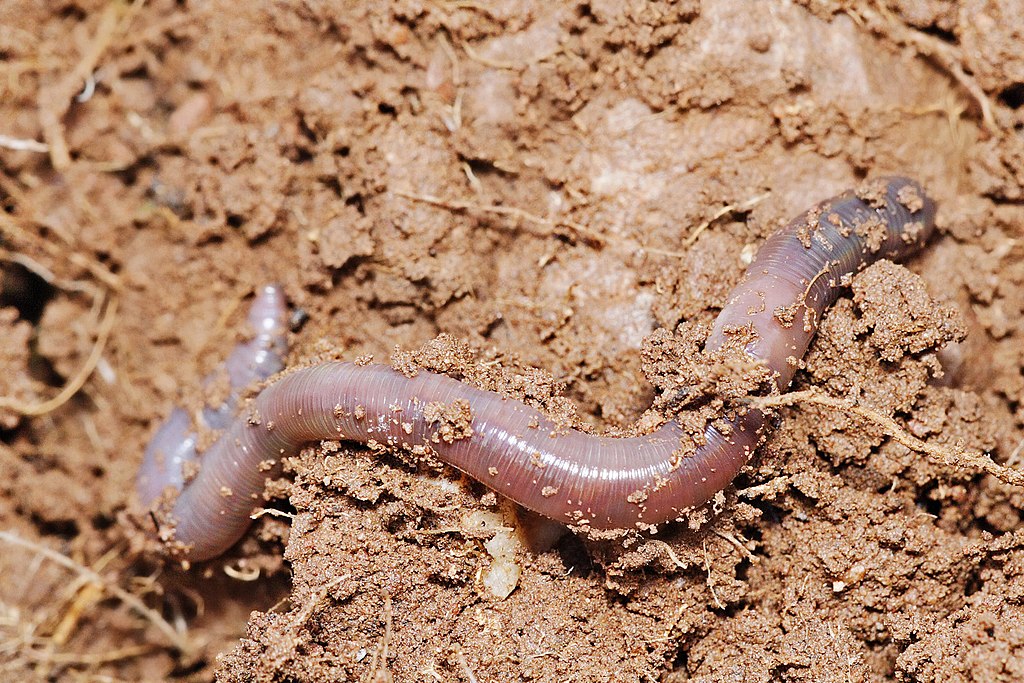
Casting activity is heaviest in spring and fall, when soil is cool and moist and worms are working near the surface. Midsummer heat and drought drive them deeper, which is why the lumps often seem to resolve on their own in July and come back in September.
Why earthworms are good for your lawn
Before you go looking for a way to kill them, understand what you would be giving up.
- Castings are a slow-release fertilizer. They are nutrient dense, and the structure of a casting releases those nutrients into the soil gradually rather than all at once.
- Worm burrows are natural aeration. They create continuous channels that move air, water, and nutrients down into the profile and give roots a path to follow deeper. Deeper roots mean a lawn that handles heat and drought better.
- Earthworms break down thatch. This is the one most people have backwards. Worms consume the dead organic matter that accumulates between the soil surface and the green blades. A lawn with an active worm population generally has less thatch problem, not more.
- They feed the soil when they die. Worm bodies decompose quickly and return nitrogen to the root zone.
In short, a lawn with lots of worms has soil that is working. The castings are a cosmetic side effect of something you want.
The downsides, honestly
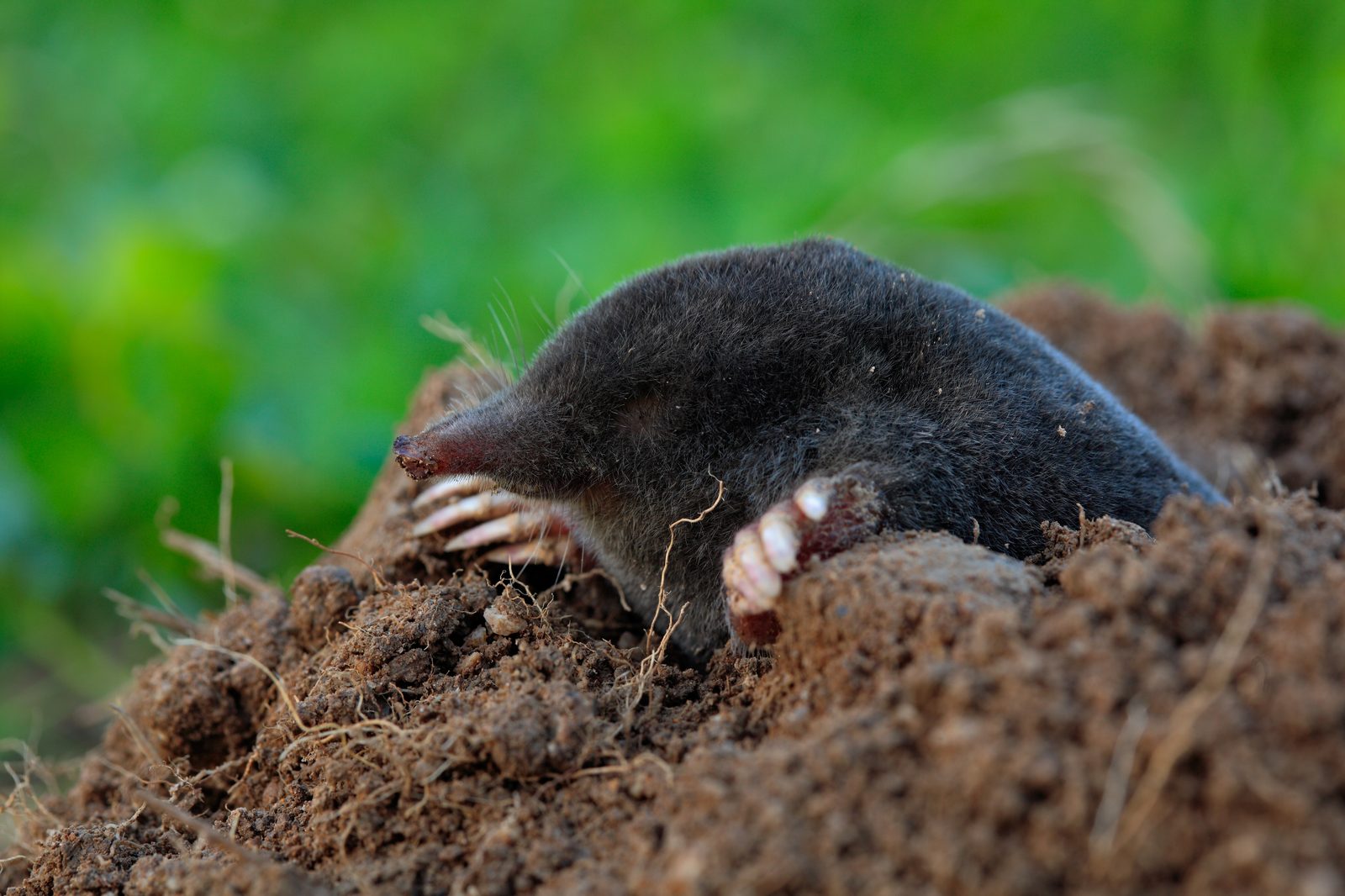
Heavy casting activity makes a lawn bumpy and uneven, which makes mowing awkward and can cause the mower to scalp the tops of the mounds. Castings smeared across the lawn by mower tires look messy on a damp spring morning. And a dense worm population is a food source that attracts moles, since earthworms are the staple of a mole's diet in this region. If you are suddenly dealing with mole tunnels, a heavy worm population is part of the explanation.
Worth a quick note for Wisconsin homeowners: not all earthworms here are equal. Invasive jumping worms have spread through parts of Wisconsin and Minnesota, and they behave differently from common nightcrawlers. They strip the organic layer and leave a loose, granular soil that looks like coffee grounds. If your soil surface has that texture and the worms thrash violently when handled, that is worth identifying properly, because the management conversation is a different one.
What to do about the bumps
Do not try to kill the worms. There is no good product for it, it would be counterproductive for your soil, and the lumps will come back as soon as worms recolonize. Manage the symptom instead.
- Mow high. Three to four inches of grass hides castings and keeps the mower from scalping mounds. Mowing tall is better for the lawn anyway: taller grass grows thicker, roots deeper, and shades out weeds. Never remove more than a third of the blade in one cut.
- Topdress to even things out. A thin layer of sand and compost blend spread across the lawn fills between mounds and smooths the surface. Done after core aeration, it also improves the soil profile over time. Thin and repeated beats one heavy application.
- Drag or sweep rather than roll. A drag mat, the back of a rake, or a stiff broom on a dry day breaks castings apart and spreads them as free fertilizer. Do not try to flatten a lumpy lawn with a heavy roller. Rolling compacts the soil, which causes worse problems than the bumps you are trying to fix.
- Do not overwater. Constantly wet surface soil brings worms up and keeps them there. Deep, infrequent watering, about an inch a week in one or two early morning cycles, pushes worm activity down and roots down with it.
- Rake castings into the beds. If you are collecting them anyway, they are excellent garden fertilizer.
The irrigation connection
Overwatering is the single lever most homeowners have on casting activity, and it is almost always a controller setting rather than a hardware problem. A system running fifteen minutes every morning keeps the top inch of soil permanently damp. The same total water delivered in two longer cycles a week dries the surface between runs. If you are not sure what your sprinkler system is actually putting down, that is the first thing worth measuring.
When to call it in
Lumpy turf, moles, thatch, drainage, and disease all tangle together, and the right first move depends on which one is actually driving the others. A lawn care program that includes annual core aeration, balanced nutrition, and a technician who is reading the whole lawn on every visit sorts that out faster than treating each symptom separately.
Bottom line
- Castings are quarter-sized piles of soil passed through earthworms, heaviest in cool, moist spring and fall conditions.
- Earthworms improve soil structure, move nutrients, aerate naturally, and break thatch down. Do not try to kill them.
- Mow at three to four inches so taller grass hides the mounds and the mower stops scalping them.
- Topdress with a thin sand and compost blend after aeration. Drag or sweep castings out instead of rolling the lawn.
- Overwatering brings worms to the surface. Deep, infrequent early morning cycles reduce casting activity.
Frequently asked questions
Should I get rid of earthworms in my lawn?
No. They aerate soil, cycle nutrients, and break down thatch, and there is no sound way to remove them without harming soil health. Manage the lumpy surface with mowing height, topdressing, and watering instead.
Will rolling my lawn flatten the bumps?
It flattens them briefly and compacts the soil permanently, which causes drainage and rooting problems worse than the bumps. Topdress and drag instead.
Do earthworm castings attract moles?
Yes, indirectly. Earthworms are the main food source for moles in Wisconsin and Minnesota, so a heavy worm population makes a yard attractive to them. Pocket gophers are a different story, since they eat roots and plant material rather than worms.
Why is my lawn lumpy in spring and fine in summer?
Worms work near the surface when soil is cool and moist, which is spring and fall here. Summer heat and drier soil drive them deeper, so the casting activity slows down and then returns in September.
University of Wisconsin Extension, Earthworms.
University of Wisconsin Extension, Jumping worm.


