


Does Your Sprinkler System Need a Tune-up? 8 Signs to Look Out For
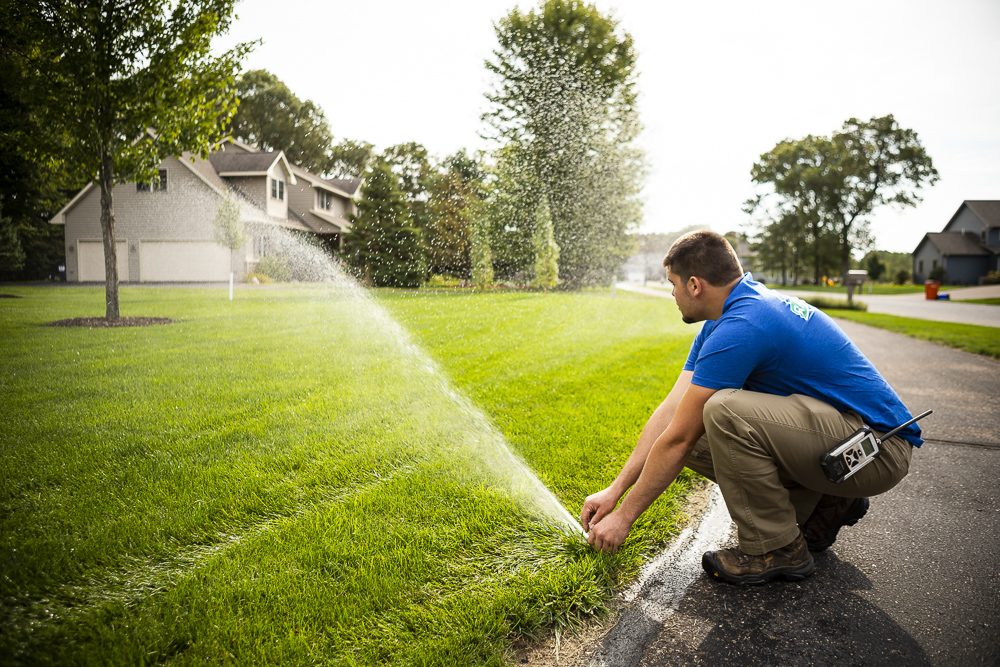
An irrigation system rarely fails all at once. It drifts, one clogged nozzle and one knocked-out arc at a time, and the first thing you notice is usually the lawn rather than the sprinklers. Here are the eight signs that mean it is time for a tune-up.
1. Sputtering sprinkler heads
A head that coughs and spits instead of spraying evenly is usually clogged or damaged. Grit works its way into nozzles, and a head that has been clipped by a mower or frozen over winter will never throw a clean pattern again. Cleaning or replacing the head is a small job that restores the coverage that zone was designed to deliver.

2. Uneven wet and dry spots
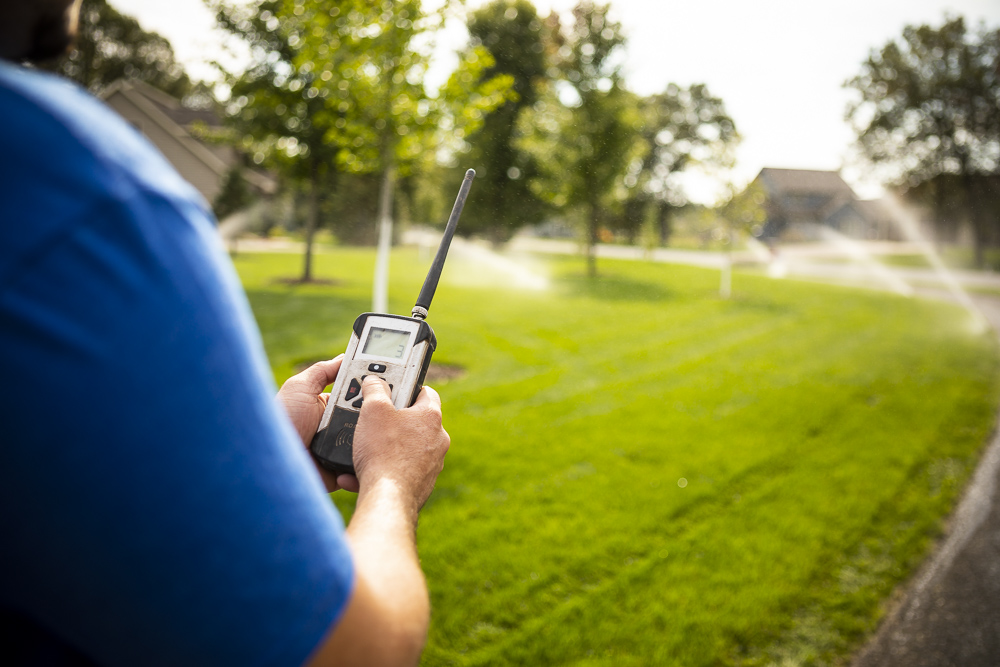
When a system is working the way it should, the lawn gets watered evenly. Soggy patches next to dry ones mean coverage has fallen out of overlap somewhere: a sunken head, a head rotating through the wrong arc, a mismatched nozzle, or a pressure problem in that zone. The grass is telling you where to look.
3. Your driveway or sidewalk is wet
There is no reason to water concrete. A head that has shifted, settled, or had its arc knocked out of adjustment is putting paid water onto a surface that cannot use it, and the turf it was supposed to cover is going short. Head adjustment is part of any tune-up and takes minutes.
4. Your water bill went up
A water bill that climbs without a change in your schedule is one of the most reliable signals there is. Something is leaking underground, a valve is not closing fully, or the system pressure needs adjustment. Underground leaks can run for weeks without a visible symptom besides the bill, so this is worth acting on rather than watching.
5. Parts of your lawn are turning brown
Browning turf in a watered yard means water is not reaching that area. Before you reach for fertilizer or assume disease, check whether the sprinklers are actually covering the spot. Run the zone and watch it. Drought stress from a coverage gap looks a lot like other problems and is far cheaper to fix.
6. Your controller is acting strange
Controllers drift. The program may be set for the wrong season, running a May schedule in August, or cycling more times than the lawn needs, which wastes water and money while keeping the canopy wet overnight.
Reprogramming a controller every time the season changes is a nuisance, and most people do not do it. That is one of the reasons for scheduled service visits. The controller gets reviewed and reset to match the season, and if the unit itself is failing, you find out before it dumps a week of water on one zone.
7. A zone is not working
When an entire zone goes dead, the cause could be any of several things: an electrical fault, a controller problem, a defective solenoid, a broken line, or lightning damage. Diagnosis is a process of elimination, and it is much simpler before the dead zone has already killed the grass above it. Regular tune-ups catch zone failures while they are still an irrigation problem rather than a reseeding project.
8. The sprinklers run in the rain
If you have a rain sensor and the system still runs during a storm, the sensor is not doing its job. The usual causes are a dead battery, an adjustment that has drifted, or debris blocking the sensor. Technicians check the battery, confirm the sensitivity setting, and make sure the sensor is clear and unobstructed. A working rain sensor is one of the cheapest water savings available on an existing system.
Regular tune-ups save water, money, and hassle
The common thread in all eight signs is that each one started small. Broken, leaking, or clogged heads. Damage from snowplows and lawn mowers. A zone that will not shut off. A loose fitting weeping into the soil. Ignore any of them and it gets more expensive, and meanwhile the lawn and the landscape plantings are the ones paying for it.
The best sprinkler system maintenance in Eau Claire and the Twin Cities puts eyes on the system three times a year:
- Spring, to start up. Charge the system, test the backflow assembly, check every head, and find what winter broke.
- Summer, the visit people skip. This is when the system is under the greatest demand and when things are most likely to go wrong. It is also the only visit that catches a problem while it is actively costing you water.
- Fall, to shut down. Get the water out of the pipes, valves, heads, and pump before the ground freezes.
Three visits a year is not about the sprinklers for their own sake. It is about catching a $40 nozzle problem before it becomes a dead zone, a brown lawn, and a bill you did not plan for.
Bottom line
- Sputtering heads, uneven wet and dry spots, and wet pavement are all coverage problems and all quick fixes.
- A water bill that rises without a schedule change usually means an underground leak, a valve that is not closing, or a pressure issue.
- Brown patches in a watered lawn are often a coverage gap, not disease or a nutrition problem; run the zone and watch it.
- Controllers drift out of season, and rain sensors fail from dead batteries, debris, or drifted settings.
- Three visits a year, spring start-up, a summer check under peak demand, and fall shutdown, catch problems while they are still cheap.
Frequently asked questions
How often should a sprinkler system be serviced?
Three times a year in this climate: spring activation, a midsummer check while the system is under peak load, and fall winterization. Two visits cover the seasonal requirements; the summer visit is the one that catches problems while they are still costing you water.
Can I adjust sprinkler heads myself?
Arc and radius adjustments on most spray heads and rotors are doable with the right key and some patience. What homeowners usually miss is whether the zone still has proper head-to-head overlap after the adjustment, which is what actually determines even coverage.
My lawn has brown spots but the sprinklers run. Why?
Most often the water is not landing there. Run that zone manually and watch where the spray actually goes. A sunken head, a wrong nozzle, a blocked arc, or low pressure in that zone will leave a dry area in a system that looks like it is working.
Is a higher water bill always a leak?
Not always. A controller running a spring schedule into August, or a rain sensor that has stopped working, will raise a bill without any leak at all. Both are found in a routine tune-up.
EPA WaterSense, Sprinkler Spruce-Up.
Irrigation Association, Irrigation system efficiency resources.


