


How Does Lawn Weed Killer Work, When, & How Often to Apply in Minneapolis & Eau Claire, WI
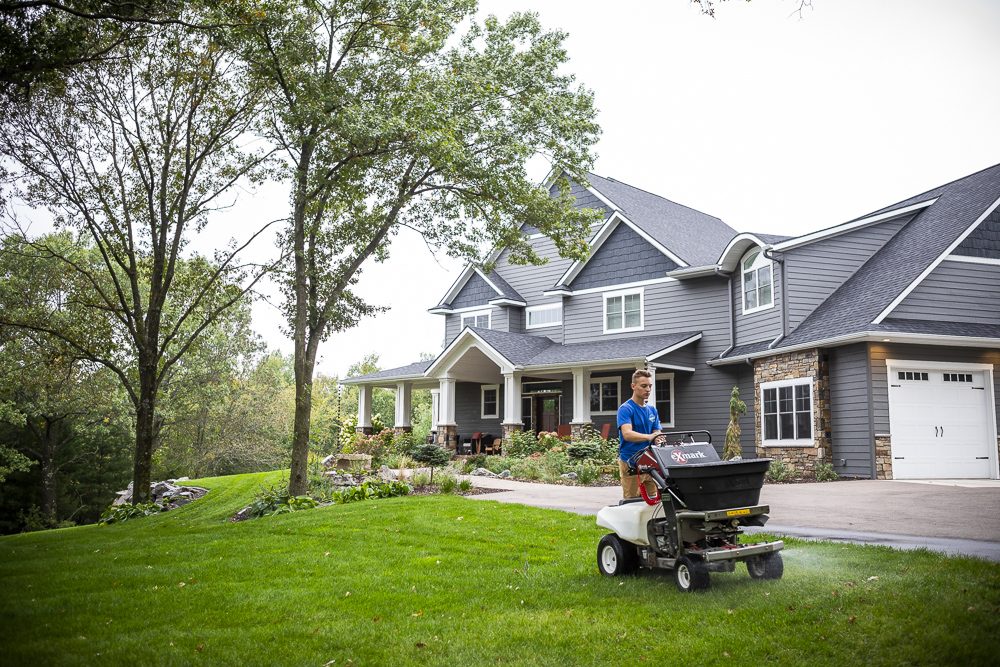
Weed killers fail for two reasons far more often than they fail for a third: wrong product for the weed, or right product at the wrong time. Understanding the four basic categories tells you which one you are dealing with.
How weed killers actually kill a weed
Translocated herbicides move through the plant's vascular system the way water and nutrients do, traveling from the leaf surface down into the root and crown. That is what kills a perennial outright rather than just burning off the top growth. Contact herbicides kill only the tissue they touch, which is enough for a young annual but leaves a perennial root intact and ready to regrow.
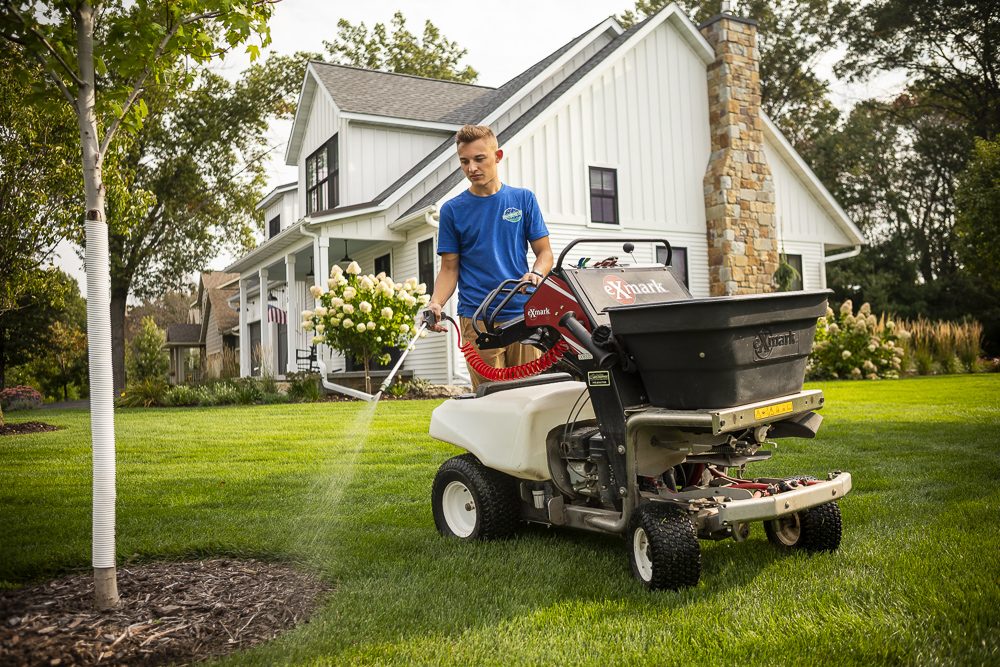
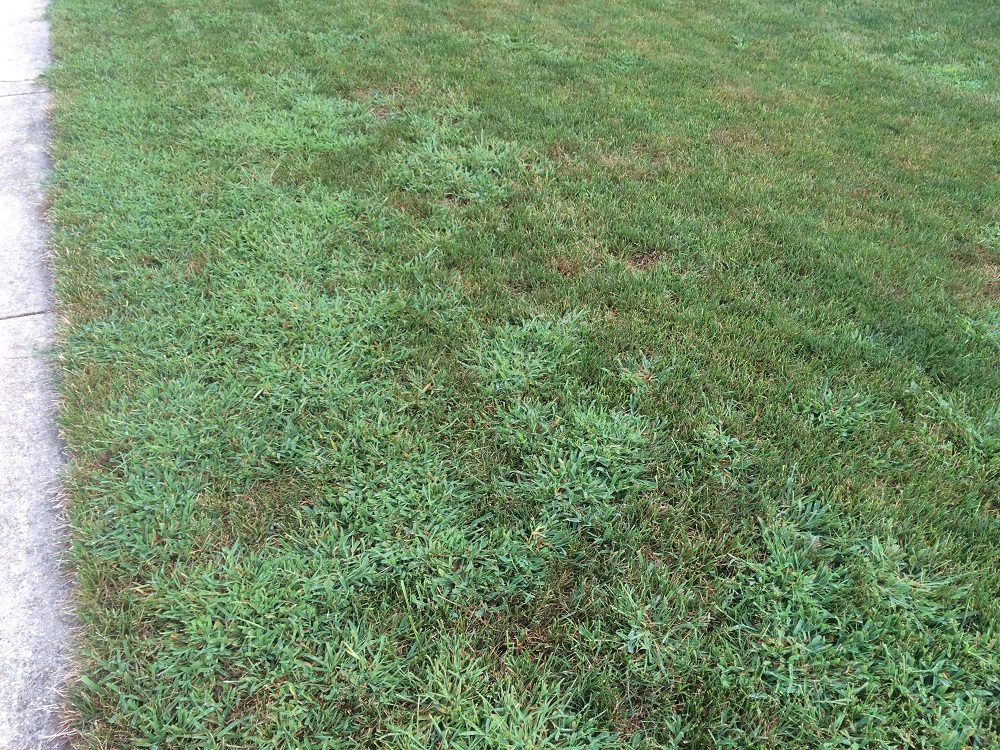
For perennial lawn weeds, dandelion, clover, creeping Charlie, plantain, thistle, translocation is what matters, and translocation takes time. A weed that browns out in two hours was burned, not killed.
Pre-emergent versus post-emergent
Pre-emergent herbicides create a barrier in the top layer of soil that stops germinating seed from establishing. They do nothing to a weed that is already growing. Post-emergent products work on weeds that are up and visible.
Crabgrass shows why this distinction matters. Crabgrass is an annual that has to start over from seed every year, so stopping germination ends it. In Minneapolis and Eau Claire that germination starts once soil temperatures hold in the mid 50s, usually in April or early May, which makes the early spring pre-emergent application the entire ball game. Once crabgrass is up and tillering, your options get much worse. You get two crabgrass treatments from RainMaster, one in early spring and a second in late spring, which extends the barrier through the full germination window rather than betting the season on one application date.
The flip side: a pre-emergent does nothing against a perennial like creeping Charlie or Canada thistle, because those plants return from an existing root system, not from seed.
Selective versus non-selective
Selective herbicides kill certain plant families and leave others alone, which is how a broadleaf product can take out dandelions standing in the middle of your Kentucky bluegrass. Non-selective products kill everything green they contact, which makes them useful for cracks in a driveway and a disaster in a lawn. Most lawn damage from DIY herbicide comes from reaching for a non-selective product because it was the bottle in the garage.
When to apply lawn weed killer
There is no single date. Different weeds germinate and grow at different points in the season, so applications are spread across it. Our comprehensive programs include five visits a year:
- Early spring. First crabgrass pre-emergent, timed by soil temperature. In this region that start date ranges from March to May depending on the spring.
- Late spring. Second crabgrass application, plus fertilizer and broadleaf weed control. The first round of fertilizer and weed control should be finished by Memorial Day.
- Summer. Follow-up visits for weeds that emerge in heat, with applications adjusted for temperature so the turf is not stressed.
- Fall. The best weed control window of the year. Perennial weeds are moving carbohydrates down into their roots and carry systemic herbicide along with them. Curative weed treatments here run through early October.
How long it takes to kill weeds
Typically weeds begin to curl and die seven to fourteen days after treatment. Every active ingredient works at its own rate, and some weeds are simply slower. Extra stubborn species can take a month to fully die back. Clover and creeping Charlie usually need multiple applications across a couple of months. A handful of weeds are not controlled by any selective material available for lawns, which is a diagnosis question before it is a product question.
Weeds did not appear overnight, and they do not leave overnight. The measure of a weed program is the weed count next spring, not the browning you see next week.
Why liquid beats weed and feed granules
In a granular weed and feed product, only a fraction of the granules carry the herbicide. The product works by the granule sticking to a wet weed leaf and dissolving there. Spread it dry and much of it drops straight through the canopy to the soil, never touching a weed leaf, which is why coverage is so inconsistent. If it does not stick to the weed, the weed does not die.
We apply liquid weed control so the material covers the leaf surface evenly and stays there. Granular form still makes sense for fertilizer, where you want slow release into the soil, but weed control works better sprayed.
A thick lawn does most of the work
Weeds colonize openings. Close the canopy and most of the annual weed pressure disappears on its own.
- Mow high. Three to three and a half inches. Short grass heats the soil surface and helps weed seed germinate, and it supports a shallower root system.
- Water deeply and infrequently. About an inch a week including rain, early in the morning. A lawn that is chronically too wet or too dry thins out, and thin turf grows weeds.
- Run a proactive program. Preventive and curative treatments through the season, not a rescue mission in July.
- Aerate annually. Compacted soil holds back roots, and weeds take the openings first.
If weed pressure is heavy across the whole lawn, treat the density problem alongside the weeds. Overseeding into an aerated lawn in late summer builds the canopy that keeps next year's seed from establishing. Our lawn care programs pair weed control with fertility and soil work for that reason.
Bottom line
- Translocated herbicides kill the root; contact products only burn what they touch, which is why perennials regrow.
- Pre-emergent stops germinating seed and does nothing to established weeds. Post-emergent is the reverse.
- Crabgrass is controlled by early spring pre-emergent timing; two applications cover the full germination window.
- Fall is the strongest window for perennial broadleaf weeds, with curative treatments running through early October.
- Liquid weed control covers leaf surfaces evenly; most weed and feed granules never touch a weed leaf.
Frequently asked questions
How often should lawn weed killer be applied?
Several times across the season, because weeds germinate and grow at different points. A full program runs five visits, starting with soil temperature based pre-emergent in spring and finishing with fall broadleaf control through early October.
Why didn't my weed killer work?
Usually timing or product type. A pre-emergent applied after germination does nothing, a contact product on a perennial only burns the top, and most applications need seven to fourteen days before results show. Rain soon after application and treating in high heat also reduce results.
Is weed and feed as good as a professional application?
Not for the weed half. Only some granules in the bag carry herbicide and they have to stick to a wet weed leaf to work, so coverage is uneven. Granular form is the better choice for fertilizer, which is why we use granular fertilizer and liquid weed control.
Can I put down weed killer and grass seed at the same time?
Not with a standard crabgrass pre-emergent, which prevents grass seed from establishing along with the crabgrass. There are professional-grade materials that allow seeding and crabgrass control in the same spring, which is how we handle spring repairs.
University of Wisconsin Division of Extension, Crabgrass Management in Lawns.


