


DIY Mosquito Yard Treatment vs Pest Control Service in Eau Claire
Store-bought mosquito control can work, and whether it does comes down to where you spray, with what equipment, and how consistently you keep it up. Here is an honest comparison with a professional barrier program for an Eau Claire or Twin Cities yard.
Will DIY mosquito control work
Sometimes. Consumer products are real insecticides at consumer concentrations, and applied well they reduce mosquitoes. The variability is not in the chemistry, it is in the application, and that is where most DIY programs fall apart.

Knowing where to spray
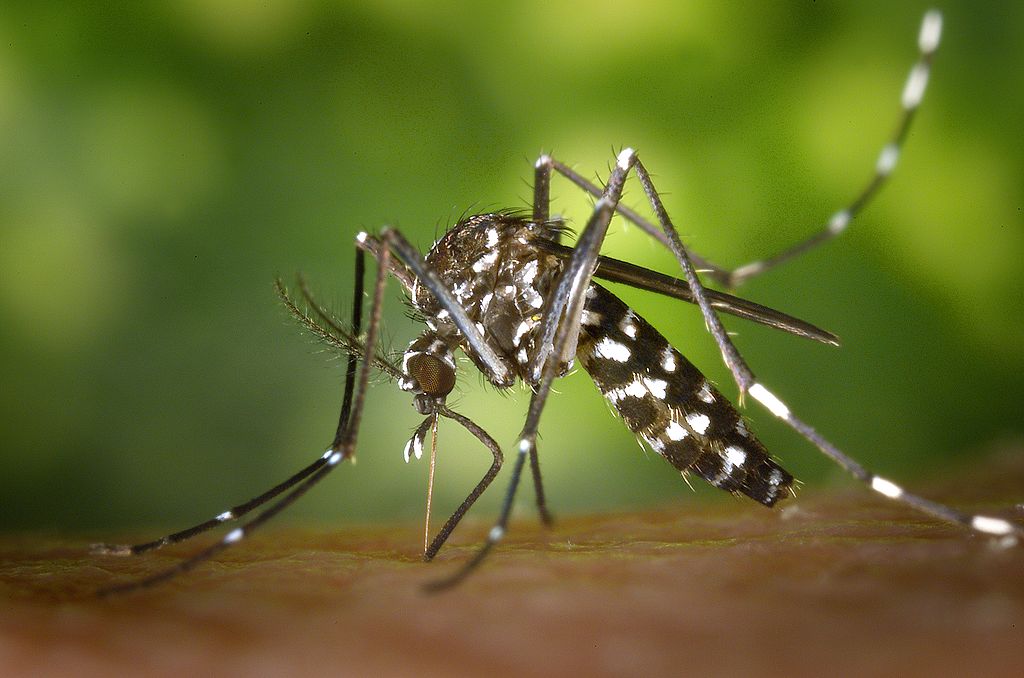
This is the part that decides the outcome. Mosquitoes do not spend the day in the open air over your lawn. They rest in cool, shaded, humid harborage and come out to feed, which means a treatment that covers the open yard and misses the harborage accomplishes very little.
The places that matter are the undersides of plant leaves, the interiors of dense shrubs, shaded areas along the house and fence, damp low spots, under decks and porches, low tree limbs and canopy edges, and wood piles. Hitting those requires knowing to look for them and being able to reach them.
Equipment matters more than people expect
How are you applying it? A hose-end sprayer or a can puts material on the top surfaces of plants, which is the side mosquitoes are not resting on.
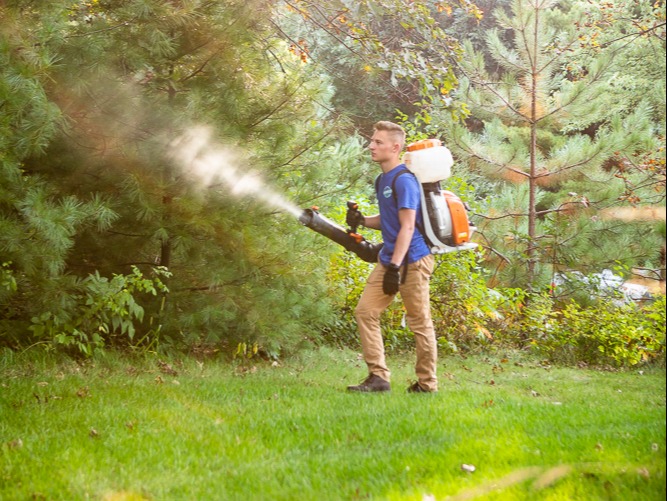
Professional backpack mist blowers push material into shrub interiors and onto leaf undersides, which is where the residual needs to be. The equipment difference is larger than the product difference, and it is not something you can work around with more volume from the wrong sprayer.
Safety and handling
These products are safe when handled, applied, and stored according to the label. That covers mixing, personal protective equipment, keeping people and pets off treated areas until dry, and storing the concentrate where it cannot freeze or be reached by a child.
Professional applicators are licensed and trained on all of that. For a homeowner it comes down to whether you will read and follow the label every time, including the parts about re-entry and storage.
Timing is the thing DIY misses most
A barrier treatment has a residual window, and mosquitoes reproduce continuously, so there is always a new population coming in from surrounding property. Protection depends on re-treating on schedule, not on treating heavily once.
That is the practical failure of DIY. Life gets busy, two weeks becomes five, and the yard is unprotected through the stretch you wanted it for. A service shows up every three weeks from spring through fall whether or not anyone remembered.
Treatment is only part of the job
A lot of what drives mosquito pressure in a yard is habitat, and you stop seeing it after a while. Old tires, clogged gutters, buckets, wheelbarrows, empty pots, tarps, and birdbaths all hold the small amount of standing water mosquitoes need to breed. Leaf litter, tall grass, and brush give them somewhere to rest.
Part of the value in a professional visit is someone walking the property who is looking for those specifically, and telling you which ones to deal with. Removing breeding sites does more than any spray, because it reduces the population being produced on your own property rather than killing what has already hatched.
What it costs
Mosquito treatment service at RainMaster starts at $579 a year for the season, covering Eau Claire and the Minneapolis area. Across a full season that works out to a couple of dollars a day.
DIY is not free either. Products cost money, you may buy several before finding one that works in your yard, and the equipment to apply it properly is a separate purchase. The costs add up without any assurance the result is what you wanted.
What a barrier program covers
RainMaster's barrier spray reduces mosquitoes on your property across the season with visits every three weeks, six visits total from spring through fall. Technicians treat the perimeter and the harborage listed above rather than broadcasting over the lawn.
Results are immediate, meaning a substantial reduction rather than a gradual decline. The same application reduces ticks, which is a real benefit here.
On ticks, one correction worth making because the myth leads people to treat the wrong places: ticks cannot jump, fly, or drop out of trees. A tick climbs low vegetation, usually within a foot or two of the ground, holds its front legs out, and grabs on when something brushes past. That means tall grass, leaf litter, groundcover, and the brushy edge between lawn and wood line are where the risk is, and where treatment and habitat reduction belong.
Be skeptical of anyone promising to eliminate every mosquito. No program offers complete control, and the honest claim is a large reduction in mosquitoes and ticks, which is what makes the yard usable again.
See mosquito and tick reduction for program details and our service areas for coverage near you.
Bottom line
- Mosquitoes rest in shaded harborage, not open lawn, so coverage of leaf undersides and shrub interiors decides the result.
- Backpack mist blowers reach harborage that hose-end sprayers and cans do not.
- Re-treating on a three-week schedule matters more than treating heavily once.
- Removing standing water sources reduces the population being bred on your property.
- Ticks cannot jump, fly, or drop from trees. They quest from low vegetation, which is where treatment belongs.
Frequently asked questions
Does DIY mosquito spray work at all?
It can, if it reaches the shaded harborage where mosquitoes rest, is applied with equipment that covers leaf undersides, and is reapplied on schedule. Missing any of those three is why most DIY programs underperform.
How often does a yard need to be treated?
About every three weeks, which comes to six visits across a season here. The residual window is limited and mosquitoes keep reproducing and moving in from nearby property.
What does mosquito service cost?
RainMaster mosquito treatment starts at $579 a year for the season in Eau Claire and the Minneapolis area.
Can a mosquito program eliminate mosquitoes completely?
No, and anyone promising that is overselling. A barrier program delivers a large reduction in mosquitoes and in ticks, which is what makes the yard comfortable to use.
University of Minnesota Extension, Ticks and tickborne diseases.
University of Wisconsin Extension, Yard and garden pest guidance.


