


Dandelion Weed Control in Minneapolis: 9 Important Tips
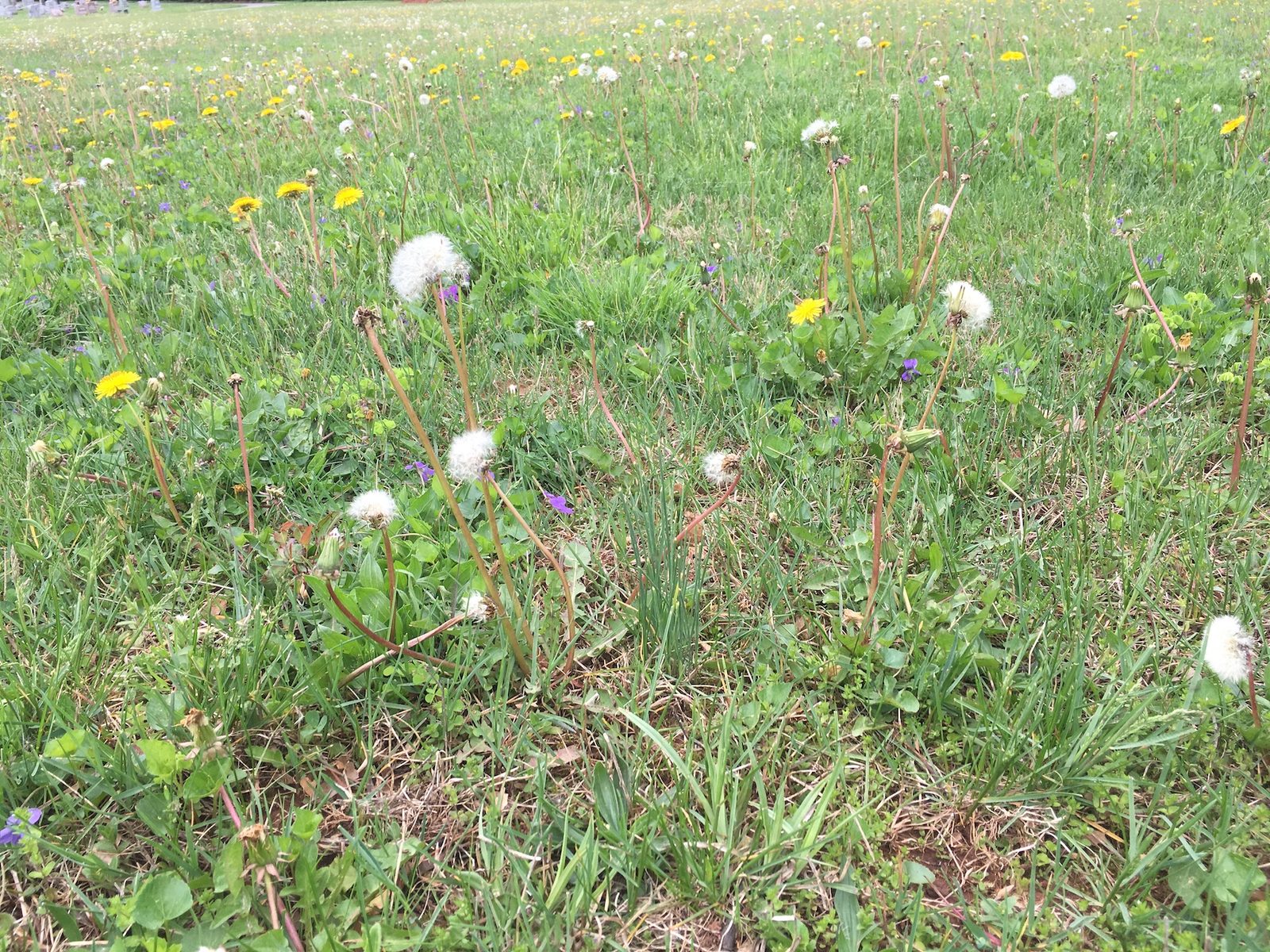
Dandelions are perennials, so the yellow heads you see in May came from plants that established themselves the previous fall. That single fact explains why spraying in spring alone never ends the problem and why a season-long program works.
Know what you are fighting
The dandelion is a broadleaf perennial with a thick taproot that regrows from the crown year after year. It spreads by seed, and each flower head becomes a puffball of wind-borne seed that germinates easily on bare or thin soil. Pulling the top off does nothing; unless the crown and most of the taproot come out, the plant pushes new leaves within weeks.
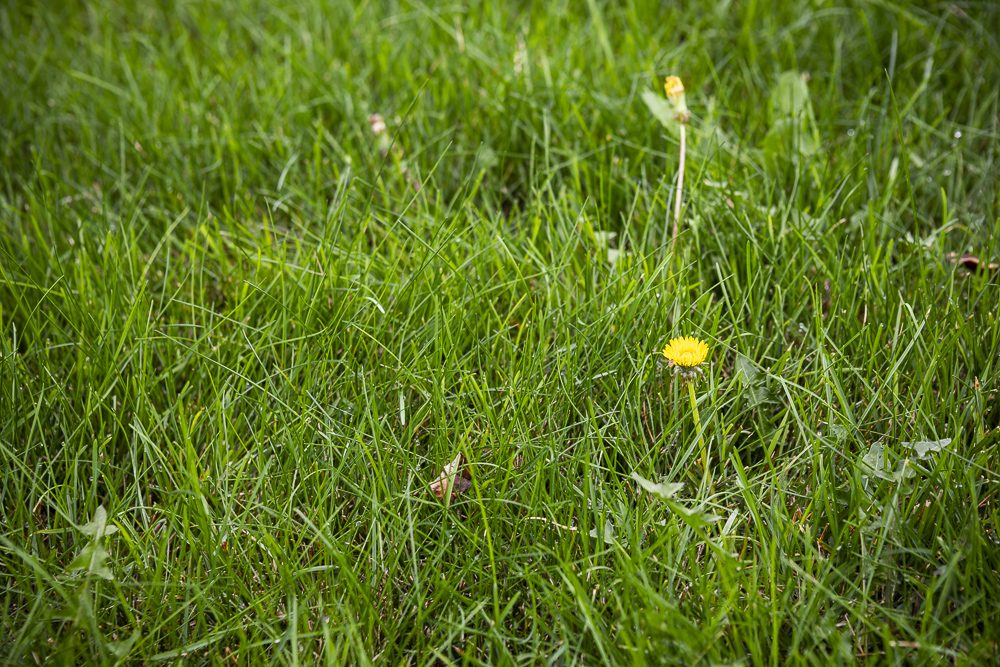

The timing is what most homeowners miss. Dandelion seed germinates heavily in late summer and early fall, not in spring. Those seedlings overwinter as small rosettes and flower the following spring. So the dandelions you are looking at in May were decided last September.
About the seed myth
Dandelion seed does not sit dormant in your soil for decades. It germinates readily, often within the first season, and viability drops off within a few years. That is good news: the seed bank is not a life sentence. What keeps dandelions coming back is a steady supply of new seed from your lawn, your neighbor's lawn, and the ditch down the road, landing on thin turf that gives it an opening.
Stop blowing the seed heads
It is a childhood ritual and it is also a seed dispersal event. One puffball carries a couple hundred seeds, and they land exactly where you do not want them. Mow the flower heads off before they go to seed instead, and bag the clippings when the lawn is full of puffballs.
Herbicide, applied at the right time
RainMaster specialists target dandelions with a specialty weed shield herbicide designed to reduce the number that emerge. Anything that still slips through gets treated with a selective broadleaf herbicide, which kills the dandelion without damaging the surrounding grass.
Timing matters more than product strength. Spring preventive treatments are triggered by soil temperature, which in Minneapolis and the north metro means a start date anywhere from late March to May depending on how the season breaks. Curative weed spray runs from April through early October. Fall is the strongest window of the year for perennial broadleaf control, because the plant is pulling carbohydrates down into the root system and carries the herbicide with it, and in Minnesota that window stays open until the ground starts to freeze.
A thick lawn is the actual control
Dandelion seed needs light and soil contact to establish. Dense turf denies it both. Everything below is aimed at closing the canopy.
Mow high
Three to three and a half inches is the right range for the Kentucky bluegrass, ryegrass, and fescue mixes used in this region. Taller grass shades the soil surface, which keeps it cooler and cuts germination, and it supports a deeper root system. Mowing short out of frustration does the opposite: it heats the soil and opens the canopy to exactly the seed you are trying to stop.
Water deeply and less often
A lawn that stays constantly damp and a lawn that goes bone dry both thin out, and thin turf invites weeds. Aim for about an inch of water a week including rainfall, delivered in a couple of long early morning cycles rather than a daily sprinkle. A properly designed irrigation system makes that automatic and removes the guesswork about coverage.
Fertilize on schedule and aerate
Turf that is fed through the season fills in on its own. Core aeration once a year relieves compaction so roots can spread, and compacted, bare, or thinning areas are where dandelions take hold first.
Spot treatment versus blanket treatment
If your lawn has a handful of dandelions, there is no reason to blanket the entire property with herbicide. We treat the weeds that are there. Blanket applications make sense when weed pressure is high across the lawn, not as a default.
You will still see a few
Even on a well-run program, some dandelions appear. Seed blows in from neighboring yards, and plants that had not yet germinated when the technician visited emerge afterward. We will come back to treat persistent weeds at no charge, or address them on the next scheduled visit.
Expect patience on results. Most broadleaf weeds visibly curl and die seven to fourteen days after treatment, and some take longer. The goal is not how fast a weed browns out; it is whether the lawn has fewer of them next spring than it had this one.
Bottom line
- Dandelions are perennials, and their seed germinates mainly in late summer and fall, so spring-only treatment never finishes the job.
- Dandelion seed does not persist in soil for decades; new seed landing on thin turf is what keeps the cycle going.
- Fall is the strongest window for perennial broadleaf control because the plant moves herbicide down into the root.
- Mow at three to three and a half inches and water about an inch a week to close the canopy against germinating seed.
- Spot treat when pressure is light, and give any application seven to fourteen days before judging it.
Frequently asked questions
When is the best time to treat dandelions in Minnesota?
Fall is the most effective window, because the plant is moving stored energy into its root system and pulls the herbicide down with it. Spring treatment works too, and a full program covers both, with spring preventive timing driven by soil temperature rather than a fixed date.
Will pulling dandelions get rid of them?
Only if you remove the crown and most of the taproot. Snapping off the leaves leaves the root intact and the plant regrows. Hand pulling is practical for a few plants in a bed, not for a lawn full of them.
Why do I have dandelions when my lawn looks healthy?
Seed blows in from neighboring lawns, ditches, and fields, and any thin or compacted spot gives it a place to land. Density is the defense, which is why mowing height, watering, and annual aeration matter as much as the herbicide.
How long does it take for dandelion weed killer to work?
Expect visible curling and dieback in seven to fourteen days. Large established plants may need a second application, and treatments made during hot, dry stretches work more slowly.
University of Wisconsin Division of Extension, Dandelion, Taraxacum officinale.
University of Minnesota Extension, Fertilizing lawns.


