


Crabgrass vs. Quackgrass: How to Identify & Kill These Nasty Weeds
Crabgrass and quackgrass get mistaken for each other constantly, and that matters because the controls are completely different. One is a summer annual stopped with pre-emergent timing; the other is a spreading perennial that pre-emergent will not touch. Here is how to tell them apart and what each one actually takes.
How to tell crabgrass from quackgrass
Both have wide, coarse, grass-like blades that stand out from fine turf, which is where the confusion starts. Three checks separate them reliably.

Growth habit
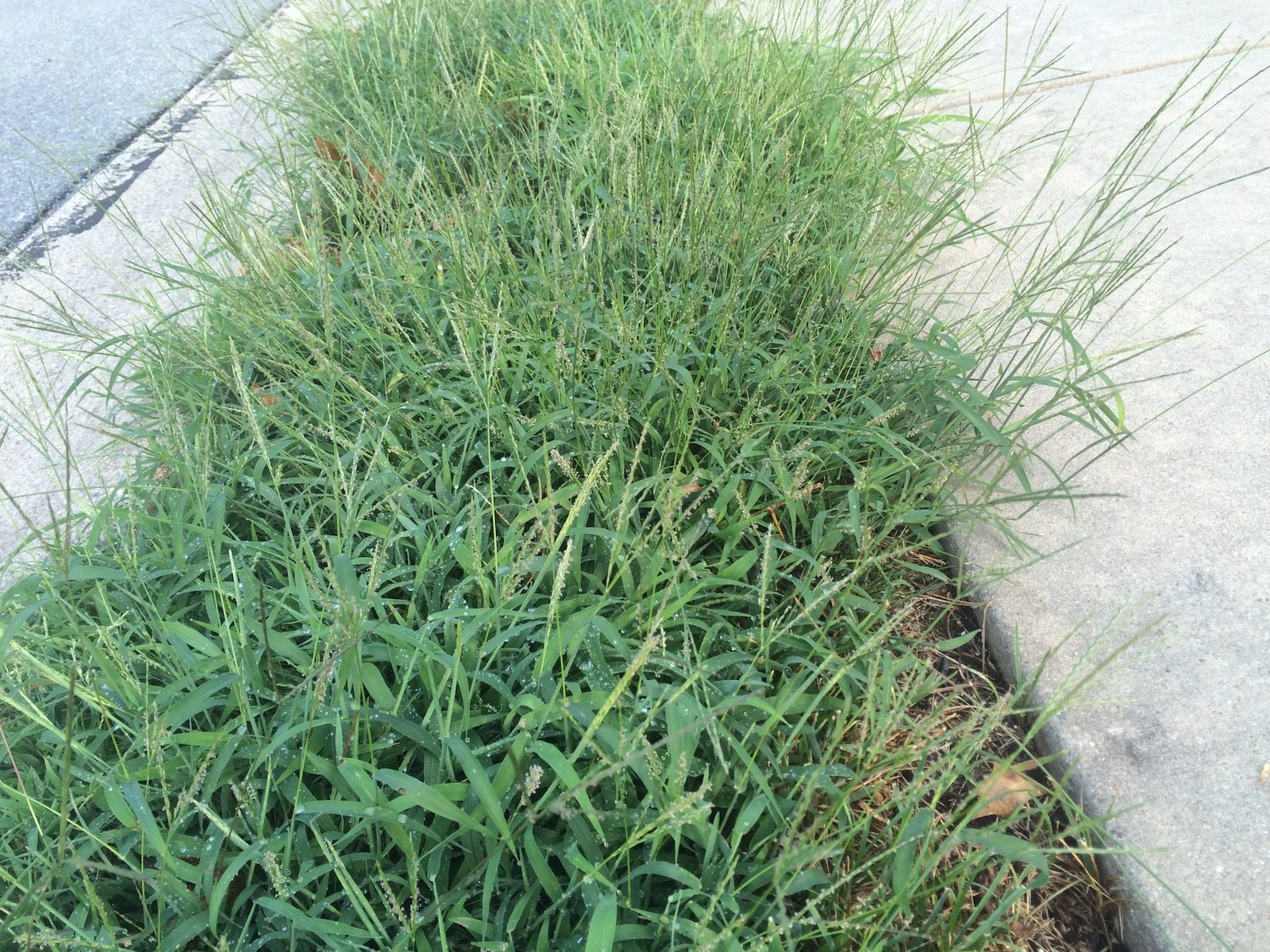
Crabgrass grows in low clumps, with stems radiating outward along the ground rather than upward, which is where the name comes from. The whole plant hugs the soil.
Quackgrass grows upright, often taller than the surrounding lawn between mowings, and tends to be a bluish green that stands out in color as well as texture.
The collar, which is the definitive check
Look where the leaf blade meets the stem. Quackgrass has auricles: small, claw-like appendages that clasp around the stem. They are visible to the naked eye and crabgrass does not have them. If you find clasping auricles, you have quackgrass, and that single check settles most arguments.
The roots
Dig up the plant. Crabgrass roots stay in a contained bunch and the whole plant pulls out fairly easily.
Quackgrass has rhizomes: whitish underground runners that travel horizontally and send up new shoots along their length. Pull on a quackgrass plant and you will tear a rhizome, leaving pieces behind that resprout.
Crabgrass: the annual that wins on sheer numbers
Crabgrass is a warm-season annual. It germinates from seed in spring, grows all summer, sets seed, and dies with the first hard frost. Its advantage is volume. A single crabgrass plant can produce as many as 150,000 seeds, and those seeds stay viable in the soil and can germinate in future years, not just the next spring.
That reproductive math is the whole story. Killing the plants you see in August is cosmetic, because the seed is already down.
How to control it: stop the seed from becoming a plant. Pre-emergent targets seeds as they germinate, and the timing is driven by soil temperature, not the calendar, which is why the start date in Wisconsin and Minnesota can range from March into May.
Crabgrass still sneaks through pre-emergent in thin areas and along pavement edges, where soil heats faster and turf is weakest. Those escapes can be spot treated with a post-emergent product while plants are young, which works far better than trying to kill a mature clump.
Most lawn care companies in Eau Claire and Minneapolis do one crabgrass application in spring. At RainMaster we do two, one early spring and one late spring, which extends coverage across the whole germination window instead of betting on a single date.
Quackgrass: the perennial that spreads underground
Quackgrass is a cool-season perennial, well suited to this climate, and it does not die off in winter. It spreads two ways. Rhizomes push outward underground and send up new shoots, so one plant becomes a patch, and it also produces seed, roughly 25 per plant, which can remain viable in the soil for up to five years.
It has a second advantage: quackgrass rhizomes release compounds that suppress the growth of neighboring plants, which helps it outcompete turf and take over the space.
How to control it: there is no selective product that removes quackgrass from a home lawn without harming the desirable grass, because quackgrass is a grass. The practical approach is spot treatment with a non-selective product containing glyphosate, applied while the plant is actively growing so the material moves into the rhizome system. Partial kills come back from surviving rhizome, so thorough treatment matters.
Expect the surrounding turf in the treated spot to die too. Plan on reseeding, and wait the interval on the product label before you do. Late August through mid September is the strongest seeding window here, which conveniently makes late summer the right time to treat quackgrass and renovate the spot in one pass.
For a lawn heavily infested throughout, a full renovation is usually a better use of money than years of spot treatment.
Your best defense: turf density
Both of these weeds colonize weak, thin lawns. Crabgrass needs light reaching warm bare soil to germinate. Quackgrass needs open space to spread into. Neither gets much of either in a dense stand.
- Mow high. Three to four inches. Taller grass shades the soil surface, which both lowers soil temperature and cuts the light crabgrass seed needs. Short mowing does the opposite and is the most common self-inflicted crabgrass problem we see.
- Water deeply and infrequently. About an inch a week in one or two early morning cycles. Short daily watering keeps the surface moist and warm, which favors weed germination over deep turf rooting.
- Aerate and overseed annually. Thickening the stand removes the open ground these weeds need, and the time to do it is late August through mid September.
- Fertilize on a balanced schedule so turf is actively competing rather than thinning out in summer.
- Get a plan. A complete lawn care program with both preventive and curative treatments from early spring through late fall is what keeps the timing right, since both of these weeds are beaten on timing, not on product strength.
Bottom line
- Crabgrass grows in low clumps with stems radiating outward. Quackgrass grows upright and bluish green.
- Check the collar. Quackgrass has clasping, claw-like auricles where the blade meets the stem. Crabgrass does not.
- Crabgrass is a summer annual beaten with pre-emergent timed to soil temperature, March to May in this region.
- Quackgrass is a perennial that spreads by rhizomes and needs non-selective glyphosate spot treatment plus reseeding.
- Both colonize thin turf. Mow at three to four inches, water deeply, and aerate and overseed in late summer.
Frequently asked questions
Is it crabgrass or quackgrass in my lawn?
Look at the collar where the blade meets the stem. Quackgrass has small claw-like auricles clasping the stem and grows upright. Crabgrass has none and grows in low clumps with stems spreading along the ground.
Will pre-emergent stop quackgrass?
No. Pre-emergent works on germinating seed, and quackgrass spreads mainly by underground rhizomes from established plants. It requires spot treatment with a non-selective product while the plant is actively growing.
Can I kill quackgrass without killing my lawn?
Not reliably in a home lawn, because quackgrass is a grass and selective products that spare desirable turf grasses are not available for it. The practical route is spot treating and reseeding, ideally timed for the late August to mid September seeding window.
Why do I get crabgrass even though I treated for it?
Usually timing or thin turf. Pre-emergent has to be down before germination, which runs on soil temperature, and crabgrass commonly breaks through in thin areas and along pavement where soil warms faster. Those escapes are spot treated while young.
University of Wisconsin Extension, Crabgrass.
University of Minnesota Extension, Seeding and sodding home lawns.


