


The Comprehensive Guide to Controlling Ticks and Mosquitoes in Your Backyard
Ticks and mosquitoes use the same parts of your yard, the damp shaded edges, and that is what makes controlling both of them a single job rather than two. Knowing where they actually are, and where they are not, is most of the work.
Ticks: what is true and what is not
A tick cuts into the skin, inserts its feeding tube, and feeds slowly over several days. A few common beliefs about them are wrong, and the corrections change how you protect yourself.

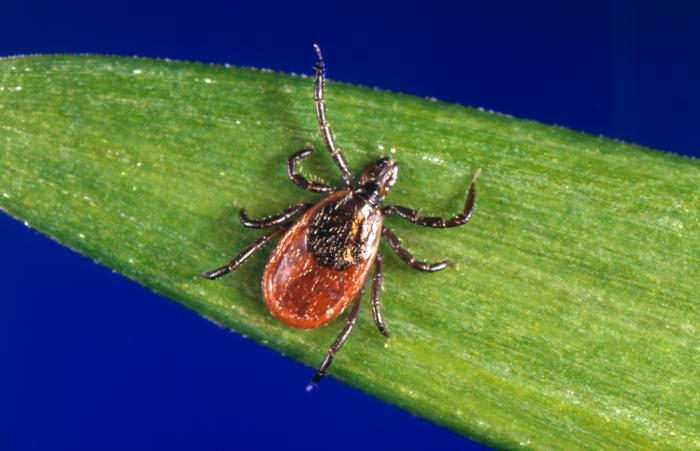
They do not burrow under the skin. A tick feeds until engorged and then drops off, which usually takes three to six days. The area around the attachment point may swell, but the tick itself stays on the surface.
Do not use a flame or petroleum jelly to remove one. Use fine-tipped tweezers, grasp the tick as close to the skin as possible, and pull straight out with steady pressure. No twisting, no jerking.
They are not only a warm-weather problem. Ticks are active whenever temperatures are above about 40 degrees, which in Wisconsin and Minnesota means much of fall and any mild stretch in winter.
They cannot jump, fly, or drop out of trees. This one matters. Ticks find hosts by questing: they climb to the tip of low vegetation, grass, leaf litter, and low shrubs, usually within a few feet of the ground, extend their front legs, and wait for a host to brush past. They do not leap and they are not falling on you from the canopy. That is why control focuses on low vegetation and leaf litter, and why clearing the lawn edge works.
They do transmit disease. Pathogens pass in tick saliva during feeding. Lyme disease, carried by the blacklegged tick, is the most commonly reported tickborne illness in Wisconsin.
Where ticks actually are in your yard
Not the middle of the mown lawn, which is too hot, too sunny, and too dry for them. They concentrate where your yard meets woods or brush, in shaded areas with damp leaf litter and yard debris, and in tall unmown grass along fence lines and property edges. That is why professional treatment targets the perimeter and the shaded leafy zones rather than blanketing the open lawn.
Mosquitoes: facts and myths
Only females bite. Males feed on nectar and plant juices. Females need protein from blood to develop eggs, and one female can lay a few hundred eggs at a time and do so several times over her life.
They are weak fliers. They rest frequently, which is exactly why barrier spray on foliage works: treated resting surfaces are where they spend most of their time.
They find you by carbon dioxide. Exhaled CO2 is a primary cue, along with body heat and skin odor.
They avoid sun because it dries them out, not because sunlight kills them. Mosquitoes shelter in damp shade through the heat of the day to avoid desiccation and emerge around dusk. That is where treatment is aimed.
They need standing water to breed. Eliminating standing water is the single highest-leverage thing a homeowner can do.
Mosquito bites also carry risk. West Nile virus is the most common mosquito-borne virus in the continental United States, and other less common viruses occur as well.
Do homemade sprays work
Homemade mixes of mouthwash, beer, vinegar, and essential oils circulate widely, and results are inconsistent at best and short lived. Store-bought products can work, with the same caveat as any pesticide: coverage, timing, and target selection decide whether it does anything. Spraying the open lawn while skipping the shaded foliage along the perimeter is the usual failure.
What professional barrier spray does
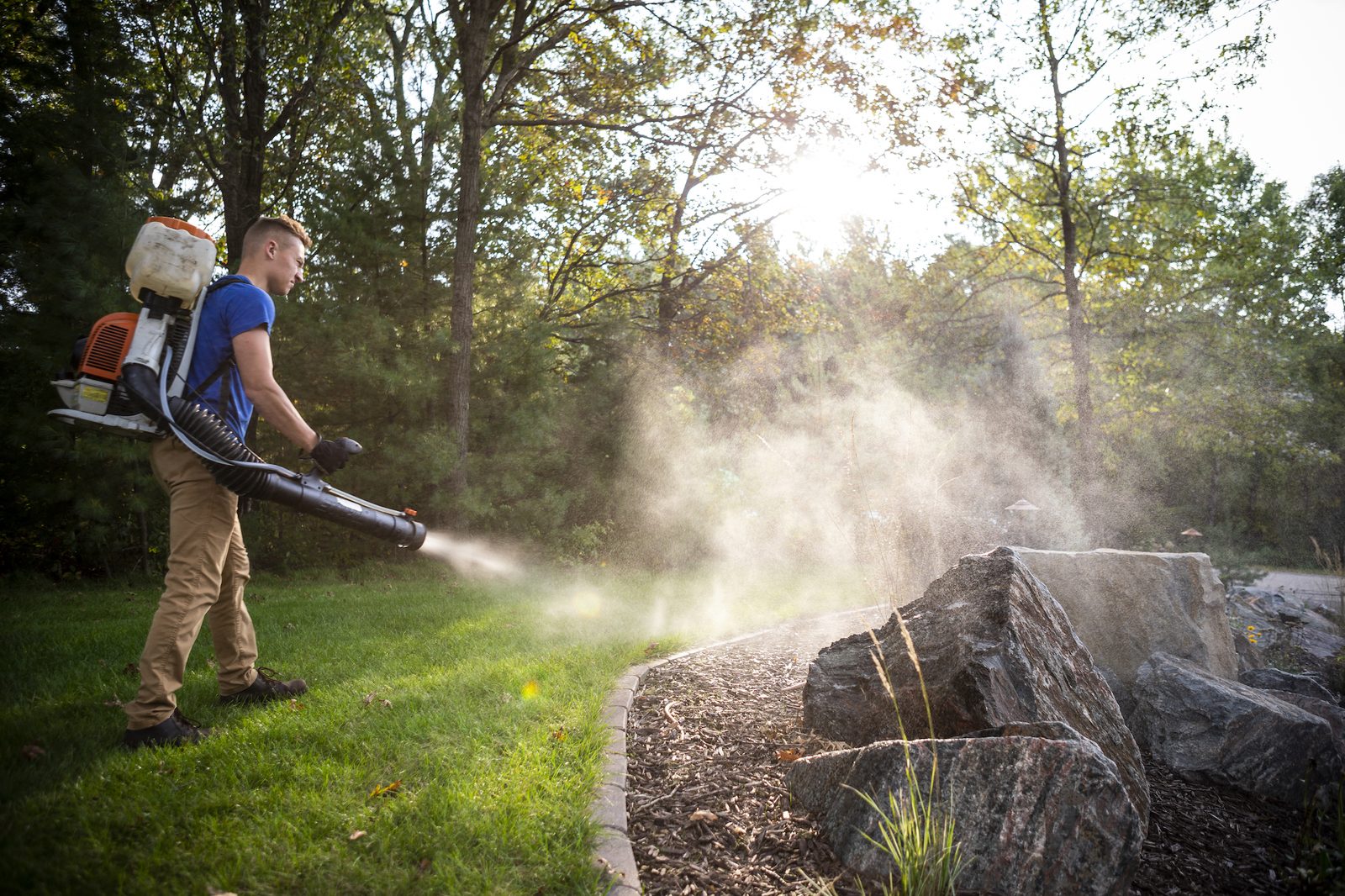
Treatment targets where both pests live and rest, applied to the perimeter and the sheltered areas rather than broadcast across the yard:
- The underside of plant leaves
- Shaded areas
- Damp and low-lying areas
- Under decks
- Under tree canopies
- Wood piles
- The lawn edge where it meets woods or brush
A treatment knocks down mosquitoes present at the time and continues working as they land on treated foliage, with effective control for about three weeks. Expect a noticeable drop within a day, not total elimination, since new mosquitoes continue to emerge and others fly in. Our mosquito and tick control runs on roughly three-week intervals from spring through fall, which is six treatments a season.
What it costs
Seasonal mosquito treatment in this market generally runs about $500 to $600, and most companies here do not publish prices. Ours are on the website.
RainMaster mosquito and tick control starts at $579 for the season based on yard size, with six treatments spaced about every three weeks from spring to fall. Many companies charge separately for mosquito and tick control even though the same product controls both. We treat for both at one price.
Is it safe around pets
With two straightforward precautions. Keep pets indoors while the technician is treating and while treated surfaces are still wet, which is generally about 30 minutes. Once dry, normal use of the yard is fine.
One thing to be clear about: yard treatment reduces the tick population in your yard, but it does not replace the tick preventive your veterinarian recommends. Keep using it.
11 other things that reduce both pests
- Eliminate standing water. Old tires, clogged gutters, buckets, wheelbarrows, empty flowerpots, tarps, and birdbath water older than a week.
- Remove leaf litter, which is where ticks survive dry weather and where mosquitoes shelter.
- Clear tall grass and brush along the house and at the lawn edge, which is exactly where ticks quest.
- Keep the lawn mowed, since both prefer tall grass and ticks cannot survive long in short, sunny turf.
- Stack wood neatly in a dry place.
- Keep playsets and patios away from the wooded edge.
- Discourage wildlife with fencing, since deer, raccoons, and rodents deliver ticks to your yard.
- Remove old furniture and debris that give ticks humid hiding places.
- Plant what mosquitoes avoid near seating areas: lavender, lemon balm, basil, marigolds, catnip. Helpful at the margin.
- Encourage birds and bats with houses. They eat mosquitoes.
- Run a fan on the patio. Mosquitoes are weak fliers, and a fan both pushes them away and disperses the carbon dioxide they track.
What to look for in a service
On the surface the offerings look identical: someone sprays, mosquitoes die for about three weeks, they come back. The differences are operational.
Skip the gimmicks. Automatic misting systems and tick tubes are sold as upgrades and are not necessary for a residential yard. A properly applied barrier treatment on the right intervals does the work.
Then ask about scheduling and notice. We schedule automatically so you are not calling to book, and you get an email or text the day before, which matters when you have dogs that need to be inside.
Bottom line
- Ticks quest from low vegetation within a few feet of the ground. They cannot jump, fly, or drop from trees.
- Ticks concentrate at the wooded edge and in damp leaf litter, not in the middle of a mown sunny lawn.
- Mosquitoes shelter in damp shade to avoid drying out, which is why barrier spray targets foliage undersides and perimeters.
- Eliminating standing water is the single most effective homeowner step against mosquitoes.
- RainMaster mosquito and tick control starts at $579 per season, six treatments about every three weeks, covering both pests at one price.
Frequently asked questions
Can ticks fall out of trees onto me?
No. Ticks find hosts by questing from the tips of low vegetation, generally within a few feet of the ground, and waiting for something to brush past. They do not jump, fly, or drop from the canopy, which is why control focuses on low growth and leaf litter.
How often does mosquito spray need to be reapplied?
About every three weeks, which works out to roughly six treatments across a season here. Mosquitoes continue to emerge and fly in, so control is a maintained condition rather than a one-time result.
Is mosquito yard spray safe for pets?
Keep pets indoors during application and until treated surfaces are dry, generally around 30 minutes. After that normal use is fine. Yard treatment does not replace the tick preventive your veterinarian prescribes.
Where should tick control be applied?
The yard perimeter and shaded leafy areas: where the lawn meets woods or brush, under decks and tree canopies, in leaf litter, and along fence lines with tall grass. Treating the open sunny lawn accomplishes little, because ticks cannot survive there long.
University of Minnesota Extension, Ticks and tickborne diseases.
Wisconsin Department of Natural Resources, Ticks and outdoor safety in Wisconsin.


