


5 Common Questions About Winterizer Lawn Fertilizer
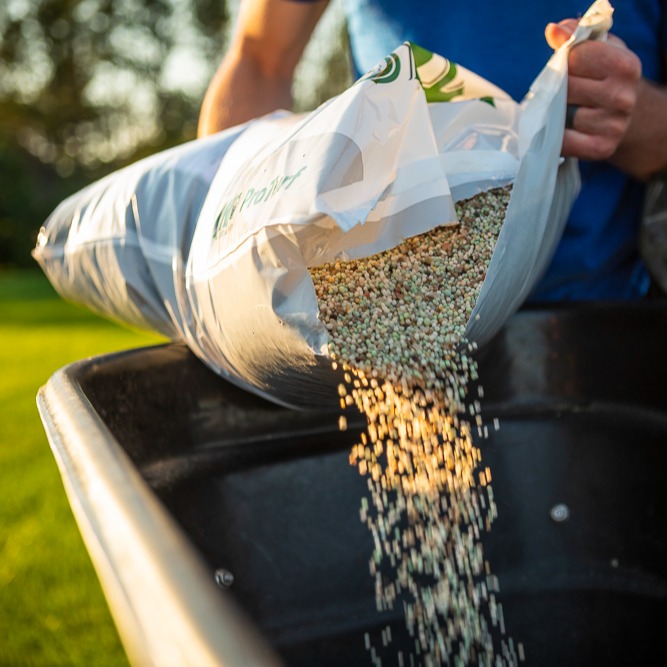
The final fertilizer application of the season does more for next spring's lawn than anything you put down in April. It gets called winterizer, and the name causes some confusion about what it is and when it goes down. Here are the five questions we get asked about it every fall in Eau Claire and the Twin Cities.
1. What is a lawn winterizer?
Winterizer is one term for the last fertilizer application of the growing season. It is a marketing term more than a technical one, and different companies and bagged products mean slightly different things by it. At RainMaster we do not specifically call our final application a winterizer, but we absolutely believe in the value of a final feeding as cold weather sets in. The name is less important than the timing and what is in the bag.
2. Why does the last feeding matter so much?
Your lawn has been through a lot by October. It fought through summer heat and drought, competed with weeds, and probably took some insect or disease pressure along the way. Meanwhile the part of the plant you cannot see is still working. Top growth slows down in late fall, but roots keep growing until the soil freezes.
That is the opening. A late fall feeding goes into a plant that is no longer spending energy on blade growth, so the nutrients go toward root development and into carbohydrate reserves stored in the crown. Those reserves are what the lawn runs on when it breaks dormancy. It is the reason a well-fed lawn greens up early and thick in April without needing to be pushed with a heavy spring nitrogen application, which is the thing that feeds crabgrass and summer disease.
3. How is winterizer different from other applications?
Every application in a season has a job. Spring applications support recovery and green-up. Summer applications are deliberately lighter, because pushing nitrogen into a cool-season lawn in July invites brown patch and heat stress. The final application of the year is the heaviest lift for root health.
At RainMaster, our last fertilizer application of the year includes more potassium to drive root health, so the lawn comes back green and strong in spring. Potassium is associated with stress tolerance and root function, which is the right emphasis for a lawn heading into a Wisconsin or Minnesota winter.
One thing worth being straight about: a late fall application is not a magic product. It is ordinary fertility applied at the one time of year when the plant can bank it instead of burning it. The timing is the trick, not the label.
4. When should winterizer go down?
Late fall, roughly three weeks before the ground freezes. In the Chippewa Valley and the Twin Cities that usually lands somewhere between late October and mid November, depending on the year.
The window has a hard edge on both sides.
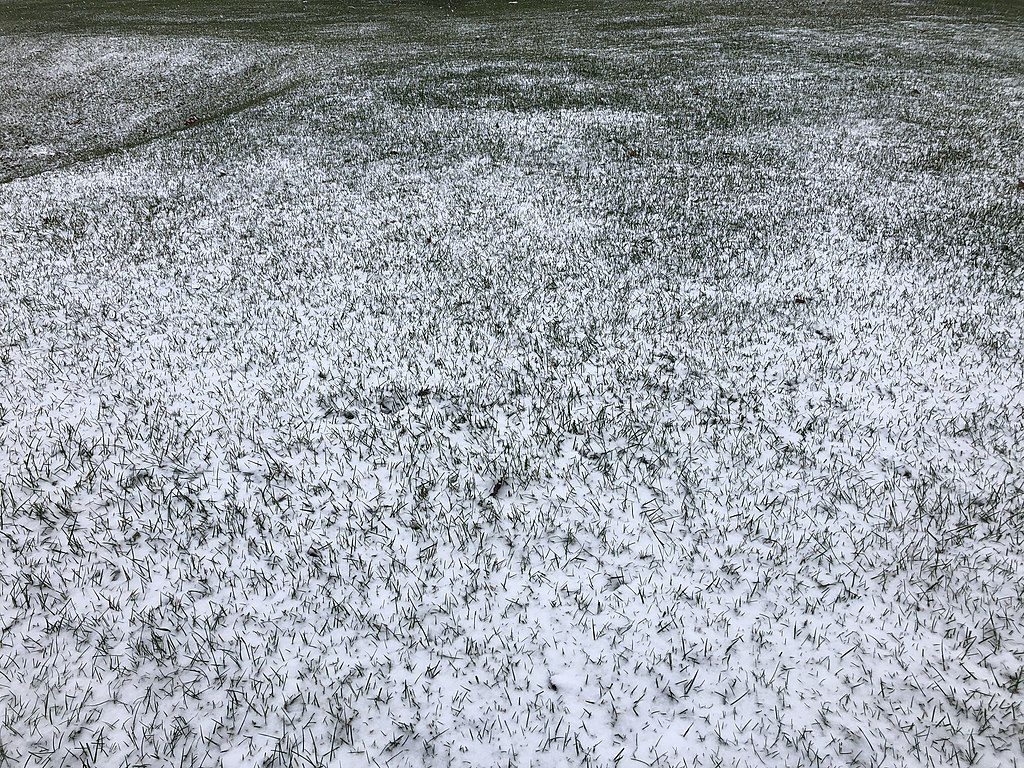
- Too early and you are feeding a lawn that is still growing, which pushes top growth you do not want going into winter and raises the odds of snow mold in matted, lush turf.
- Too late and the ground is frozen. The roots cannot take anything up, the fertilizer sits on the surface, and come snowmelt it runs off with the meltwater into the storm drain and eventually the watershed. That is wasted money and a water quality problem.
Soil temperature and the forecast decide the date, which is why this application is scheduled rather than fixed to a calendar day.
5. What do I need to do to get it?
If you are already a RainMaster customer, nothing. The final fertilizer application of the season is included in your lawn care program, and your specialist schedules it based on conditions.
If you are not a customer, the practical move is to get on a program before the season ends rather than buying a bag and guessing at the date. There are three program levels to choose from based on the results you want, how fast you want to see them, and your budget. Luscious Lawn is the high-end proactive program and the one to choose if your lawn needs a lot of help or you want results quickly. Terrific Turf is the mid-level option and our most popular program for growing a thick, green lawn and handling most challenges. Healthy Habitat is a basic plan with the elements you need for a better lawn.
A few things to pair with the final feeding
- Keep mowing until growth stops. Going into winter at three inches or so is right. Long, matted grass under snow is where snow mold starts.
- Get leaves off the lawn. A wet mat of leaves smothers turf over winter and sets up the same disease problem.
- Aerate in fall if the soil is compacted. Fertilizer cannot help roots that have no air or water getting to them.
- Winterize the irrigation system. Blow out the lines before a hard freeze. A cracked backflow device or a split valve is an expensive spring surprise.
Bottom line
- Winterizer is just a name for the final fertilizer application of the season. Timing matters more than the label.
- Roots keep growing until the ground freezes, so late fall nutrients go into root growth and stored reserves.
- RainMaster's last application of the year carries more potassium to support root health and stress tolerance.
- Apply about three weeks before the ground freezes. Fertilizer on frozen ground runs off at snowmelt.
- Pair it with a final mow near three inches, leaf removal, fall aeration if needed, and irrigation winterization.
Frequently asked questions
Can I apply winterizer fertilizer after the first snow?
If the ground is still soft and unfrozen, yes. If the ground is frozen, do not. The roots cannot take up anything, and the material will wash off with meltwater instead of feeding the lawn.
Is winterizer a special kind of fertilizer?
Not really. It is fertilizer applied at the point in the season when a cool-season lawn stores nutrients instead of spending them on top growth. Formulations marketed as winterizer often carry more potassium, which supports root function and stress tolerance.
Should I skip spring fertilizer if I fertilize in late fall?
No, but a lawn fed properly in late fall does not need to be pushed hard in spring. Heavy early nitrogen produces soft top growth, feeds weed competition, and sets the lawn up poorly for summer heat.
Does the last feeding help with snow mold?
Indirectly. A lawn fed at the right time goes into winter with healthy roots and reserves, which helps it recover. Applying nitrogen too late in the season has the opposite effect, because lush, matted growth under snow is exactly what snow mold needs.
University of Minnesota Extension, Fertilizing lawns.
University of Wisconsin Extension, Lawn fertilization.


