


Can Lawn Care Programs Control Canadian Thistle In Your Lawn?
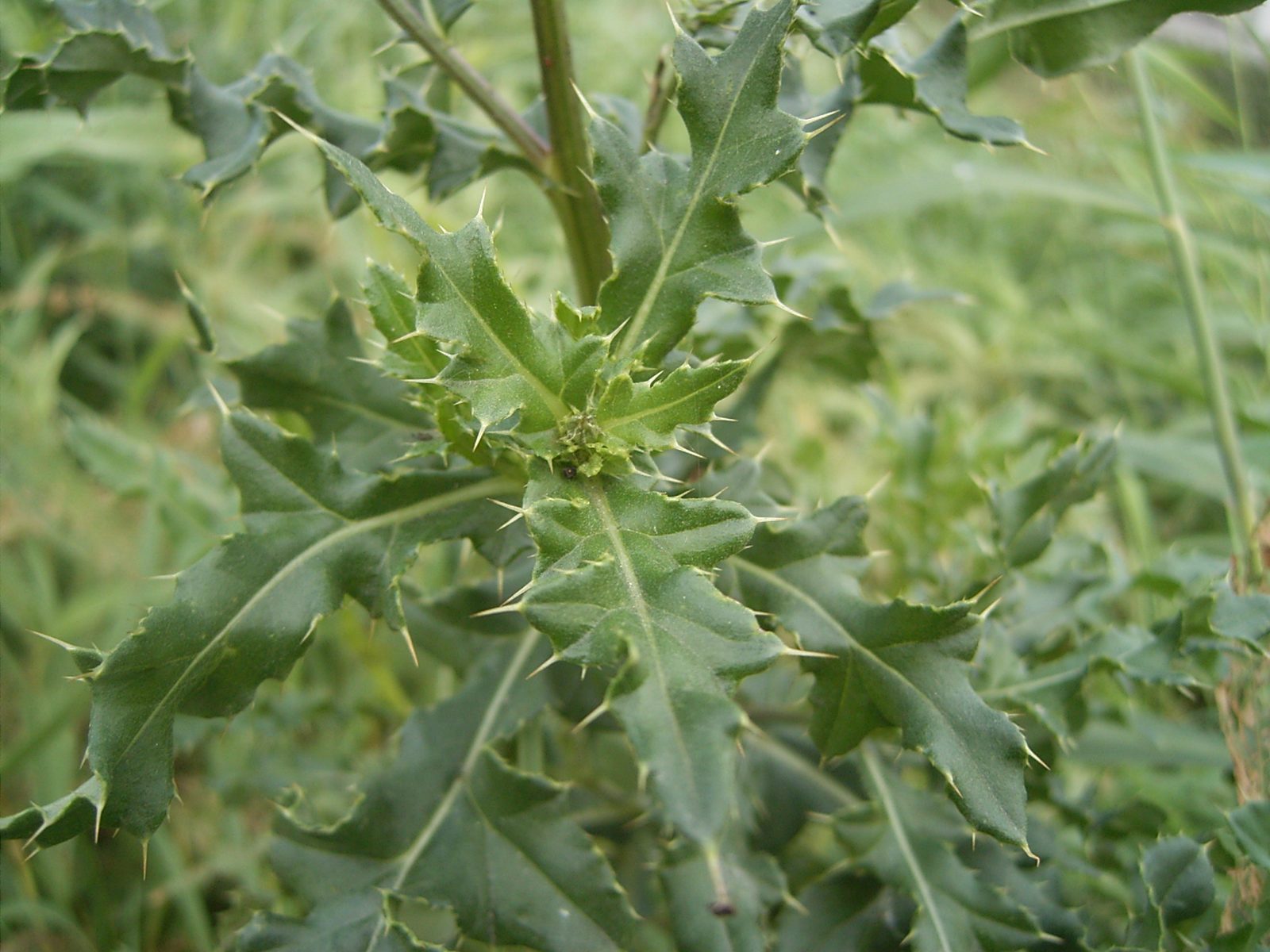
Canada thistle is the hardest common weed to remove from a lawn, and the reason is underground. It spreads by creeping rhizomes rather than by seed alone, which means anything that only treats what you can see will not finish it.
Know the plant you are fighting
First, a naming note worth having straight: the plant is Canada thistle, Cirsium arvense, and despite the name it is native to Eurasia, not Canada. It is an invasive perennial, and its deeply lobed, spear-shaped leaves carry sharp barbs. Do not pull at it bare handed.

Left alone it can reach five feet, and the flowers are purple pom-poms produced in clusters at the top of the plant. They are genuinely attractive and they do draw bees and butterflies, which is the only kind thing anyone says about this weed.
Its root system is the whole problem, and it works in two directions at once. Vertical roots drive down as far as six feet, which puts most of the plant out of reach of anything you do at the surface. Creeping lateral rhizomes run roughly twelve to eighteen inches below ground and can extend many feet in a single season, sending up new shoots as they go. What looks like a dozen separate thistles in your lawn is often one connected plant.
Then there is seed. A single plant can distribute thousands of seeds on the wind, and Canada thistle seed can remain viable in soil for many years, which is why an area cleared of thistle still produces new seedlings seasons later.
How to kill Canada thistle without killing the lawn
It can be done, but it requires professional-level materials designed for the toughest perennials. Retail products generally will not touch this one.
Professionals typically use a product containing either triclopyr or 2,4-D. RainMaster pros use a 2,4-D containing material that controls the thistle that typically shows up in a residential lawn. Triclopyr is the better fit where thistle is growing up into hardy or woody plants.
Both are selective herbicides, meaning they target broadleaf plants and leave the surrounding grass standing. That is the critical difference from a non-selective product, which would kill the thistle and a dead circle of lawn around it.
What they have in common is that they are systemic. The material has to move from the leaf surface down into that six-foot root and out along the rhizomes, and no single application covers all of it. Expect repeated treatments across the season, and expect regrowth between them. That regrowth is not evidence of failure; it is the plant drawing down stored reserves while each successive treatment takes more of the root system with it.
Fall applications are particularly valuable for this weed. As the season winds down, the plant moves carbohydrates from the top growth into the roots for winter, and a systemic herbicide applied then rides along to the places you could never reach in June. In Wisconsin and Minnesota that window runs from roughly early September until the ground starts to freeze, which is narrow enough that fall thistle work gets scheduled rather than squeezed in.
Pre-emergent will not help here
Pre-emergent herbicides prevent seed from germinating, which is why they are the backbone of crabgrass control. Against Canada thistle they do essentially nothing, because the plant comes back each spring from an established root system rather than from seed.
One place pre-emergent logic does apply: planting beds. A thick layer of mulch suppresses germination of new thistle seedlings in beds by denying the seed contact with bare soil. In turf, the equivalent of mulch is a dense canopy.
Canada thistle hates a thick lawn
Preventing this weed is dramatically easier than removing it, and prevention here means density. Canada thistle colonizes bare and thin areas first, so every open patch in your lawn is an invitation.
- Mow at three to three and a half inches. Taller turf shades the soil surface and supports deeper roots, which closes the openings thistle seedlings need.
- Water deeply and infrequently. About an inch a week including rainfall, in a couple of early morning cycles rather than daily sprinkles.
- Fix the thin spots. Core aerate annually and overseed in the late August to mid September window so bare areas close before the next seed arrives.
- Keep fertility consistent. A lawn fed across the season outcompetes weeds on its own.
- Never mow thistle in flower and leave the clippings. Bag them. Mowing before bloom keeps seed production down, which slows the spread even though it does nothing to the rhizomes.
- Do not rototill an infested area. Cutting rhizomes into pieces propagates the plant rather than destroying it.
A realistic expectation
With a committed program, thistle in a residential lawn comes down steadily over a season or two rather than disappearing in a month. The right measure is how much of it comes back the following spring. A patch that returns smaller and weaker each year is a patch that is losing.
Treating the weed and building the turf are the same project. A lawn care program that runs preventive and curative weed control from early spring through late fall while also feeding the lawn and relieving compaction attacks thistle on both fronts: the herbicide takes the root system down, and the thickening canopy keeps the openings closed behind it.
Bottom line
- Canada thistle spreads by deep roots and creeping rhizomes, so what looks like many plants is often one.
- Pre-emergent herbicide does not control it, because it returns from roots rather than seed each spring.
- Selective systemic products containing 2,4-D or triclopyr are the tools that work, and they need repeated applications.
- Fall treatment is especially effective, since the plant is moving carbohydrates into its roots and carries herbicide with them.
- Do not till an infested area; cut rhizomes propagate the plant. Mow before bloom and bag the clippings.
Frequently asked questions
Can you kill Canada thistle without killing the grass around it?
Yes. Selective broadleaf herbicides containing 2,4-D or triclopyr kill thistle while leaving turfgrass standing. Non-selective products also work on the thistle but leave a dead patch of lawn around every plant.
How many treatments does it take to get rid of thistle?
Plan on several across a season and often into a second year. The root system runs six feet deep with rhizomes spreading sideways, and each application reaches only part of it. Regrowth between treatments is normal, not a sign the product failed.
Will pulling or digging out thistle work?
Rarely, and tilling makes it worse. Any rhizome fragment left behind can produce a new shoot, so chopping the root system up multiplies the plants. Hand removal is only useful on an isolated seedling that has not spread yet.
Does mulch help with thistle?
In planting beds, yes. A thick mulch layer keeps seed from reaching bare soil and suppresses new seedlings. It will not stop rhizomes already growing under it, and in lawns a dense turf canopy is the equivalent defense.
University of Wisconsin Division of Extension, Horticulture, weed identification and management.


