


Buyer Beware! 8 Lawn Care Complaints & Unfortunate Rip-Offs
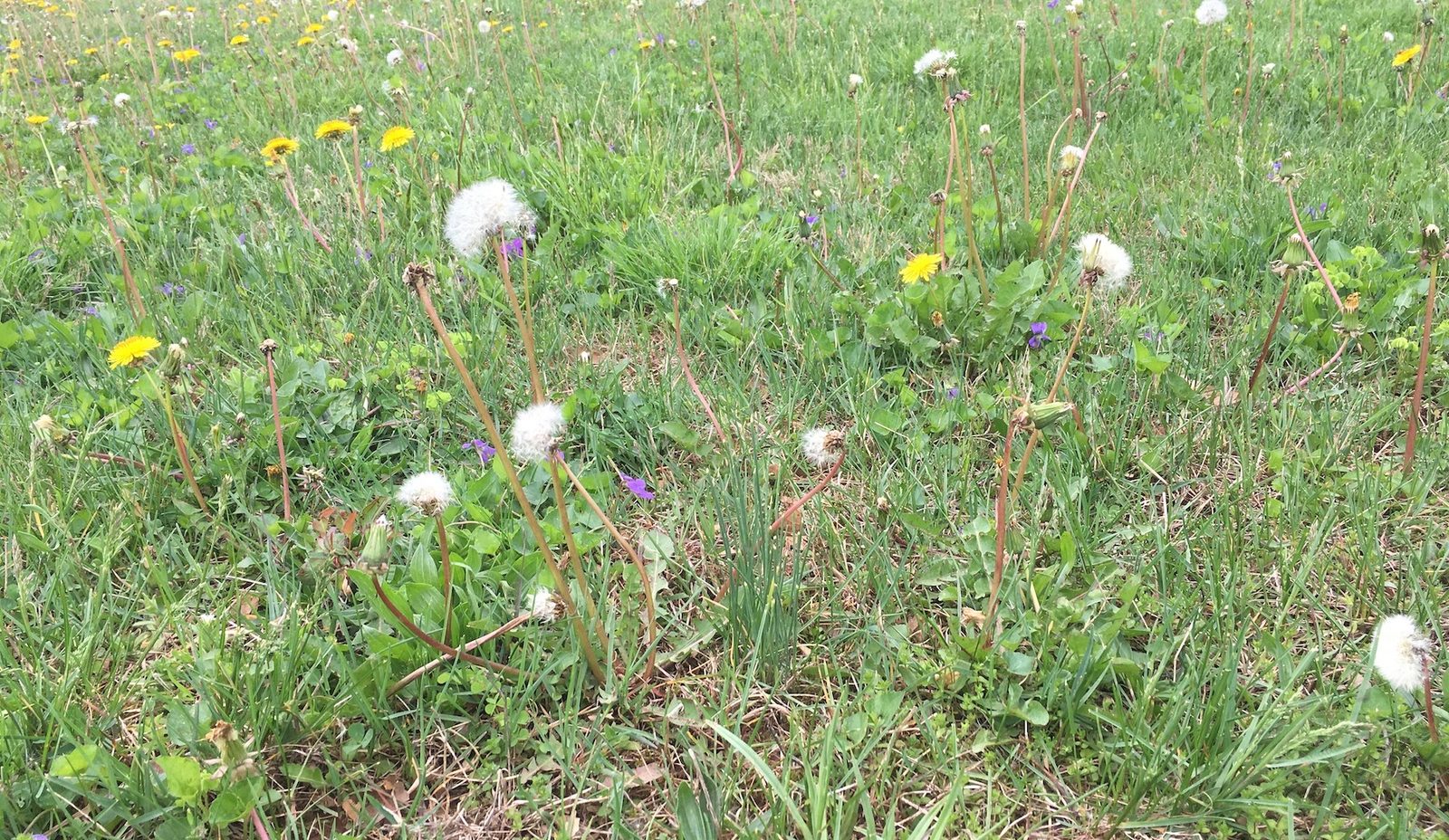
Most complaints about lawn care companies are not about the grass. They are about a company that did not show up, did not say what it applied, or quietly cut the materials to protect its margin. Knowing the eight patterns ahead of time makes a company easy to screen before you hand over a season of work.
Why the same complaints keep coming up
Lawn care is sold as a season, not a transaction. You pay for a series of visits spread from early spring to late fall, and most of what happens on those visits is invisible to you. You cannot look at a lawn and see how much nitrogen went down, whether the crabgrass pre-emergent was applied at the right soil temperature, or whether a grub product was applied at all. That gap between what you pay for and what you can verify is where every complaint below lives.
The eight complaints we hear most
1. Cutting corners on materials
Cheap seed with weed seed and undesirable grasses in the bag. Thin fertilizer formulations. Skipping the second crabgrass application. None of it shows up on the invoice, and all of it shows up in the lawn by July.
2. No notice before the visit
A technician arriving unannounced is a real problem, not a small courtesy issue. You need time to get kids off the swing set, bring the dog inside, pick up toys, and unlock a gate. A company that cannot send a notice the day before is telling you something about how it runs routes.
3. No record of what was done
You come home, the flag is in the lawn, and you have no idea whether they fertilized, treated weeds, or checked for grubs. Every visit should leave behind a note that states the service performed, the materials used, and anything the technician noticed. Without that record you cannot tell a good season from a bad one.
4. Missed visits
Weather moves schedules in this part of the country, and that is normal. Silence is not. A missed visit with no call and no reschedule is the complaint that most often ends a relationship.
5. Nobody answers
A phone number and an email address that nobody monitors is worse than having neither. One customer told us that with their previous company they had to drive to the office in person to get anyone to agree to come service the lawn.
6. Diluted or underapplied product
This is the one you genuinely cannot check. Whether a tech put down a full pound of nitrogen per thousand square feet or a tenth of that is not something a homeowner can measure. Your only protection here is the company's track record, so ask for references and read reviews that mention results over multiple seasons, not just friendliness.
7. No visible results
This complaint is sometimes fair and sometimes early. Selective herbicides generally take seven to fourteen days to visibly kill a broadleaf weed, and tough perennials like creeping Charlie and clover need repeated applications over a couple of months. A thin lawn being rebuilt from seed takes seasons, not weeks. Judge a program on the trend across visits, not on the week after a single application.
8. Technicians who cannot answer a question
When is the right time to seed here? Am I watering enough? Why is that corner thinning? A lawn care specialist standing in your yard should be able to answer that without checking with the office. Many cannot.
How to screen a company before you sign
- Call and see who picks up. How a company handles a cold call in March is a good preview of how it handles a problem in July.
- Ask what is in each visit. A real program names the visits. Ours includes five visits across the season, with the first round of fertilizer and weed control completed by Memorial Day.
- Ask how pre-emergent timing is decided. The correct answer is soil temperature, not the calendar. In Minnesota and Wisconsin that start date can land anywhere from March to May depending on the spring.
- Ask whether products are granular or liquid and why. A company that cannot explain its own material choices is not choosing them.
- Ask what happens if weeds come back between visits. We return to retreat persistent weeds at no charge, or we address them on the next scheduled visit.
- Ask for pricing in writing. Published pricing and a written proposal remove most future arguments.
- Read reviews across both metro areas. Look for reviews that describe a lawn over two or three seasons.
What you should actually expect
You should not have to chase a lawn care company. You should expect notice before a visit, a record after it, technicians who can explain what they did, and a lawn that is measurably better at the end of the season than it was at the start. You should also expect honest timelines. A lawn that has been neglected for years does not turn around in one application, and a company that promises otherwise is setting up the ninth complaint on this list.
Companies that work this way tend not to need lead generation platforms to find customers. They grow on referrals, and their technicians stay long enough to know which yards have the shaded north side and which have the irrigation head that settles every spring. If you want to see what that looks like on your property, start with a lawn care program quote and ask every question on the list above.
Bottom line
- Most lawn care complaints trace back to one gap: you pay for visits you cannot verify.
- Screen for communication first. Pre-visit notice, a record of what was applied, and a phone someone answers predict the rest.
- Ask how pre-emergent timing is decided. Soil temperature is the right answer, and in this region that means a March to May start.
- Give herbicides seven to fourteen days, and give tough perennials like creeping Charlie multiple applications.
- Get pricing and the visit schedule in writing before the season starts.
Frequently asked questions
How do I know if my lawn care company is actually applying what they charge for?
You cannot measure the rate yourself, so rely on documentation and track record. Insist on a service note after every visit listing the material applied, check reviews that describe results over multiple seasons, and watch whether the lawn improves visit over visit.
How many lawn care visits should I get in a season in Wisconsin or Minnesota?
Five visits across the season covers cool-season turf here, starting with a soil temperature based pre-emergent application in spring and finishing with a fall round, which is the best weed control window of the year.
Is lawn care worth paying for, or should I do it myself?
It depends on timing and equipment more than on products. The two things homeowners most often get wrong are applying pre-emergent too late and misapplying granular fertilizer because the spreader was never calibrated. If you are willing to handle both, a DIY program can work.
What should I do if my lawn care company stops responding?
Put the request in writing, keep a copy, and set a deadline. If the next scheduled visit passes without contact, stop prepaying and move on. Prepaid seasons with an unresponsive company are the hardest thing to unwind.
University of Wisconsin Division of Extension, Lawn Fertilization.


