


Spring Lawn Care Checklist for Minnesota & Wisconsin Yards

Spring lawn care in Minnesota and Wisconsin is mostly a timing exercise. The tasks are not complicated, but several of them have narrow windows, and a crabgrass application made two weeks late is money spent for nothing.
Rake lightly to open the canopy
Start by raking out the dead grass, leaves, and debris that got missed last fall or blew in over the winter. Go easy. The turf has been dormant for months and aggressive raking pulls up crowns along with the debris.
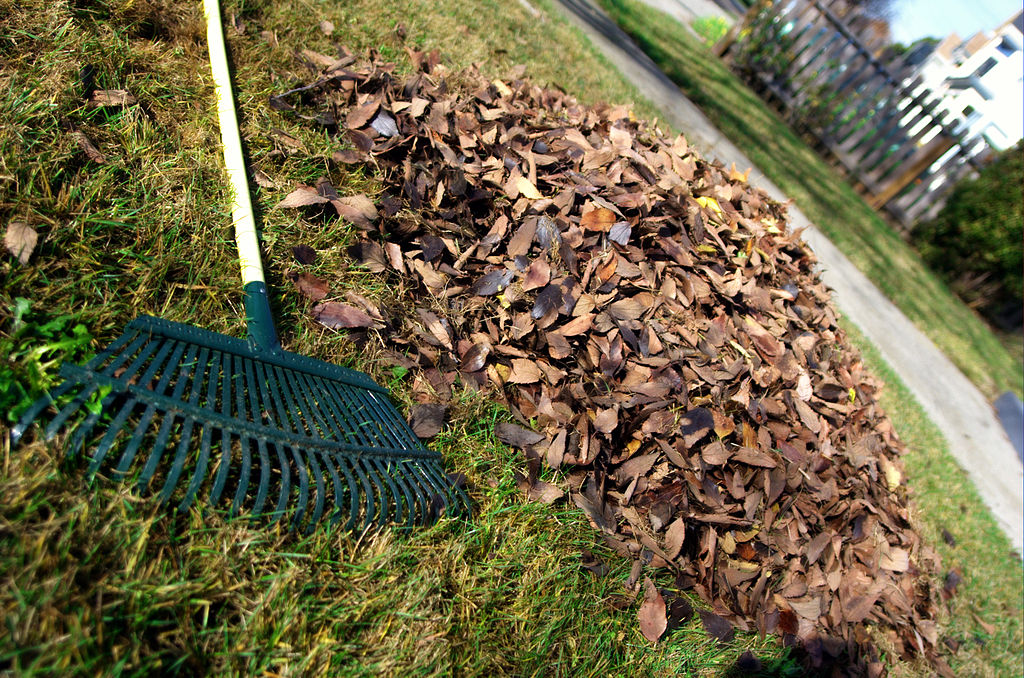
Pay attention to matted, gray, or crusted patches. That is usually snow mold, which develops under snow cover and shows up as the pack melts off. Keep raking those areas to break the matting apart and stand the blades up. Air movement through the canopy is what lets those patches dry out and recover, and most snow mold recovers on its own once the grass is growing.
Prep the mower before you need it
Sharpen the blade, change the oil, check the air filter, and air up the tires before the first cut. A dull blade tears the leaf tip instead of cutting it, which stresses the plant and leaves open tissue for disease. Sharpen again through the season, not once in April. Set the deck high, three to three and a half inches, and leave it there.
Apply crabgrass pre-emergent on soil temperature
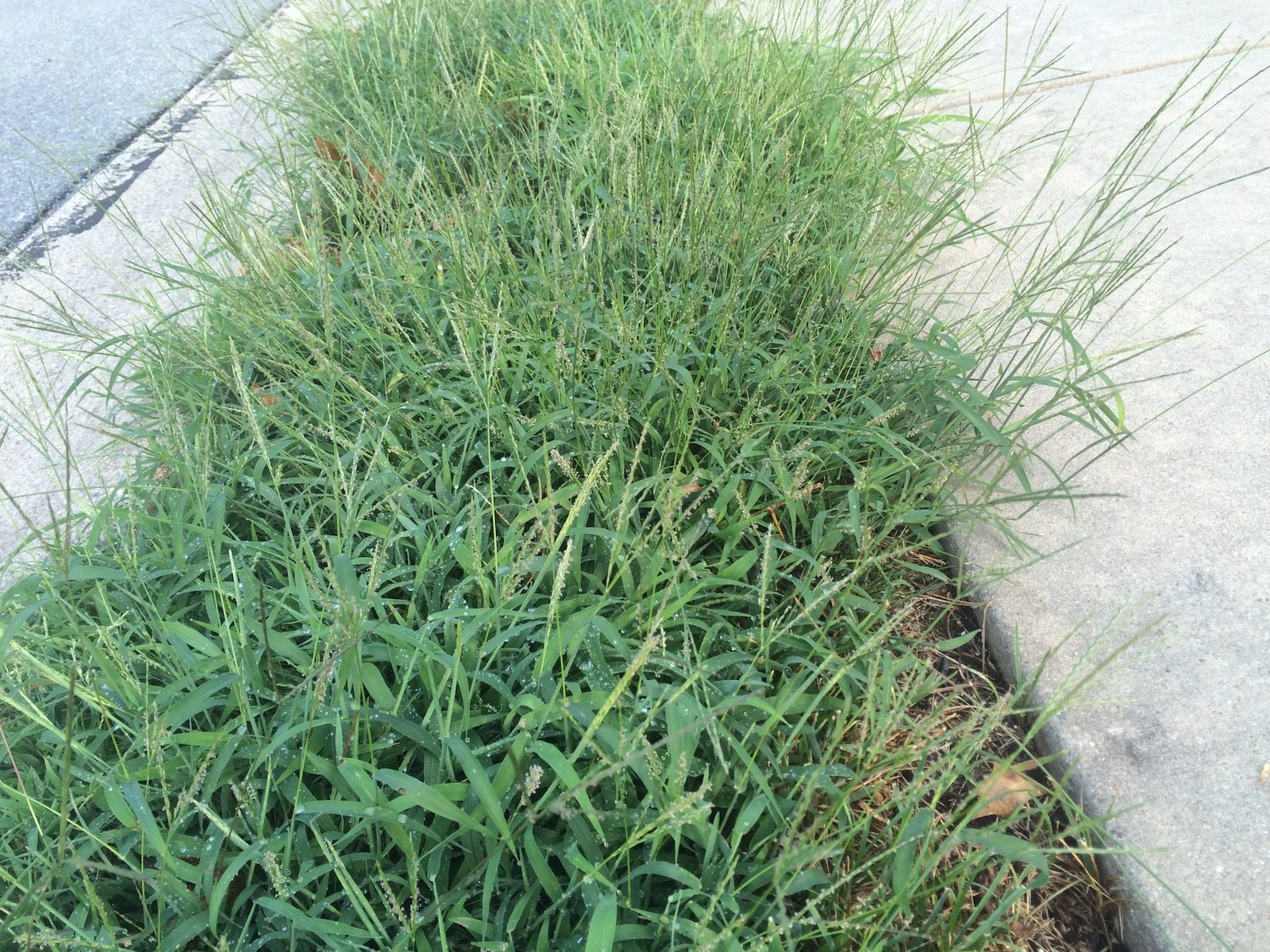
This is the task with the least forgiving window. Crabgrass is an annual that restarts from seed each year, so the whole strategy is to stop germination. The barrier has to be in place before seed germinates, and germination is driven by soil temperature rather than the date, which is why the start here can land anywhere from March to May depending on the spring.
You get two crabgrass treatments from RainMaster, one in early spring and a second in late spring. Crabgrass does not all germinate on one day, so a second application extends protection through the full window instead of staking the season on a single visit.
Get grub protection down early
Grubs eat grass roots and organic matter in the soil, killing off sections of lawn by eating the roots out from under the turf. Watch for these signs from last season:
- Animals digging. Raccoons, skunks, and birds tearing up the lawn are hunting grubs.
- Turf that peels. Grab a handful and tug. If it rolls up like loose carpet, the roots are gone.
- Spongy footing. Walking the lawn feels soft underfoot where the root mass has been chewed away.
At RainMaster you get Bee-Safe Grub Guard on the first visit in spring. A preventive material does not kill eggs; it establishes in the root zone and kills larvae as they hatch from midsummer into early fall. That is why duration matters so much. A short-lived product applied in spring is gone by the time the main hatch arrives, and many cheaper programs have exactly that gap. It is also selected with pollinators in mind rather than the broad-spectrum products common at retail.
Repair bare spots carefully
Fall is the better season to seed, but winter leaves damage that cannot wait a full season. Look for areas that are not recovering: snow mold patches that stay thin, salt burn along walks and drives, plow scrape at the ends of the driveway, dog damage.
Do not seed before Mother's Day. Earlier than that and frost or a hard freeze takes the seedlings. And there is the usual conflict: standard crabgrass pre-emergent prevents grass seed from establishing, so you normally cannot do both. Partner with RainMaster and you can, because we carry a professional-grade product that allows seeding and crabgrass control in the same spring. That one is not on the home improvement store shelf.
Fertilize and treat weeds before Memorial Day
Turf coming out of dormancy is pushing new growth and needs nutrients available at the root zone. Lawn weeds are doing the same thing, and the broadleaf perennials that overwintered are easiest to hit while they are small and actively growing. Target getting that first round of fertilizer and weed control finished by Memorial Day.
A few other spring items worth doing
- Start the irrigation system properly. A spring start-up checks each zone, catches heads knocked out of alignment by frost heave or a plow, and finds the leaks that developed over the winter. Have it set for cool, wet spring conditions, not for August. See irrigation service.
- Hold off on aeration. Core aeration is generally better in late summer or early fall for cool-season lawns, paired with overseeding.
- Clean up the edges. Clear leaf litter and tall growth along the lawn's border with woods or brush, which is where ticks concentrate.
- Walk the yard and take notes. The low spot that stayed wet, the corner that greened up last, the thin strip along the drive. Those notes drive the season's plan.
If reading the list is enough to make you dread spring, that is a reasonable reaction to a dozen tasks with narrow windows. Choose from three levels of lawn care programs based on the results you want, how fast you want them, and your budget, and let the timing be someone else's problem.
Bottom line
- Rake lightly to open the canopy and break up snow mold matting, but do not tear at dormant turf.
- Crabgrass pre-emergent is timed by soil temperature, so the start ranges from March to May; two applications cover the full germination window.
- Grub protection goes down in spring but has to still be active through the midsummer to early fall hatch.
- Spring seeding waits until about Mother's Day and normally conflicts with crabgrass pre-emergent unless a professional-grade combination product is used.
- Finish the first round of fertilizer and weed control by Memorial Day.
Frequently asked questions
When should I start lawn care in spring in Minnesota or Wisconsin?
Begin cleanup and mower prep as soon as the lawn is dry enough to walk without leaving prints. The first application is driven by soil temperature rather than the calendar, which puts it somewhere between March and May depending on the year.
Should I dethatch or aerate my lawn in spring?
Usually neither. Core aeration works better in late summer or early fall for cool-season grass, when recovery is strongest and it can be paired with overseeding. Spring aeration also opens soil to germinating weed seed.
What are the gray matted patches in my lawn after the snow melts?
Almost always snow mold, which develops under snow cover and is worst where snow piles linger. Rake the matting apart to let the area dry and get air moving, and most of it recovers once the grass starts growing. Badly killed patches get seeded.
How soon can I fertilize after the snow melts?
Wait until the lawn is actively growing and the ground is no longer saturated, then aim to have the first fertilizer and weed control round completed by Memorial Day. Applying to frozen or waterlogged soil mostly results in runoff.
University of Wisconsin Division of Extension, Lawn Fertilization.
University of Minnesota Extension, Fertilizing lawns.


