


Essential Lawn Care Tips for New Homeowners in Minneapolis

Standing in the lawn care aisle wondering which bag you are supposed to buy is a normal first season as a homeowner. Cool-season turf in Minnesota and Wisconsin is not complicated, but it is specific, and the handful of decisions that matter most are mowing height, watering depth, and the timing of what you put down.
The four habits that do most of the work
Mowing
Mowing low to buy yourself an extra week between cuts backfires. The leaf blade is where the plant makes its food, so every time you scalp it you take away the engine. Keep the finished height at three to three and a half inches early in the season and raise it to three and a half or four inches through July and August, and never remove more than one third of the blade in a single pass. Taller turf shades the soil, which keeps it cooler and makes it harder for weed seeds to germinate.
Watering
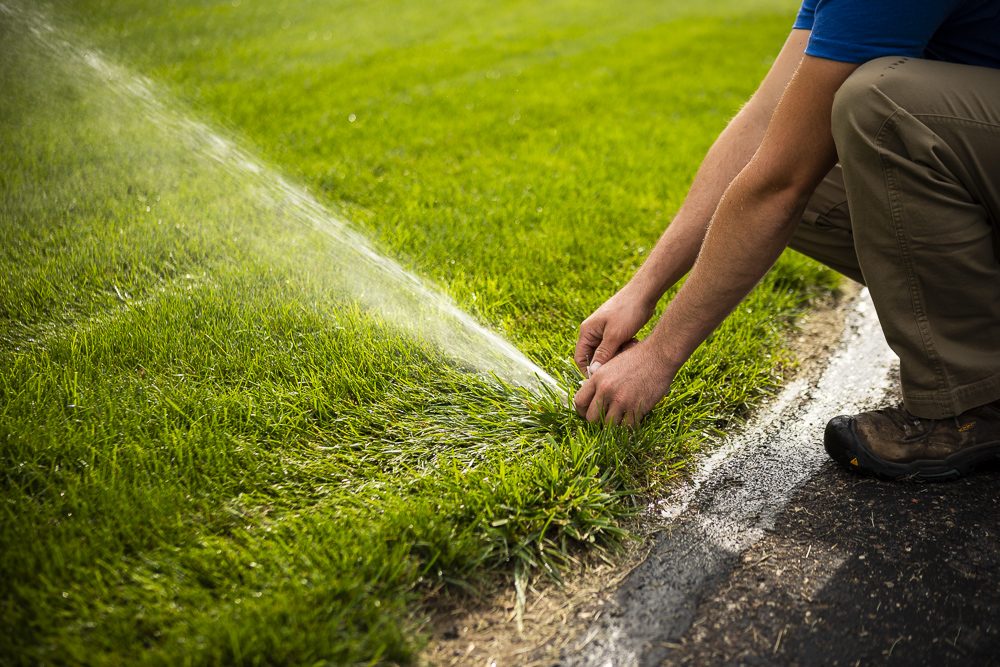
Grass wants about an inch of water per week including rainfall, and it wants that inch in one or two long soakings rather than a short run every morning. Deep, infrequent watering pushes roots down. Daily sprinkling keeps them shallow, which is exactly what you do not want in a hot, dry July. Finish watering by sunrise so the leaf canopy has the whole day to dry, which cuts disease pressure sharply.
Weed control
A thick stand of grass is the best weed control there is, because weeds establish in thin turf and bare soil. Where crabgrass is the problem, timing beats product selection: a pre-emergent has to be down before soil temperatures hold at 55 degrees, which in this region generally means mid-April into early May. Broadleaf weeds like dandelion and clover are treated after they emerge, and fall treatments work better than spring ones.
Fertilizing
Plan on the first application by Memorial Day and three or four more spread through the rest of the season, with the last one in fall. That fall feeding is the one people skip and the one that matters most, because it builds root reserves that show up as early green the following spring.
The three problems we see most in Twin Cities and Chippewa Valley lawns
Brown spots
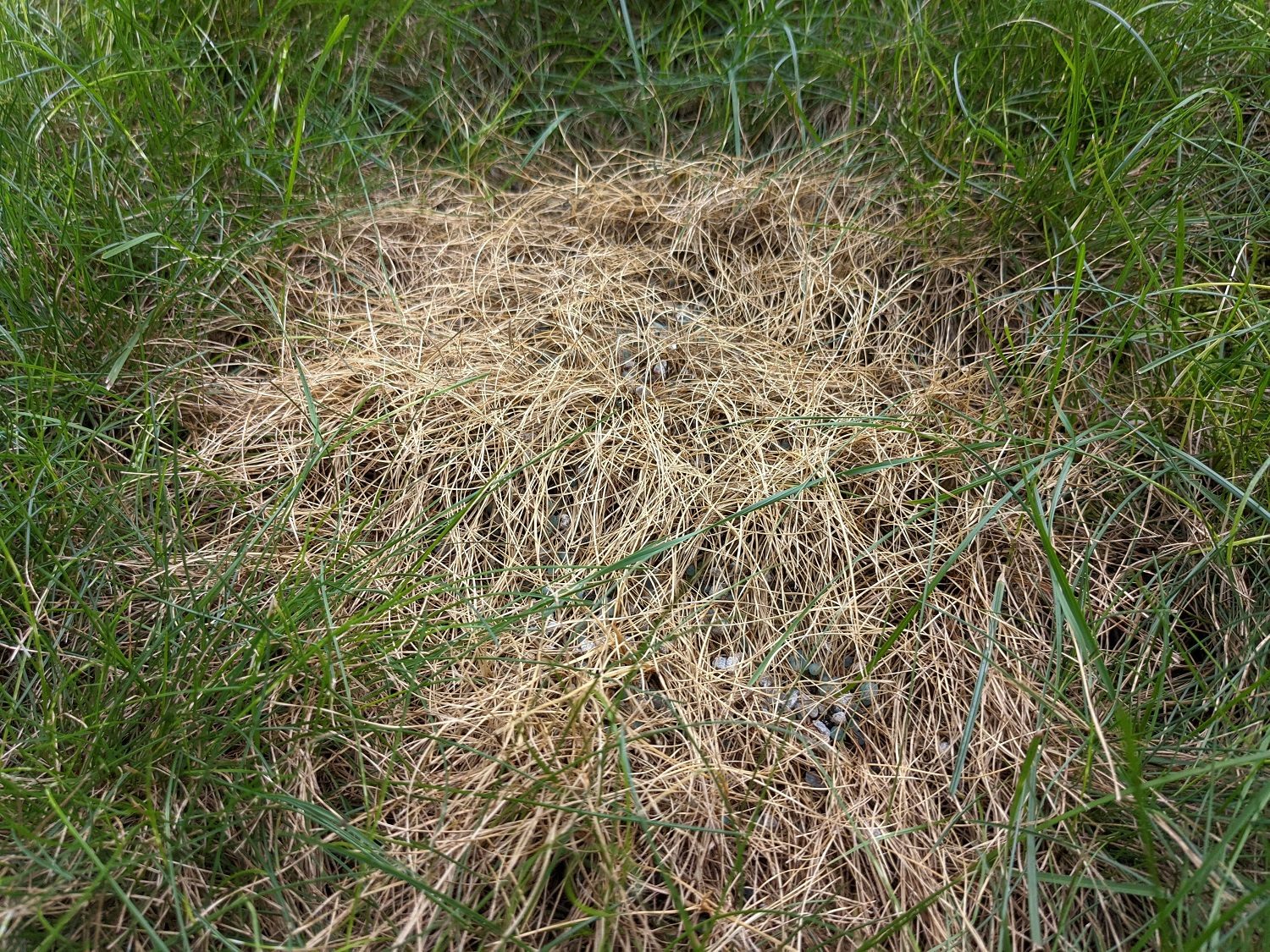
Brown spots are a symptom, not a diagnosis. They can mean drought stress, a fungal disease, grub feeding, dog urine, a sprinkler head that is not reaching that corner, or a mowing height that is too short. This is where DIY goes sideways: if you read drought and water more, but the real cause is a fungal disease, the extra moisture makes it worse and helps spread it.
Weeds
Different weeds need different products and different timing, and no single bottle handles all of them. Read the label and know whether what you bought is pre-emergent or post-emergent, because a pre-emergent will do nothing to crabgrass that has already sprouted.
Thin grass
Thin turf invites disease, insects, and weeds, so patchy areas are worth fixing quickly. The fix depends on the cause. Compacted soil needs core aeration. Thin shade needs more fescue in the seed mix. Off-balance soil pH needs lime, because fertilizer you apply to a lawn with the wrong pH largely goes unused.
Is a professional program worth it
The honest answer is that the value is less in the products and more in the diagnosis and the calendar. A trained technician knows which product to use, how much, and when to come back, which means fewer trips to the store, fewer half-used bags in the garage, and far less chance of burning the lawn with an uncalibrated spreader.
For a 5,000 square foot lawn in this market, plan on roughly $400 to $1,000 per year depending on the program level you choose. Judge a program by the amount of fertilizer and the services included, not the number of visits. Ten light visits do not beat five properly dosed ones.
What a good program includes
- An assessment visit first. Nobody can build a plan from the curb.
- A soil pH test up front. Applications do not perform correctly when pH is out of range, so this comes before anything else.
- Crabgrass prevention and broadleaf weed control timed to soil temperature, not to the calendar.
- Fertilizer applications through the season to build root mass, color, and density.
- Options at more than one level, because not every yard needs the full treatment. Our three programs are Luscious Lawn, Terrific Turf, and Healthy Habitat.
How to judge a lawn care company before you sign
The first phone call tells you a lot. Did somebody answer, and were they useful? Did they ask about your lawn or go straight to a pitch? If you only want the basics, is there a program for that, or is there only one package?
Then look at how they operate. Do they tell you when a technician is coming, or do you find a stranger in the back yard? Do they let you know what they applied and what they noticed? Do they call when weather pushes a visit? Those details are what separate a service you keep from one you fire in year two.
Bottom line
- Mow at three to three and a half inches early and raise to four inches in midsummer, removing no more than one third of the blade.
- Water about an inch per week in one or two deep cycles, finishing by sunrise.
- First fertilizer application by Memorial Day, three or four more after, including a fall feeding.
- Brown spots, weeds, and thin grass all have multiple causes. Diagnose before you treat.
- Expect roughly $400 to $1,000 per year for a 5,000 square foot lawn, and compare product amounts rather than visit counts.
Frequently asked questions
How much does lawn care cost in the Minneapolis area?
For a 5,000 square foot lawn, programs in this market generally run from about $400 per year for a basic fertilizer and weed control plan up to roughly $1,000 per year for a program that adds grub control, pH balancer, core aeration, and overseeding.
How many visits does my lawn need?
Quality matters more than count. Five or six properly dosed applications timed to the season will outperform ten light ones. Ask how much fertilizer the program actually delivers over the year.
When is the best time to start a new lawn care program?
Any time, but fall is the strongest starting point in this climate. Cool-season grasses grow hard in September and October, broadleaf weeds are pulling nutrients down into their roots so herbicides work better, and new seed has time to establish before dormancy.
Is professional lawn care safe around kids and pets?
Follow the re-entry interval on the application notice, which is usually about an hour or until treated areas are dry. After that, normal use of the yard is fine.
University of Minnesota Extension, Fertilizing lawns.
University of Wisconsin Division of Extension, Lawn fertilization.


