


8 Amazing Things a Smart Irrigation System Can Do
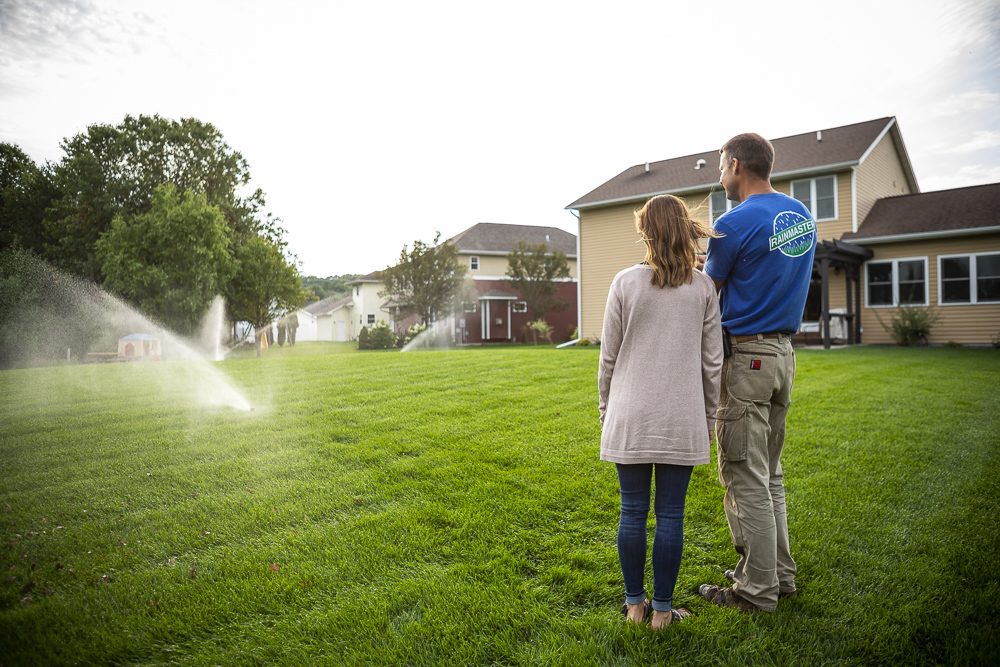
If your sprinkler system keeps running through a rain shower, or on a windy day when half the water lands on the driveway, the controller is the problem rather than the heads. Smart controllers changed how irrigation gets scheduled, and here are eight things they do that a basic timer cannot.
1. They cut water use, if you leave them alone
A properly configured smart controller can save thousands of gallons over a season, because it stops watering on a fixed calendar and starts watering based on conditions. The EPA's WaterSense program labels weather-based controllers that meet its water efficiency criteria, which is a reasonable shortlist to shop from.
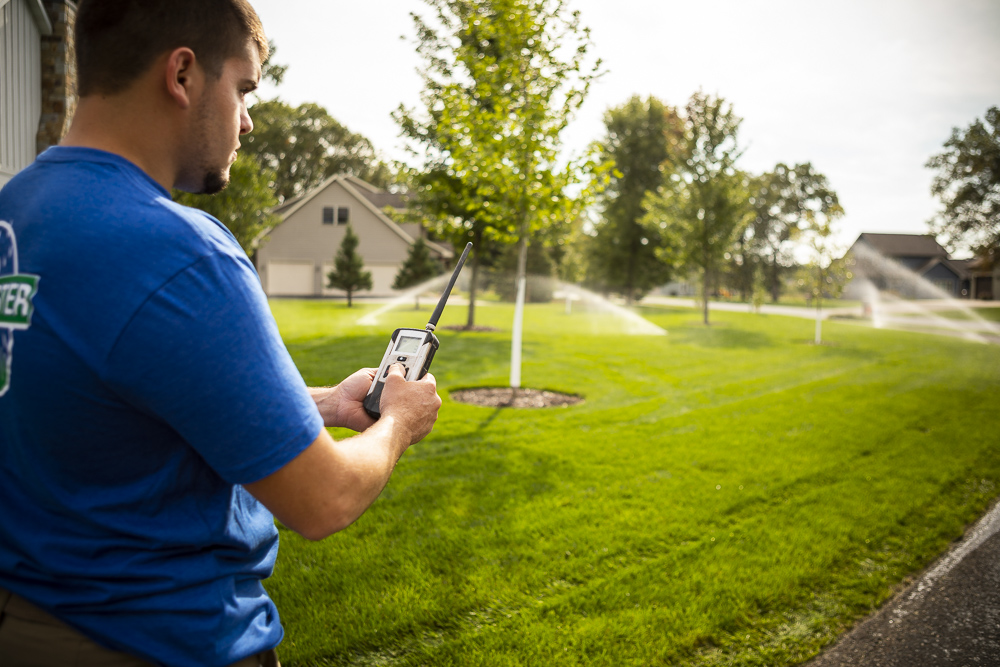
The catch is real: the savings come from letting the controller make the decisions. If you override it every few days, water manually on top of the schedule, or keep adjusting run times in the app, you give back the efficiency it was set up to deliver. We configure the controller around your property, soil, and plant types, and then the best thing you can do is leave it set.
2. They tell you when something is wrong
A smart controller flags problems instead of hiding them: a wiring fault, a valve that will not close, a flow reading that looks like a leak, a controller that has lost power. You hear about it the same day rather than three weeks later when a section of lawn has already gone brown.
You can add your irrigation company to those alerts. One of our customers was out of town when his system reported that the power at the house had gone out. Not only did we get his lawn watering again, he called a neighbor to check the house so the food in his refrigerator did not spoil.
3. You control the system from anywhere
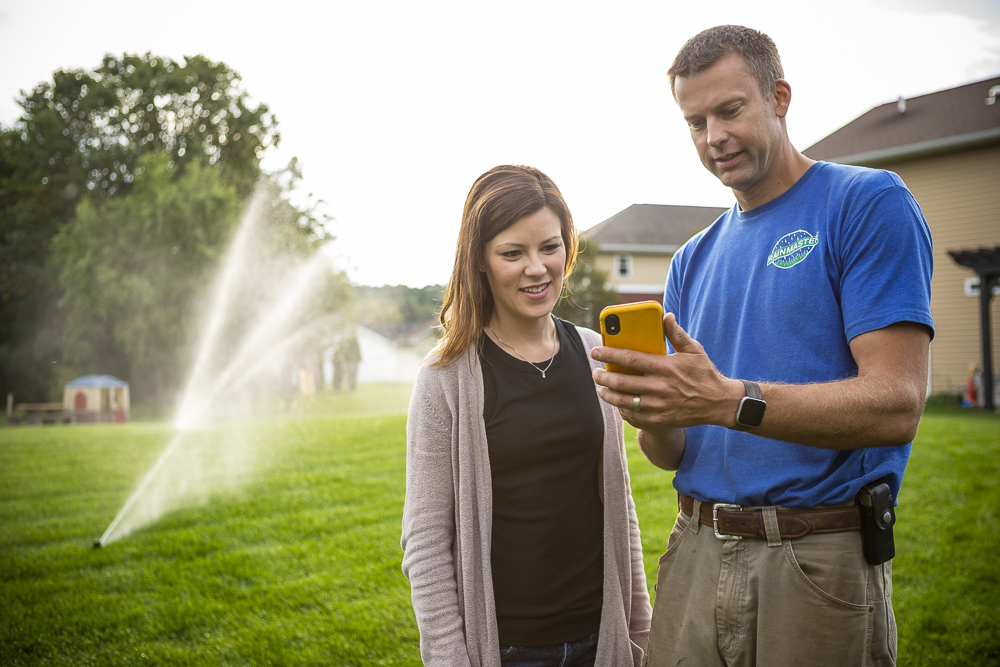
No more walking out to the garage or down to the basement to change a schedule. The controller runs from an app on your phone, tablet, or laptop. If you decide at work that you want to mow that evening, you can tell the system to skip the afternoon cycle so the lawn is dry when you get home.
You can grant us remote access as well, which means schedule changes and seasonal adjustments do not require anyone to be home.
4. They keep you posted
You get notifications about what the system actually did: when it ran, how long, which zones, and why it skipped a cycle. That record is more useful than it sounds. When a section of lawn starts thinning, the first question is always whether it is being watered, and the controller history answers it in seconds instead of guesswork.
5. They make decisions off the weather
A basic rain sensor shuts the system off once it is already raining. A smart controller goes further and skips the cycle when rain is in the forecast, which avoids the common waste of watering at 5 a.m. two hours before a storm. It also skips when wind would blow the pattern off target, and when temperatures are too cold for the water to do any good.
The Rachio Pro controllers we install pull from satellite, radar, and weather station data to make those calls, rather than relying on a single on-site sensor.
6. They water based on your plants and your soil
Smart controllers schedule around what is actually growing in each area and what the soil underneath it will hold. Established turf, new seed, shrub beds, and perennial borders all have different needs, and sandy soil near Eau Claire drains very differently from heavy clay in the Twin Cities. Slope matters too, since water runs off a grade before it soaks in.
The controller accounts for soil type, slope, plant type, and evapotranspiration, which is the combined water loss from soil evaporation and plant use. That is the calculation a fixed timer cannot make.
7. They work with the rest of your smart home
Rachio controllers are compatible with platforms like Nest, Amazon Alexa, and Google Assistant, so irrigation lives alongside the rest of your connected devices instead of being the one system with its own interface in the basement.
8. They customize schedules zone by zone
Zone control is where most of the practical water savings happen. One zone covers established lawn, another covers shrubs, another covers the patch of new seed that needs light, frequent watering until it germinates. A shaded north-side zone needs noticeably less than a full-sun strip along the south wall.
Running each of those on its own schedule stops the common problem of overwatering half the yard to keep the driest corner alive. It saves water and it produces better results in every area.
What a smart controller does not fix
Worth being direct about this: a smart controller schedules water intelligently, but it cannot correct bad coverage. If heads are misaligned, mismatched, clogged, or spaced too far apart, the system will distribute water unevenly no matter how good the schedule is. A controller upgrade works best alongside a spring startup and system audit that checks head performance, coverage overlap, and pressure.
In this climate it also does not replace a proper fall blowout. The controller is smart about weather, but it cannot push water out of the lines before the ground freezes.
Bottom line
- Smart controllers water on conditions instead of a calendar, and the savings depend on leaving the schedule alone once it is configured.
- They alert you and your irrigation company to leaks, wiring faults, and power loss right away.
- Weather-based skipping covers rain in the forecast, high wind, and cold, not just rain already falling.
- Zone-by-zone scheduling is where most of the real water savings show up.
- A smart controller cannot fix poor head coverage or replace a fall blowout.
Frequently asked questions
Can I add a smart controller to my existing sprinkler system?
In most cases yes. The controller is the brain, and it generally wires into the existing valve setup without replacing heads or piping. We check zone wiring and valve condition first, since a controller cannot compensate for a failing valve.
Does a smart controller still need a rain sensor?
It does not need one to skip for weather, because it pulls forecast and radar data. Some homeowners keep a sensor as a local backup, and local watering ordinances occasionally require one.
How much water will it actually save?
That depends on how your system was scheduled before, your soil, and your plant mix. A lawn previously watered on a fixed daily timer usually sees the largest change. We would rather set it up and show you the usage history than quote a number up front.
Do I still need a fall blowout with a smart controller?
Yes. Compressed air blowout before the ground freezes is still required in Wisconsin and Minnesota. No controller can remove water from the lines.
EPA WaterSense, Outdoor water use and watering tips.
Irrigation Association, Irrigation technology and contractor standards.


