


Alternatives to TruGreen in Minneapolis: How to Choose
If you are looking at alternatives to TruGreen in the Twin Cities, the useful comparison is not national versus local as a matter of principle. It is who shows up, how much training they have, what grade of product goes on your lawn, and whether you can reach the person who treated it. Those four things explain most of the price difference.
Price and what the low price buys
Everyone cares about cost, and the lowest bid in lawn care usually gets there the same way: cheaper inputs and less labor time per visit. When a large national operation prices below the local market, the savings are coming from somewhere, and that somewhere is normally product grade, staffing, or minutes on site.
Where a locally owned company spends more:
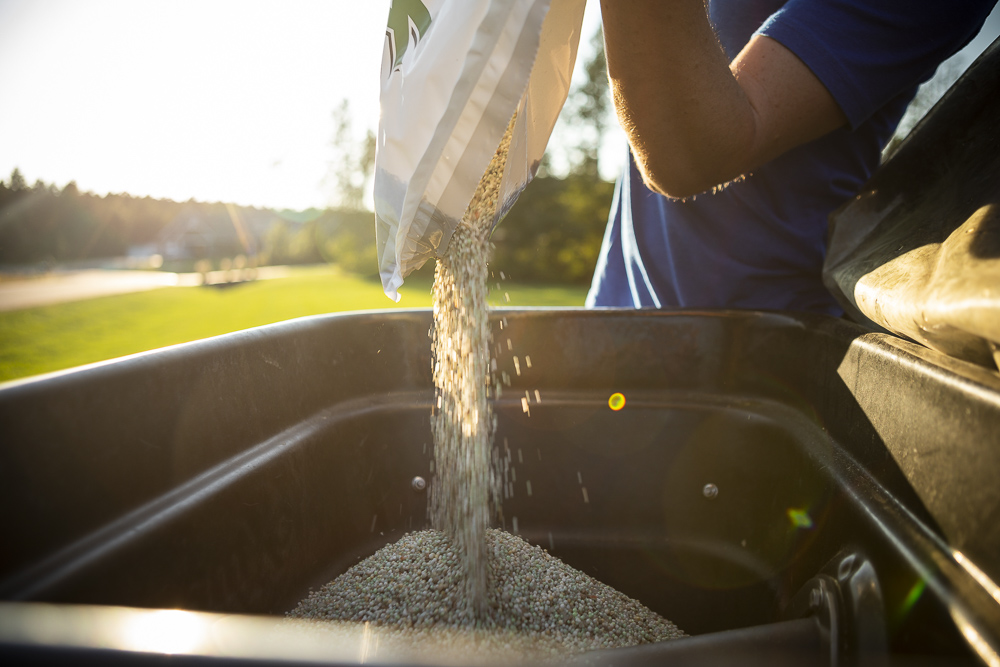
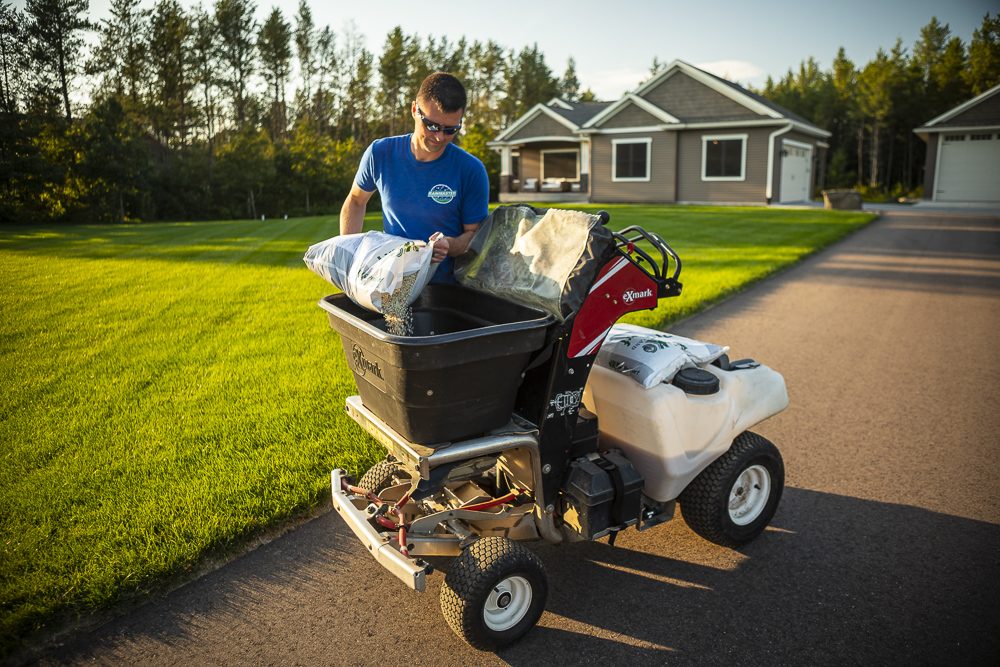
- Granular fertilizer instead of mostly liquid. It costs more and releases over weeks, which feeds the lawn steadily between visits rather than flushing and fading.
- Grub control chosen for lower pollinator risk. The cheaper grub materials carry higher risk to bees, and lawns are not sterile; clover, dandelion, and nearby plantings bring pollinators onto turf. The lower-risk products cost noticeably more per acre.
- Premium grass seed. Higher germination rate and cultivars bred for drought and disease tolerance, versus bargain seed carrying inert matter and off-type species.
- Proactive program design. Soil testing, pH correction, aeration, and timing applications to soil temperature rather than route convenience. All of that is labor, and labor is the expensive part.
That approach costs more per year. What it buys is a lawn that needs less rescue work, which is where the money goes on a cheap program anyway.
Can you talk to the person who treats your lawn?
This is a structural difference rather than a service-quality one. In a large organization, the person on your lawn and the person who answers the phone are in different systems. In a smaller one, you can ask for the technician who was there.
That matters for the questions that actually come up: when grub control should go down for your yard, why one weed keeps returning in the same strip, whether to water before or after an application, what the patch near the driveway is. Those get answered properly by the person who has stood on the lawn.
It also matters for scheduling. Knowing a day in advance lets you clear the kids' toys and put the dog inside. RainMaster sends email and text notifications before every service for that reason.
Who is on the truck, and how often does that change
National lawn care companies are known for high technician turnover, which means a different person may service your property each visit with no continuity of knowledge about it. TruGreen hires most technicians seasonally, so they are employed during the lawn care season and not outside it.
RainMaster technicians work year round. The off-season goes into training: coursework, certifications, and webinars with turf professionals around the country. Our team includes people with horticulture degrees and decades of field experience.
The practical payoff is diagnosis. Brown patches in a Minneapolis lawn in July could be grub feeding, one of several fungal diseases, drought stress from a dry sprinkler zone, dog urine, or fertilizer burn. Each one calls for a different response, and several look alike from a truck window. The difference between a trained diagnostician and a seasonal applicator is whether the right thing gets done.
Expert recommendations, not just applications
A good program produces information along with product. The technician should be telling you that the shaded north side holds dew until midday and is at risk for disease, that one zone is clearly dry, that the thin area under the maple is a light problem and not a fertility problem, and that compaction along the walkway needs aeration.
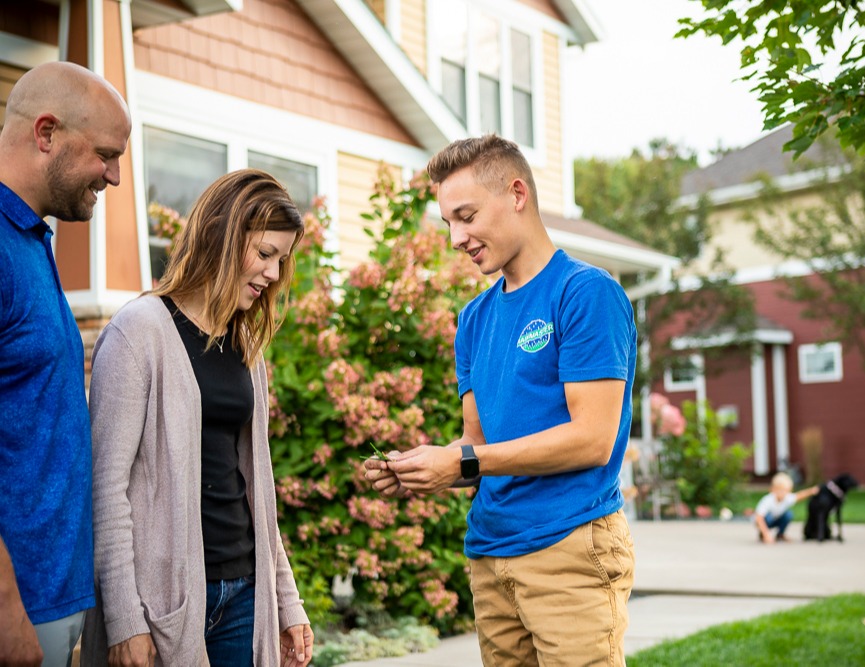
Ask any company what recommendations you can expect and how you will receive them. RainMaster specialists call you after finishing to say what was done and what they saw. It is rare in this industry and it is where most of the value sits.
The details that make service feel personal
Smaller operations usually win on the specifics, simply because they can:
- A phone call after every visit describing what was applied and recommending next steps.
- Sprinkler head flagging at aeration. On our highest-level aeration service we flag heads so the aerator does not strike them, then reset the irrigation controller for the frequent light watering new seed needs and set it back when the seed is established.
- Advance notification by email and text before every service visit.
- One point of contact who knows your property's history.
Program options in the Twin Cities
RainMaster builds programs around total lawn health starting below the soil surface: healthy soil, healthy roots, dense green grass, fewer weeds. There are three levels so you can match it to results and budget.
Luscious Lawn is the high-end proactive program, for the fastest, strongest results and for lawns that need real help. Terrific Turf is the mid-level and most popular option, built for a thick green lawn that handles most common problems. Healthy Habitat is the basic plan with the elements a better lawn requires.
Program details and pricing are published on our site, so you can line them up against any national quote without a phone call. We have served the Twin Cities and the Chippewa Valley since 1999. See lawn care, check locations, or call 888-839-8484.
Bottom line
- The lowest price usually comes out of product grade, staffing, or time on site. Ask which.
- TruGreen hires most technicians seasonally; RainMaster staff work year round and train through the off-season, which shows up in diagnosis accuracy.
- Ask whether you can reach the technician who services your lawn, not just a call center.
- Compare specifics: fertilizer type, grub product pollinator risk, seed grade, soil testing, and whether timing follows soil temperature or route dates.
- RainMaster offers three published programs, Luscious Lawn, Terrific Turf, and Healthy Habitat, with pricing on the site.
Frequently asked questions
What should I look for in an alternative to a national lawn care company?
Year-round trained technicians rather than seasonal hires, access to the person who treats your lawn, granular fertilizer and targeted liquid weed control, a grub product chosen for lower pollinator risk, premium seed, and applications timed to soil temperature.
Why do local lawn care companies often cost more?
Because the inputs and labor cost more: granular fertilizer, lower-risk grub control, premium seed, soil testing, and more time per visit. A cheaper program usually spends less on at least one of those.
Does it matter if technicians are seasonal?
It matters for diagnosis. Brown patches can be grubs, several different fungal diseases, a dry irrigation zone, dog urine, or fertilizer burn, and they look similar. Experience is what separates treating the cause from treating a guess.
Will I get recommendations or just applications?
Ask directly. A good company tells you what it saw: dew that lingers on a shaded side, a dry sprinkler zone, compaction along a walkway, a thin area that is a light problem rather than a fertility problem. RainMaster technicians call after each visit with what was done and what they noticed.
University of Minnesota Extension, Fertilizing Lawns.
University of Wisconsin Extension, Lawn Fertilization.


