


8 Steps to Fixing Your Ugly Lawn: Advice for Homeowners in MN & WI
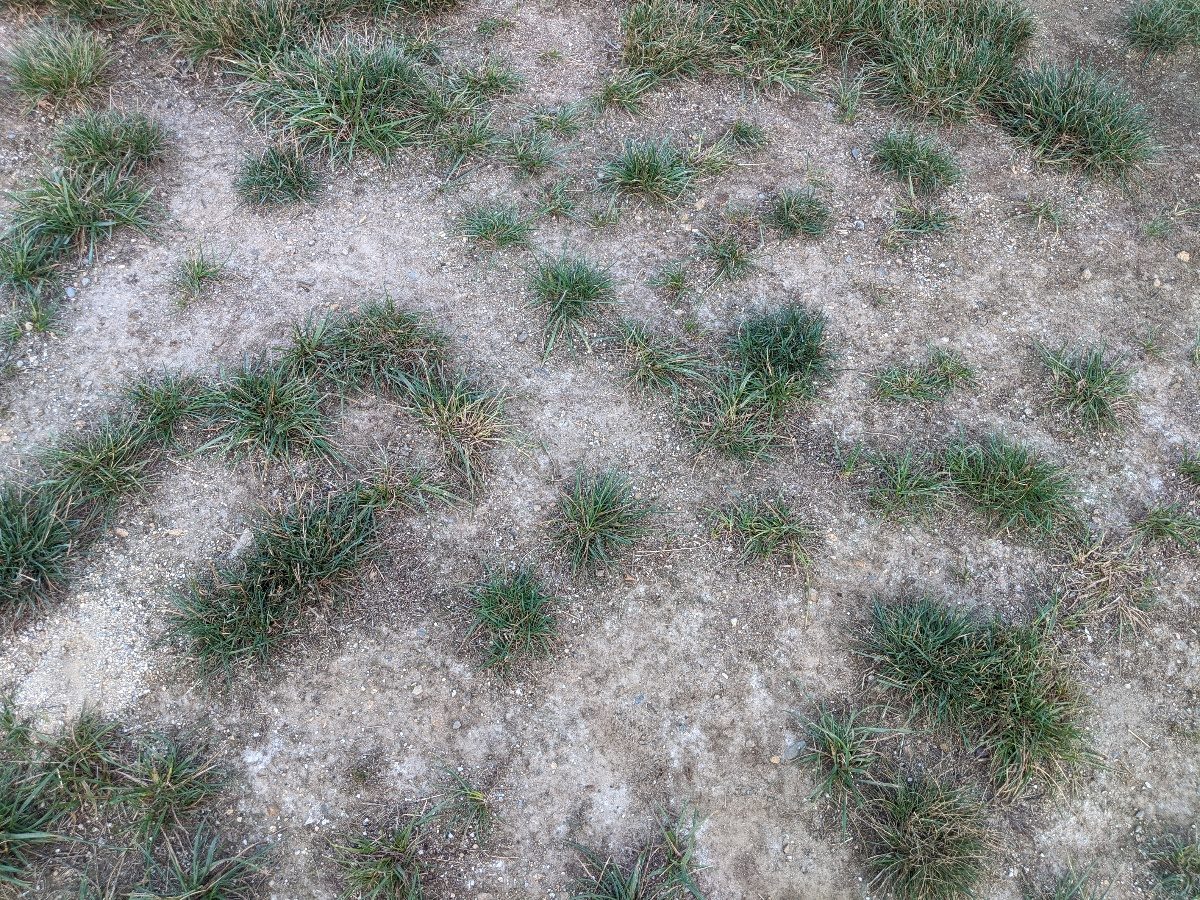
A bad lawn is almost never one problem. It is usually a hungry, compacted, scalped, badly watered lawn with a weed population that moved into the gaps. The repair order matters, because fixing the symptom before the cause just buys you a season.
1. Feed it
A thin, off-color lawn is often simply underfed. Nitrogen drives the shoot and rhizome growth that fills a stand in, and it has to arrive across the season rather than in one spring dose.
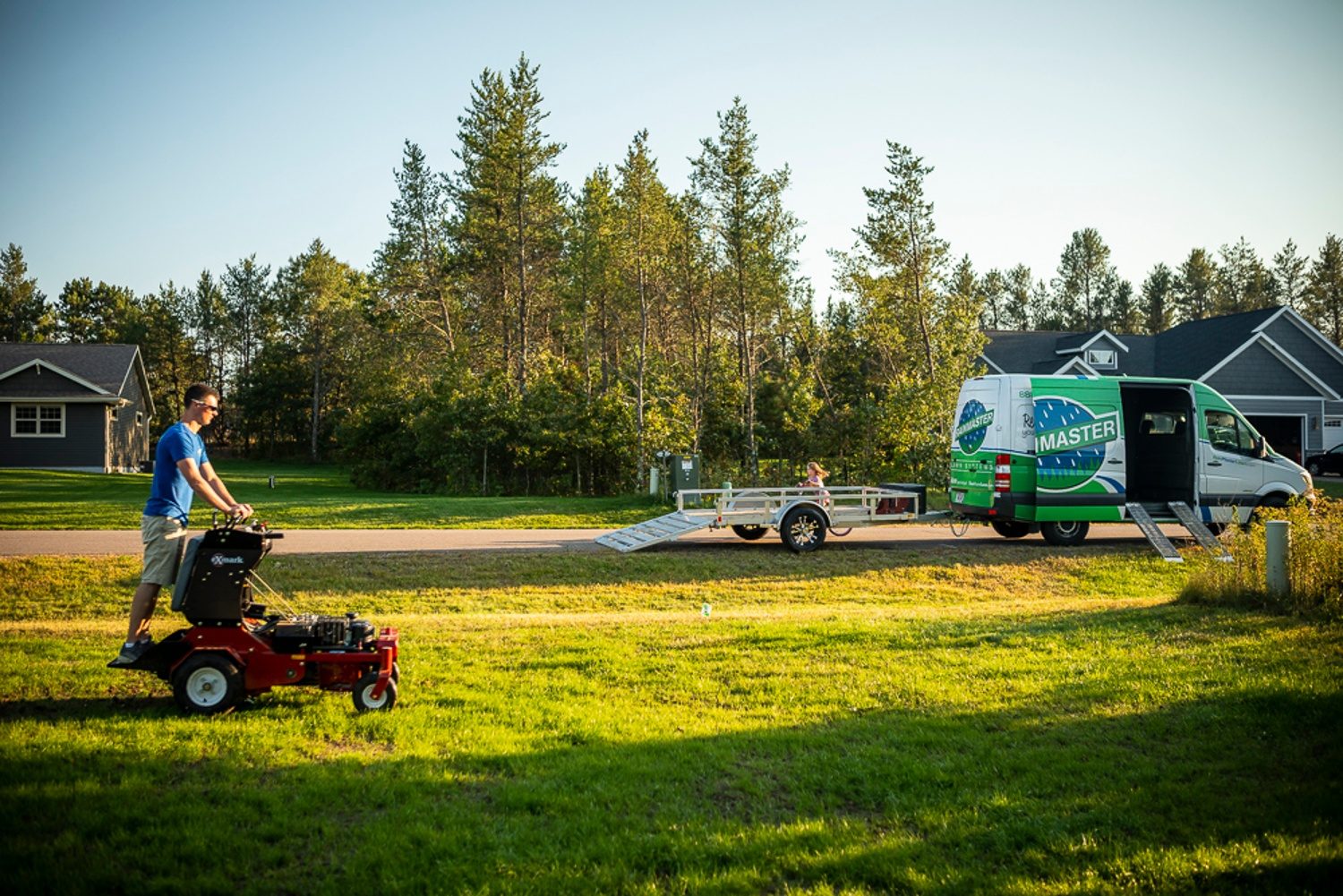
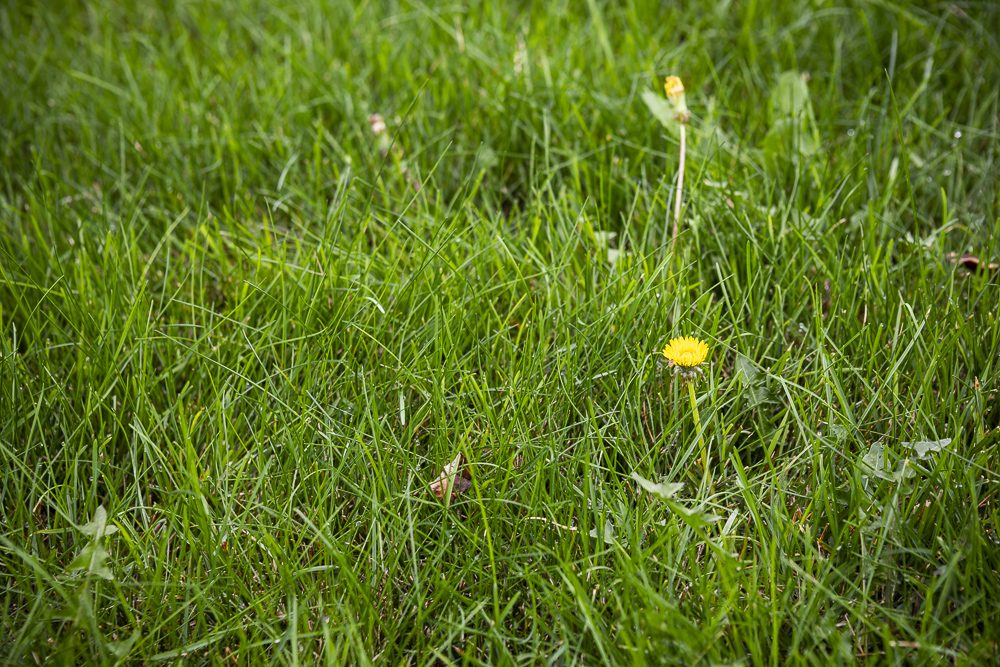
The schedule that works here: first round of fertilizer and weed control down by Memorial Day, at least three more applications through summer, and a fall application that people routinely skip. In September and October top growth slows but roots stay active, storing energy that determines how the lawn comes out of winter and how it starts in May.
Use granular fertilizer. It costs more than liquid and releases slowly as the prills break down, which feeds steadily instead of spiking. Blends containing organic matter also improve soil structure over time. RainMaster uses premium professional-grade granular formulations.
2. Get the weeds out
Weeds occupy ground your grass could be filling, and they compete for the same water and nutrients. There are two tools and they work at different times.
Pre-emergent targets weed seeds as they germinate, before anything is visible. It is the only effective approach for crabgrass, and the timing is unforgiving: the barrier has to be in place before soil temperatures reach the mid 50s. RainMaster makes two crabgrass applications, early spring and late spring, because one holds for only about six weeks and the germination window is longer.
Post-emergent kills weeds that are already up. Different species are active at different points in the year, and many of the worst spring weeds germinated the previous fall, which is why the comprehensive lawn care programs include five visits across the season rather than one spray in May.
Follow label timing and rates on anything you apply yourself. Off-label timing is how homeowners waste both the product and the season.
3. Let it breathe
Compaction is invisible and it limits everything else you do. In tight soil, roots cannot take up water or nutrients efficiently, the stand thins from below, and disease and weeds move into the openings.
Core aeration pulls plugs of soil out of the lawn and leaves open channels so air, water, and fertilizer reach the root zone. It also speeds the breakdown of thatch, the layer of dead stems, crowns, and roots between the green canopy and the soil. Once thatch passes about half an inch it starts holding water at the surface instead of letting it through.
Aerate once a year, and overseed immediately afterward. The open holes give seed real soil contact rather than letting it sit on thatch, and late August through mid September is the window here. Buy quality seed; cheap bags carry weed seed and coarse species you will live with for years.
4. Deal with grubs
White grubs are beetle larvae: white, C-shaped, with visible legs near the head. They feed on grass roots and soil organic matter, and a heavy population eats enough root mass that patches of turf pull up like loose carpet. The damage looks like irregular brown areas, which is why it gets mistaken for drought and watered.
Control is preventive. The material goes down ahead of egg hatch so it is present in the root zone when young larvae begin feeding. Preventive products do not kill the eggs themselves, which is why the timing is the whole strategy rather than the product. RainMaster applies Bee-Safe Grub Guard at the first spring visit, and the material carries through the growing season.
5. Handle the fungus
Lawn disease in Minnesota and Wisconsin is condition-driven: a canopy that stays wet, poor airflow, and grass already stressed. The common ones each tell you something different.
Red thread shows pink or reddish threadlike strands on the leaf tips. It is a cool, wet-weather disease, active in spring and fall rather than midsummer, and strongly tied to low nitrogen, so adequate fertility usually grows it out. Dollar spot makes small bleached patches with a reddish-brown border and also favors low nitrogen. Brown patch is the opposite, a warm-weather disease worsened by heavy nitrogen going into heat.
Most of these clear when the weather moves out of the pathogen's range, and the grass fills back in. Prevention is mowing height, watering timing, airflow, and correct fertility. Where a lawn has a documented history of the same disease every year, a preventive fungicide applied ahead of the risk window makes sense. Otherwise it is treated when it appears, if you would rather not wait it out.
6. Mow tall
If you think a short lawn looks tidier, this is the habit to change. Every cut removes leaf surface the plant uses for photosynthesis, and taking too much starves it. Never remove more than one third of the blade in a pass.
Hold three to four inches, taller in July and August. Taller grass shades the soil, which keeps weed seeds from germinating and keeps root-zone temperatures down; short grass heats the soil and does the reverse. Keep the blade sharp, since a dull blade tears the leaf tip and a ragged edge loses more water and heals slower.
7. Water for root depth
Watering habits decide where the roots live. Daily watering keeps the top inch wet and gives roots no reason to go deeper, so the lawn shows drought symptoms the first hot week despite being watered constantly.
Water deeply in longer cycles on fewer days, about an inch per week including rainfall, and finish by sunrise. Wind rises through the day and carries droplets off target, sun evaporates water before it infiltrates, and evening watering leaves the canopy wet overnight, which is how fungal disease starts.
Reprogram the controller as the season changes. A schedule set in cool, wet May and left alone through a 90 degree stretch in July is one of the most common causes of a bad lawn. If some areas are always worse than others, have the coverage checked with an irrigation inspection rather than adding run time everywhere.
8. Get a diagnosis
The reason ugly lawns stay ugly is that homeowners treat what they can see. Thin grass over a buried construction scar, nutsedge in one wet corner, grub feeding under intact turf, a head soaking a shaded area every night: these look alike from the porch and need different fixes.
Five scheduled visits a season means five chances for someone trained to catch a problem while it is small. That is most of what a program is actually buying.
Bottom line
- Feed across the season with granular fertilizer, including a fall application, rather than one spring dose.
- Use pre-emergent before soil hits the mid 50s for crabgrass, and post-emergent for what is already growing.
- Core aerate annually and overseed immediately after, late August through mid September.
- Preventive grub material works because it is in the root zone when eggs hatch and larvae begin feeding, not because it kills eggs.
- Mow at three to four inches with a sharp blade and water deeply on fewer days, finishing by sunrise.
Frequently asked questions
How long does it take to fix a bad lawn?
One full season for visible improvement, two for a genuine turnaround. Fertility and weed control show up within weeks; density from aeration and overseeding arrives the following spring.
Should I start over and reseed the whole yard?
Rarely. Unless the stand is more than about half weeds or undesirable grasses, aeration plus overseeding into the existing lawn in the fall window gets you there with less cost and less risk.
How do I know if I have grubs?
Cut a square foot of turf along the edge of a brown area and peel it back. Grubs are white, C-shaped, and obvious. Damaged turf also lifts easily because the roots have been eaten off.
Is my brown patch disease or dry grass?
Drought covers whole exposed areas, follows sun and slope, and greens up after watering. Disease shows defined patches, rings, or spots with lesions on individual blades, and gets worse with more water.
University of Wisconsin Division of Extension, Lawn Establishment and Renovation.
University of Wisconsin Division of Extension, Lawn Fertilization.


