


7 Tips to Get Rid of Crabgrass at Your Home in Wisconsin or Minnesota

Crabgrass is an annual, which means every plant you see this summer came from seed, and every plant you let go to seed sets up next summer. That makes crabgrass control a timing problem more than a product problem. Here is how to get ahead of it in a Wisconsin or Minnesota lawn.
First, understand what crabgrass is
Crabgrass is a warm-season annual grass. It germinates in spring as soil warms, grows through the heat of summer when cool-season turf is slowing down, produces an enormous amount of seed, and dies with the first hard frost. A single plant can produce as many as 150,000 seeds in one season, and those seeds stay viable in the soil for years, so even a clean-looking lawn has a seed bank waiting.
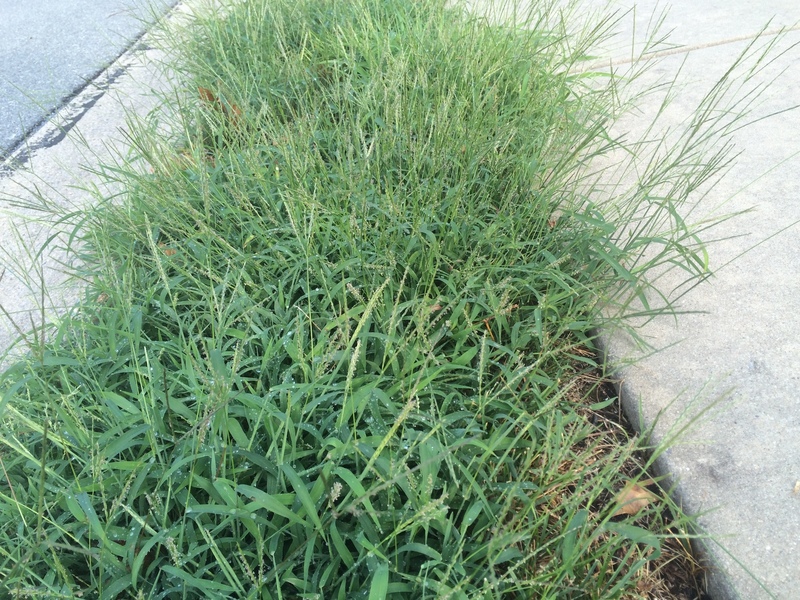
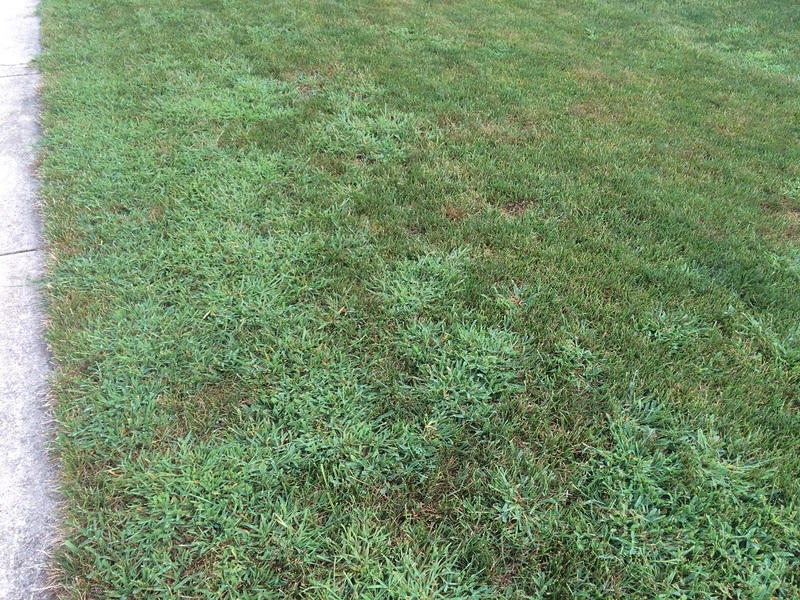
Identifying it is straightforward once you know the habit. Crabgrass blades are wider and lighter green than the surrounding turf. It grows in a low clump with stems radiating outward along the ground rather than upright, which is where the name comes from. It shows up first in the hottest, driest, thinnest parts of the lawn: along driveways and sidewalks, in strips next to pavement, and anywhere the turf is bare.
The best crabgrass preventer is a thick lawn
Crabgrass seed needs light and warm soil at the surface to germinate. A dense canopy of cool-season turf denies it both. That is why the same lawn practices that produce a thick stand also produce fewer crabgrass plants, and why a thin lawn needs herbicide every year just to hold even.
1. Mow high
The instinct is to scalp crabgrass down. It does not work, because crabgrass grows prostrate and the mower passes over most of it. Worse, cutting short exposes soil to sun, raises surface soil temperature, and triggers more germination.
Mow at 3 to 3.5 inches, raising to 3.5 or 4 inches through July and August. Taller turf shades soil, roots deeper, and competes. Never remove more than a third of the blade in one cut.
2. Water correctly
A lawn that is too dry thins out and opens ground for crabgrass. A lawn kept constantly wet with short daily cycles grows shallow roots and also thins under heat stress. Either way the weeds win.
Water deeply and infrequently, about an inch a week including rain, delivered early in the morning. A professionally installed irrigation system makes that consistent. If that is not in the budget, hoses, timers, and sprinklers done properly beat an unwatered lawn by a wide margin.
3. When to apply crabgrass preventer
Pre-emergent herbicide works on seeds as they germinate, so it has to be in place before germination starts. Crabgrass germination is driven by soil temperature, not the calendar: it begins when soil at the surface holds consistently in the mid-50s Fahrenheit. In Wisconsin that can land anywhere from March to May depending on the spring.
Most companies make one spring application. At RainMaster, serving Eau Claire and the Twin Cities, we make two: one in early spring and a second in late spring. The reason is that crabgrass does not germinate all at once. It emerges in waves from early spring through summer, and a single application loses strength before the later flushes arrive. Two applications hold the window open longer.
One important conflict: pre-emergent prevents desirable grass seed from establishing too. You cannot apply pre-emergent and seed the same area in the same window with consumer products.
4. Spot spray breakthrough
Even with pre-emergent down, some plants get through, typically in thin areas and along hard edges where soil runs hottest. Post-emergent crabgrass herbicide handles those, and it works far better on young plants than on mature clumps that have already tillered out. Curative spot treatment generally runs June through August here.
By fall, spraying crabgrass is no longer worth doing. The plants are too mature to control cleanly and frost will kill them anyway. What matters in fall is thickening the turf so there is less open ground next spring.
5. Use products that actually work
Products labeled as crabgrass preventer are not interchangeable. Active ingredients differ in how long they persist, which germination windows they cover, and how they behave on different soils. Keeping up with current research usually means paying more than the twenty-year-old standby that budget programs and store brands lean on to keep costs down.
The same applies to fertilizer and seed. Low-grade granular fertilizer and cheap seed will not build the dense stand that keeps crabgrass out, which puts you back to relying on herbicide every year.
6. Work from a plan, not a reaction
Preventing crabgrass is far easier than removing it, and a plan beats a response. A complete program sequences the whole year: pre-emergent timed to soil temperature in early spring, a second pre-emergent in late spring, post-emergent spot treatment through summer, fertilizer at the right intervals, and aeration and overseeding in late summer to close the gaps crabgrass would have used.
And no, a healthy lawn does not let you skip pre-emergent. The seed bank is still in the soil, and all it needs is one thin patch and a warm spring.
7. Hire a company you can hold accountable
Crabgrass control is a timing discipline. It depends on someone tracking soil temperature in your area, showing up in the right window rather than on a convenient route day, and adjusting when spring arrives early or late. That is the practical difference between programs.
RainMaster has worked on lawns in the Chippewa Valley and the Twin Cities since 1999, and our lawn care programs are built around soil and root health first: feed the soil, build the roots, and the thick turf that follows does most of the weed control for you.
Bottom line
- Crabgrass is a summer annual that reseeds heavily, so control is about timing, not product strength.
- Time pre-emergent to soil temperature in the mid-50s Fahrenheit, which can mean March through May in Wisconsin. RainMaster applies it twice, early and late spring.
- Pre-emergent also stops grass seed, so you cannot seed and prevent crabgrass in the same window.
- Mow at 3 to 3.5 inches, going to 3.5 to 4 inches in midsummer. Scalping raises soil temperature and triggers more germination.
- Spot treat breakthrough June through August while plants are young. By fall, spraying is pointless and frost will finish them.
Frequently asked questions
When should I apply crabgrass preventer in Wisconsin?
Before germination, which starts when surface soil temperatures hold consistently in the mid-50s Fahrenheit. Depending on the spring that falls anywhere from March to May. A second late-spring application extends coverage through the later germination flushes.
Can I seed my lawn and apply crabgrass preventer the same spring?
Not with consumer products. Pre-emergent prevents grass seed from establishing along with crabgrass seed. Either skip the pre-emergent in the seeded areas or have a professional use a product labeled for new seedings.
Does mowing short help control crabgrass?
No, it makes it worse. Crabgrass grows low and flat, so the mower misses most of it, and cutting short exposes and warms the soil, which is exactly what triggers germination. Mow at 3 to 4 inches instead.
Is it worth spraying crabgrass in the fall?
No. By then the plants are mature, control is poor, and frost will kill them anyway. Fall effort is better spent on aeration, overseeding, and fertilizer so the lawn is dense enough to resist next spring's germination.
University of Wisconsin Extension, Crabgrass Management in Lawns.
University of Minnesota Extension, Mowing Practices for Healthy Lawns.


