Spring Lawn Care in Wisconsin & Minnesota: Wake Your Lawn Up the Right Way

What you do in April and May determines how the lawn handles July. Spring is recovery season after months of snow cover, frozen ground, salt, and compaction, and the lawns that come through summer well are the ones that got fed, treated, and set up for water before the heat arrived.
Why spring sets the whole season
A lawn coming out of a Wisconsin or Minnesota winter has been through snow cover, frozen soil, ice, road salt along the edges, compaction, and repeated freeze-thaw cycles. It is stressed and it is starting from behind.
What it needs in spring is specific: fertilizer at the right time, broadleaf weed control, crabgrass pre-emergent timed correctly, soil support where the soil needs it, root development, and a watering plan that is ready before the lawn needs it. Skip that and the lawn may survive the season without ever really performing.
Step one: clean up winter damage
Melt exposes what the snow was hiding. Common finds:
- Matted grass, especially where snow piles sat longest
- Snow mold, as straw-colored matted patches
- Salt damage along driveways, walks, and the street edge
- Thin turf and bare patches
- Pet damage
- Compacted soil in traffic lanes
- Early weeds already up
A light raking handles most of it. Remove leaves, debris, and matted grass left from fall so air moves through the canopy and sunlight reaches the soil surface. On snow mold, rake gently with a leaf rake to loosen the mat rather than stripping it out; the turf is still fragile and most patches recover on their own once they can dry and get light.
Wait until the lawn has dried out before doing this. Working wet, thawing soil leaves ruts and compacts the exact areas you are trying to help.
Early weed control, timed to soil temperature
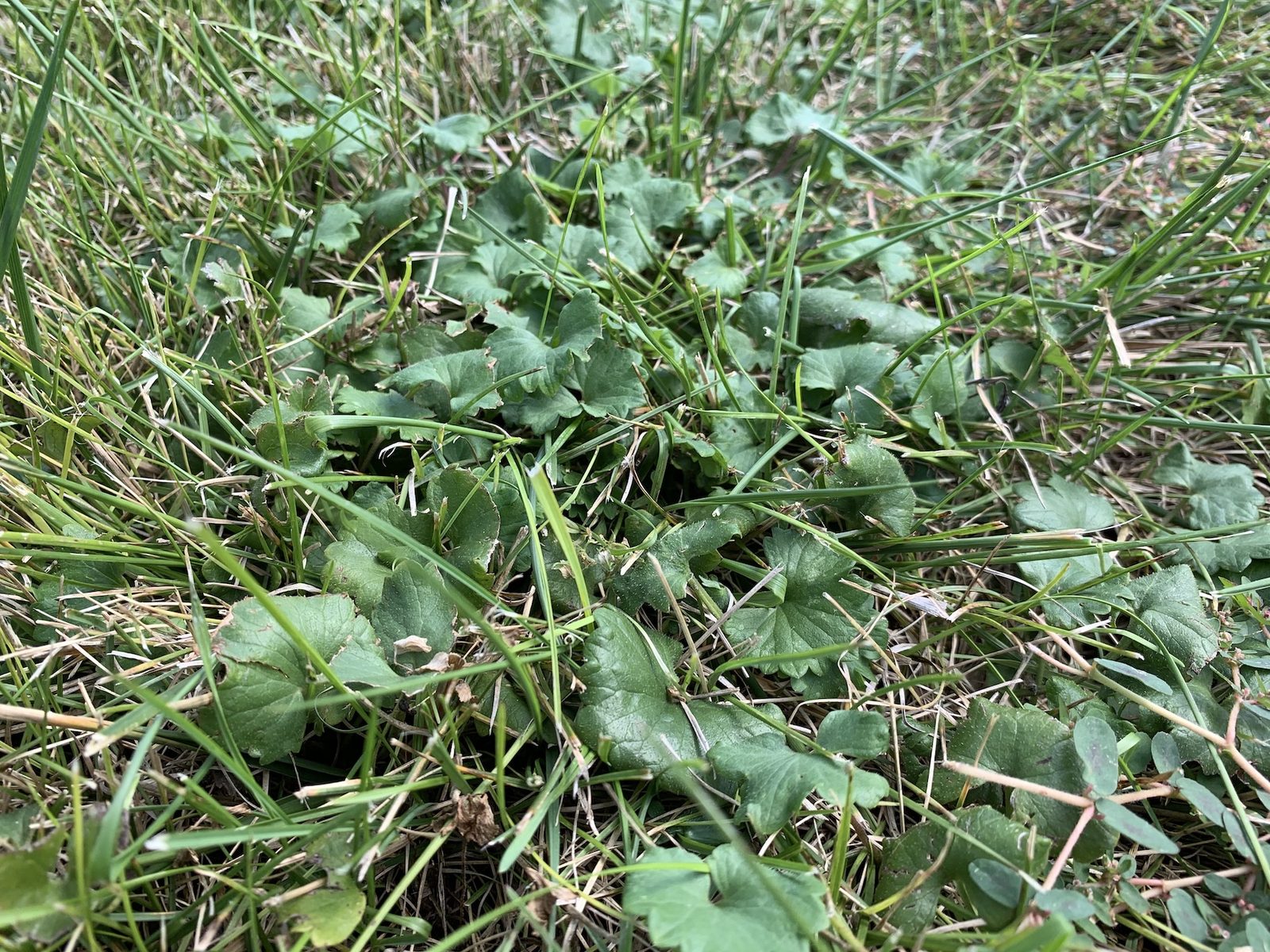
Weeds do not wait. As soil temperatures warm toward the mid-50s Fahrenheit, crabgrass, dandelion, clover, and other broadleaf weeds start moving fast, and crabgrass in particular has to be addressed before it germinates.
That is what makes timing rather than product the hard part. Pre-emergent herbicide works on seeds as they germinate, so it has to be in place beforehand, and in Wisconsin and Minnesota that window can land anywhere from March to May depending on the spring. We make two pre-emergent applications, early and late spring, because crabgrass germinates in waves and a single application can lose strength before the later flushes.
Two things worth knowing. First, mature weeds are much harder to control and compete aggressively for water, nutrients, light, and root space, so early treatment is both easier and more effective. Second, pre-emergent prevents desirable grass seed from establishing too, so you cannot seed and apply pre-emergent in the same area in the same window with consumer products.
The durable answer is density. A thick stand of turf shades the soil surface and denies weed seed the light and warmth it needs to germinate, which is why fertilization and weed control work together rather than separately.
Spring fertilizer builds summer strength
Fertilizer is not primarily a color treatment. A properly timed spring application strengthens root systems, improves density, supports recovery from winter stress, and raises drought tolerance going into the hottest part of the year. Color is a side effect of the plant having what it needs.
The caution is rate and timing. Pushing heavy nitrogen in late spring produces soft, fast top growth right as heat arrives, and soft growth is what heat stress and disease take first. Steady feeding with a slow-release granular product does more for July performance than a heavy spring flush.
Get the irrigation system ready before you need it
This is where a lot of spring work gets lost. Homeowners invest in fertilization, weed control, and overseeding, and then lose the progress in a dry August because the lawn is not getting consistent water. Hand watering with a hose rarely delivers enough, evenly, often enough to matter.
Spring is the time for activation and inspection. Freeze-thaw cycles damage heads, valves, lines, and fittings over the winter without any sign at the surface. A spring startup should find:
- Broken or sheared sprinkler heads
- Leaks in valves and lateral lines
- Poor coverage zones and blocked spray patterns
- Low pressure
- Controller problems and settings carried over from last August
- Frost-heaved heads now watering pavement
In this region activation runs from mid-April through the end of May, once the risk of a hard freeze has passed. Catching these problems at startup saves water and prevents the dry zones that show up as damage in July. See irrigation for what an activation visit covers.
The biggest watering mistake
Watering too shallow and too often. Light daily cycles keep roots in the top inch of soil, where they are the first thing to suffer when temperatures climb.
Water deeply and less frequently so roots grow down to where moisture lasts. Target about an inch a week including rainfall, and water early, finishing near sunrise. Midday watering loses a significant share to evaporation and wind drift. Evening and overnight watering leaves the canopy wet through the dark hours, which is the condition most lawn fungal diseases need to infect.
Do not wait for damage
By the time a lawn is thin, faded, or crisp in midsummer, recovery is slow and expensive, and the cool-season repair window is not until late August. Spring work is cheap by comparison, and it is what gives the lawn margin against summer drought, heat, foot traffic, weed pressure, insect activity, and disease.
RainMaster has worked on lawns across Wisconsin and Minnesota since 1999, with lawn care and irrigation handled together so the fertilizer and the water are not working against each other. Call 888-839-8484 or request a quote.

Bottom line
- Rake out matted grass, leaves, and snow mold once the lawn has dried, not while the soil is still thawing.
- Time crabgrass pre-emergent to soil temperature in the mid-50s Fahrenheit, which can mean March through May here. Two applications cover the germination waves.
- Pre-emergent also blocks grass seed, so do not seed and prevent crabgrass in the same window.
- Spring fertilizer should build roots and density, not push soft growth with heavy late-spring nitrogen.
- Activate and inspect the irrigation system between mid-April and the end of May, and water deeply and infrequently finishing at sunrise.
Frequently asked questions
When should I start spring lawn care in Wisconsin or Minnesota?
Once the lawn has dried enough to walk on without leaving footprints. Cleanup comes first, then pre-emergent timed to soil temperature in the mid-50s Fahrenheit, which can be anywhere from March to May depending on the spring.
Should I dethatch or power rake in the spring?
Generally no. A power rake on turf that is still weak and wet pulls out live grass. A light leaf raking to clear debris and loosen matted areas is what spring calls for; core aeration is better done in fall.
Can I seed bare spots in the spring?
You can, mid-May onward, but the seedlings will try to establish through summer heat, and you cannot apply crabgrass pre-emergent to those areas in the same window. Late August through mid-September is a better seeding window here.
When should the irrigation system be turned on?
Between mid-April and the end of May, once the risk of a hard freeze has passed. Have it inspected at the same time, since winter freeze-thaw damage to heads, valves, and lines usually shows no sign at the surface.
University of Wisconsin Extension, Crabgrass Management in Lawns.
University of Minnesota Extension, Fertilizing Lawns.